

Why Rising UK Hospitality Costs Matter to the One Percent
Behind the polished dining rooms and Michelin-starred addresses that define the fine wine and spirits ecosystem, a quiet financial pressure is building across the United Kingdom.
According to recent industry analysis, business rates for hospitality venues are on track to rise sharply. Average bills are projected to nearly double by 2029.
For Ultra High Net Worth Individuals, this shift may appear distant at first glance. Yet the implications reach far beyond balance sheets. They directly influence the restaurants, wine cellars, and private tasting rooms that shape elite lifestyle experiences.
A Structural Shift in the Hospitality Landscape
From April 2026, the removal of pandemic-era business rates relief will begin to reshape the operating realities of hospitality venues. Even with the government’s introduction of a lower permanent tax rate for certain properties, the net effect is expected to be significant cost escalation.
Industry forecasts suggest that the average hospitality venue could see its annual rates rise from roughly £21,000 today to more than £40,000 within three years. This increase is largely driven by higher rateable values following post-pandemic recovery and the recalibration of property assessments based on 2024 market conditions.
For venues operating at the pinnacle of fine wine and spirits, where inventory values often reach seven figures, these structural costs cannot be absorbed indefinitely without consequence.
Why the One Percent Should Pay Attention
Globally, Ultra High Net Worth Individuals now exceed 400,000, controlling an estimated 38 percent of global investable wealth. A growing share of this capital flows into experiential luxury, with fine wine and spirits playing a central role. Private dining, collectors’ tastings, and wine-focused travel are no longer just indulgences but cultural capital.
However, rising fixed costs across the hospitality ecosystem threaten to narrow the field. Smaller independent venues with exceptional wine programs may be forced to reduce ambition, alter pricing, or exit entirely. The result is a gradual consolidation of experiences, fewer distinctive addresses, and higher barriers to entry for innovation.
For the one percent, this translates into fewer authentic, deeply curated environments. It means a greater reliance on institutional luxury rather than character-driven hospitality.
Fine Wine and Spirits as a Strategic Anchor
As operational pressures increase, fine wine and spirits become even more central to a venue’s viability. High-margin wine lists, rare spirit allocations, and private cellar programs increasingly subsidize broader hospitality operations. This trend reinforces the importance of collectors and private clients who anchor long-term relationships.
Data from global luxury market studies shows that UHNW spending on fine wines and rare spirits has continued to rise even amid broader economic uncertainty. Collectible bottles and private allocations are outperforming many traditional luxury categories. This resilience positions the one percent as quiet stabilizers of the hospitality sector.
An Era of Fewer but More Meaningful Places
Industry leaders warn that unchecked cost inflation will accelerate closures and job losses across the UK hospitality landscape. For elite clientele, the risk is not the disappearance of luxury itself, but the erosion of diversity and soul within it.
The coming years are likely to favor venues that cultivate deep relationships with collectors, estates, and private clients. Those that treat fine wine and spirits not as accessories but as strategic pillars will endure.
For the one percent, awareness is influence. Supporting independent institutions and understanding the economics behind luxury experiences will increasingly define what remains truly exceptional. In a world where access is tightening and authenticity is fragile, fine wine and spirits are no longer just pleasures of taste. They are guardians of culture and the future of hospitality itself.
Share Now
LATEST
POPULAR
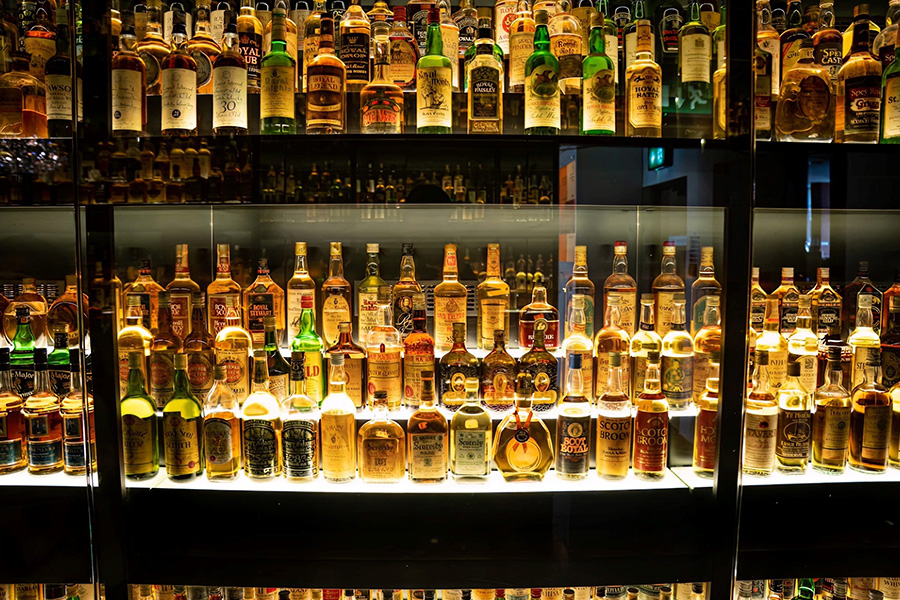
The latest trade data highlights the international influence of the UK's distilling expertise while reinforcing the long term appeal of collectible spirits for The 1%.
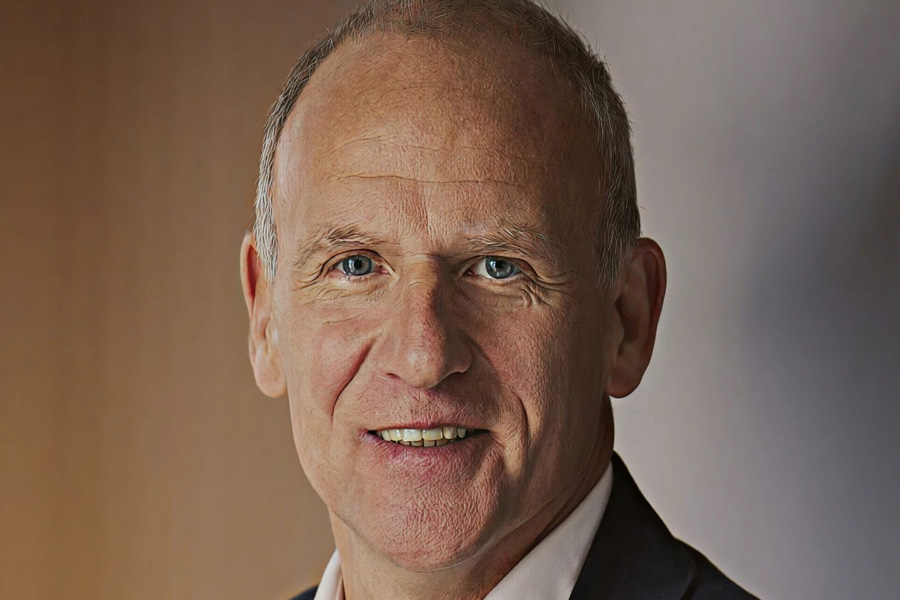
Diageo, among the world's most distinguished premium drinks companies, now enters a new chapter under the leadership of CEO Sir Dave Lewis.

The collaboration brings together the storied Maison and independent master watchmaker Denis . . .