

Hermès Beijing Flagship Reflects the Future Vision of Luxury Fashion Brands for the 1%
Luxury Fashion Brands continue to redefine the meaning of presence through architecture, culture, and experience. Hermès has unveiled its new global flagship in Beijing at Taikoo Li, marking a significant expression of its vision within one of the world’s most influential luxury markets.
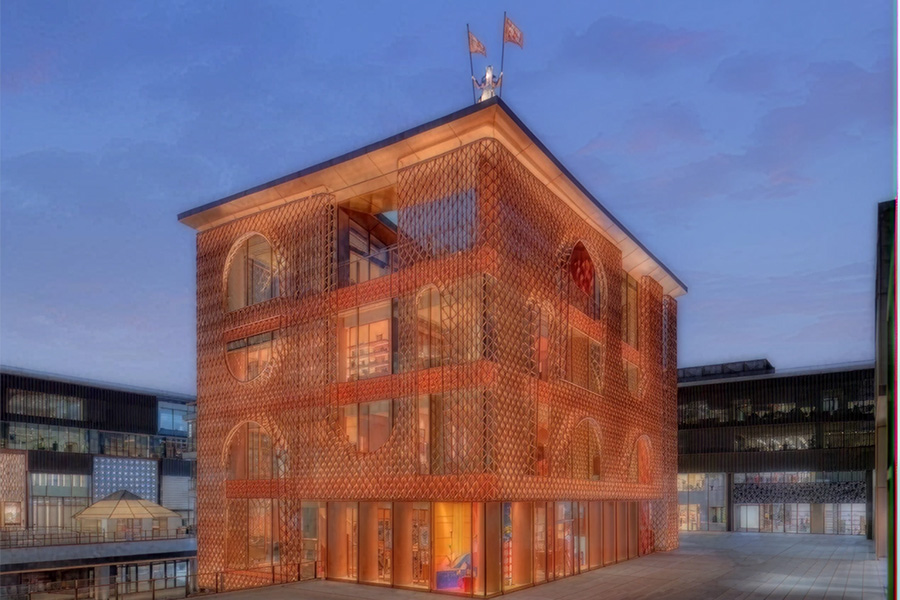
For the 1%, this space represents more than a boutique. It embodies a destination where heritage, artistry, and cultural dialogue converge.
A Landmark Designed for Cultural Resonance
Located in the Sanlitun district, the new Hermès flagship rises as a five-storey architectural statement. Designed by RDAI in collaboration with Mamou-Mani Architects, the structure is wrapped in rose-pink and terracotta ceramic tiles, creating a façade that filters light with elegance and rhythm.
The design draws inspiration from Beijing’s imperial heritage, echoing the curved forms and material richness associated with the Forbidden City. This connection between local culture and Parisian craftsmanship reflects a broader movement within Luxury Fashion Brands toward deeper cultural integration.
For Ultra High Net Worth Individuals, such spaces represent authenticity and meaning, where global brands engage respectfully with local identity.
An Immersive Journey Across Sixteen Métiers
The Beijing flagship integrates curated artworks and commissioned pieces that enrich the architectural narrative. Installations by Chinese artist Liu Jianhua introduce movement and light through suspended ceramic forms, creating a poetic dialogue between material and space.
Works from the Émile Hermès collection and contemporary photography archives reinforce the house’s artistic heritage. This fusion of art and fashion reflects a broader evolution within Luxury Fashion Brands, where cultural capital enhances brand identity.
For the 1%, collecting extends beyond objects into environments that carry artistic and intellectual significance.
Exclusive Creations for a Global Elite
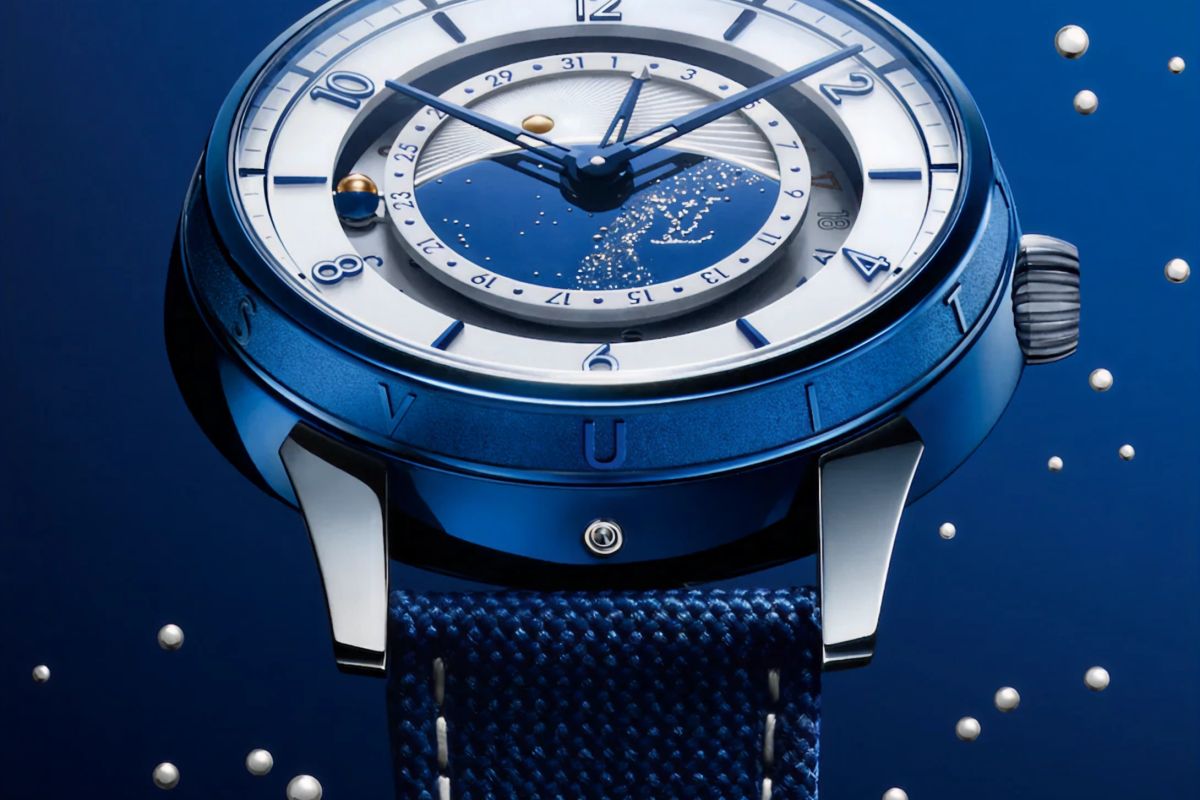
To mark the opening, Hermès has introduced a curated selection of exclusive objects, including bespoke luggage, unique timepieces, silk creations, and leather goods featuring the Parade en Fanfare motif by Chinese artist Tong Ren.
These limited pieces reflect the importance of rarity within the luxury ecosystem. Ultra High Net Worth Individuals consistently seek creations that offer uniqueness, craftsmanship, and narrative depth.
Global wealth data indicates continued expansion in the population of individuals holding more than thirty million dollars in assets, with strong growth across Asia. This segment drives demand for exclusive products and personalized experiences within Luxury Fashion Brands.
Beijing as a Strategic Luxury Capital
China remains a central pillar of the global luxury landscape, supported by rising wealth concentration and cultural influence. Cities such as Beijing and Shanghai serve as key hubs where international brands connect with a sophisticated clientele.
Reports indicate that more than three hundred million new luxury consumers will enter the global market within the next five years, while the number of high net worth individuals continues to grow steadily. Within this expansion, Ultra High Net Worth Individuals shape the direction of demand, particularly within fashion, art, and experiential luxury.
Luxury Fashion Brands invest in flagship destinations such as Taikoo Li to engage directly with this influential audience.
The Future of Luxury Fashion Brands
Hermès’ Beijing flagship illustrates the evolution of Luxury Fashion Brands into cultural institutions. Architecture, craftsmanship, art, and experience converge to create environments that resonate with the 1%.
For Ultra High Net Worth Individuals, luxury is defined by access to spaces that reflect identity, heritage, and creativity. It is expressed through environments that offer privacy, personalization, and cultural depth.
As global wealth continues to expand and new generations of collectors emerge, Luxury Fashion Brands will continue to design experiences that extend beyond products into fully realized worlds.
Within this context, Hermès in Beijing stands as a refined expression of how luxury is lived, experienced, and understood at the highest level.
Share Now
LATEST
POPULAR