

Louis Vuitton's Reimagined Harrods Boutique Elevates the Future of Luxury Fashion Brands
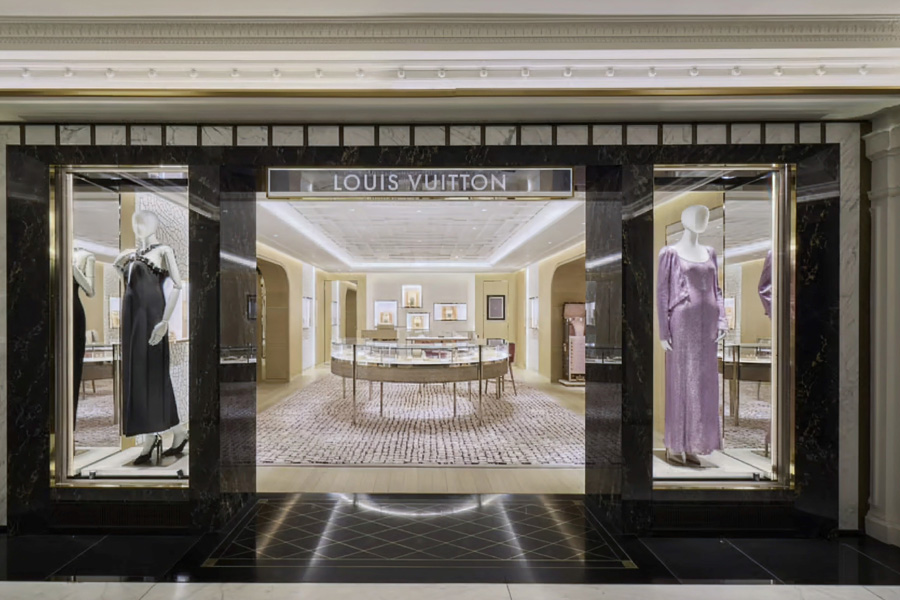
Luxury fashion brands continue to redefine the retail experience through environments that blend craftsmanship, culture, and exclusivity. Louis Vuitton’s newly transformed womenswear boutique at Harrods represents a sophisticated expression of this evolution, creating a destination designed for the world’s most discerning clientele.
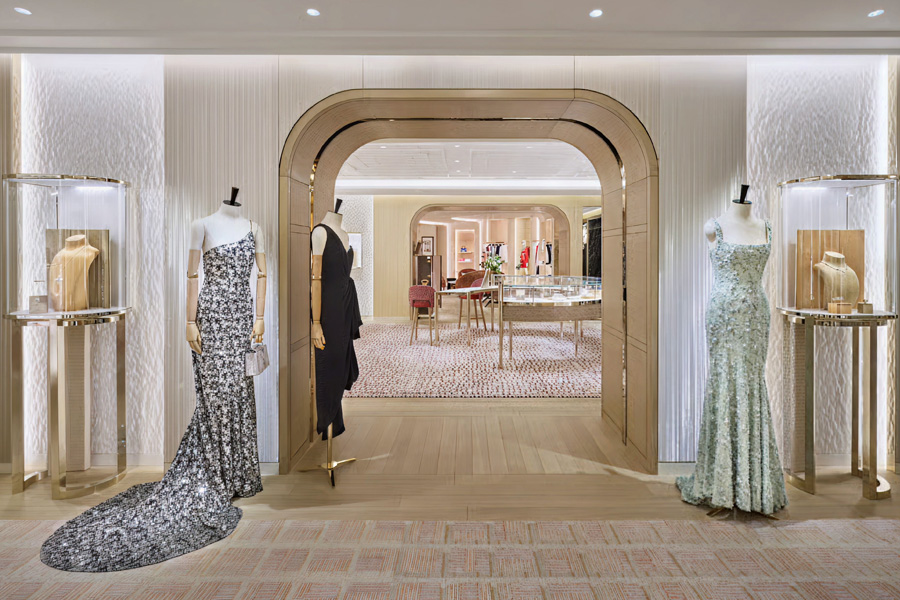
Located within Harrods’ renowned Superbrands floor, the redesigned boutique reflects the growing importance of immersive luxury environments where fashion, art, architecture, and personalized service converge.
For the 1%, luxury is no longer defined solely by acquisition. It is defined by experience, access, and the emotional connection created through exceptional spaces.
The New Era of Luxury Retail
The reopening of Louis Vuitton’s womenswear boutique reinforces the changing role of physical retail within the luxury sector. The boutique brings together the maison’s complete womenswear universe — including leather goods, ready-to-wear, footwear, accessories, watches, high jewelry, fragrance, and exclusive creations.
This integrated approach reflects broader trends shaping luxury fashion brands globally. According to industry forecasts, the global luxury fashion market is expected to approach $341 billion over the coming decade, supported by rising global wealth and continued expansion of Ultra High Net Worth Individuals.
Reports from Bain and Altagamma indicate that more than 300 million new luxury consumers are expected to enter the market within the next five years, while the global high net worth population is projected to increase significantly. Within this expanding landscape, the 1% continues to account for a substantial share of luxury spending, shaping the strategies of the world’s leading maisons.
Architecture as a Luxury Language
The new Louis Vuitton boutique has been conceived as a dialogue between the heritage of Harrods and the design codes of the French house.
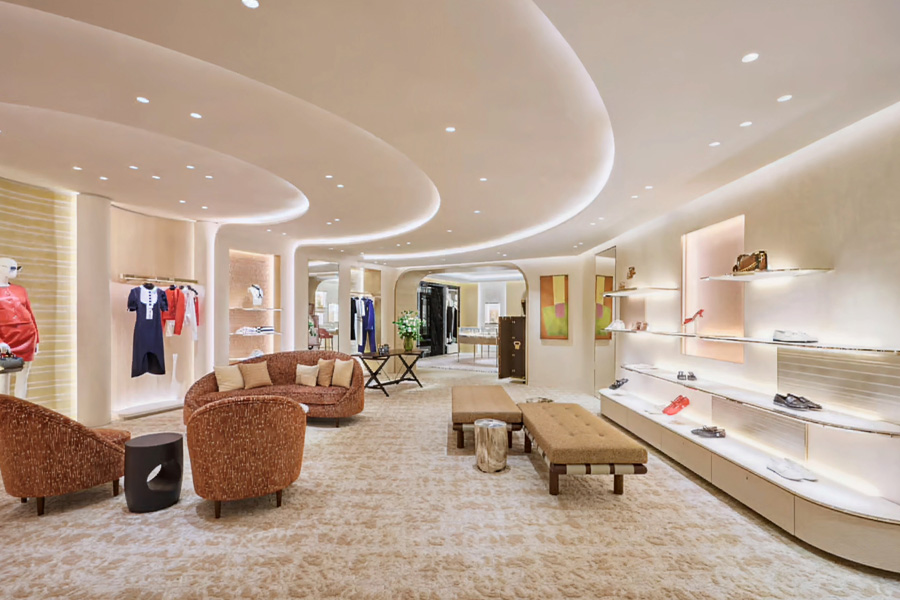
Edwardian influences meet Art Deco details throughout the space, creating an environment that feels both timeless and contemporary. Curved wooden portals, vaulted ceilings, textured walls, and bespoke furnishings establish a sense of intimacy and elegance that resonates with private clientele.
Luxury fashion brands increasingly use architecture as a storytelling medium. Every material, texture, and design element contributes to the brand narrative, transforming retail into a cultural experience.
For Ultra High Net Worth Individuals, such environments reflect a broader lifestyle where exceptional design extends across residences, yachts, private aviation, hospitality, and fashion.
Exclusivity Remains the Ultimate Luxury
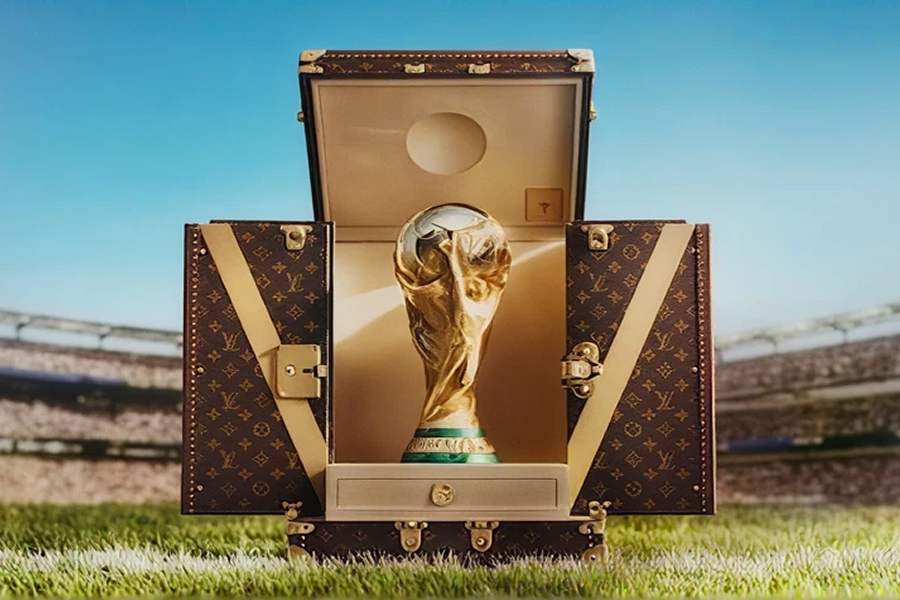
To celebrate the reopening, Louis Vuitton introduced several exclusive creations available only at Harrods. These include a special edition Capucines East West Mini bag crafted in pearl grey leather, unique hard-sided travel pieces, and exclusive interpretations inspired by London.
This focus on rarity aligns perfectly with the expectations of the 1%.
Global wealth intelligence continues to demonstrate that Ultra High Net Worth Individuals prioritize exclusivity, personalization, and limited availability. Luxury purchases increasingly function as expressions of individuality and cultural identity.
Luxury fashion brands respond by creating products and experiences available only to select audiences and locations, reinforcing desirability through scarcity and craftsmanship.
Art, Design, and Cultural Capital
Throughout the boutique, contemporary artworks sit alongside historical Louis Vuitton objects and collectible design pieces. Furniture by renowned designers and bespoke artistic commissions transform the space into a curated gallery environment.
This intersection between fashion and art reflects a defining trend within modern luxury. Collectors increasingly view fashion, design, art, and architecture as interconnected forms of cultural capital.
For the 1%, ownership extends beyond products into participation within a broader creative ecosystem.
Luxury fashion brands continue to embrace this philosophy, creating spaces that inspire discovery while reinforcing the cultural relevance of the maison.
Private Luxury Experiences
A defining feature of the new boutique is its series of private salons designed specifically for VIP clients.
These intimate environments allow Louis Vuitton to deliver highly personalized experiences — from private appointments and bespoke consultations to exclusive previews and special collections.
This emphasis on personalization reflects the evolving expectations of Ultra High Net Worth Individuals. Research consistently shows that affluent clients value access, discretion, and individualized service as much as the products themselves.
Luxury fashion brands increasingly invest in private client ecosystems designed to cultivate long-term relationships and deepen engagement with their most influential audiences.
The Future of Luxury Fashion Brands
The transformation of Louis Vuitton’s Harrods boutique reflects a broader evolution taking place across the luxury industry. Retail environments are becoming cultural destinations where architecture, art, hospitality, and fashion coexist seamlessly.
As the population of Ultra High Net Worth Individuals continues to expand globally, luxury fashion brands are refining their focus on exclusivity, personalization, and immersive experiences.
For the 1%, luxury is defined by environments that express taste, craftsmanship, and cultural sophistication. It is experienced through spaces that offer privacy, beauty, and a sense of belonging to a world that remains intentionally exceptional.
Louis Vuitton’s reimagined presence at Harrods stands as a powerful example of how luxury fashion brands continue to shape the future of luxury through creativity, design excellence, and an unwavering commitment to the art of experience.
Share Now
LATEST
POPULAR
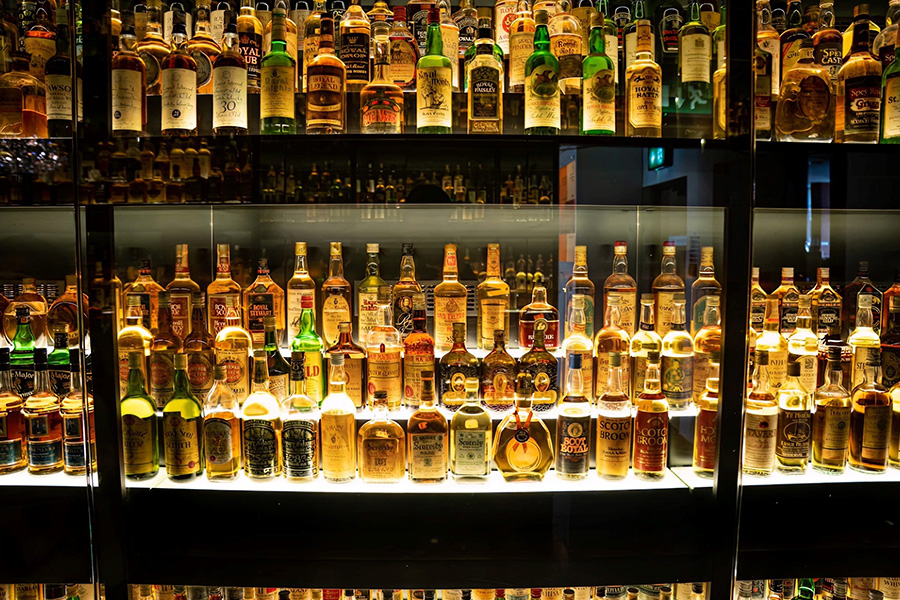
The latest trade data highlights the international influence of the UK's distilling expertise while reinforcing the long term appeal of collectible spirits for The 1%.
Diageo, among the world's most distinguished premium drinks companies, now enters a new chapter under the leadership of CEO Sir Dave Lewis.
The collaboration brings together the storied Maison and independent master watchmaker Denis . . .