

Prince Dimitri: The Pursuit of Beauty Beyond Time
An Exclusive Interview with The One Percent
Where history, craftsmanship, and artistry converge, Prince Dimitri has spent a lifetime creating jewellery that speaks not only through exceptional gemstones but through emotion, culture, and enduring beauty. In this exclusive conversation with The One Percent, he reflects on the philosophy that has shaped his remarkable career and shares why true luxury is ultimately defined by meaning rather than materiality.
About Prince Dimitri
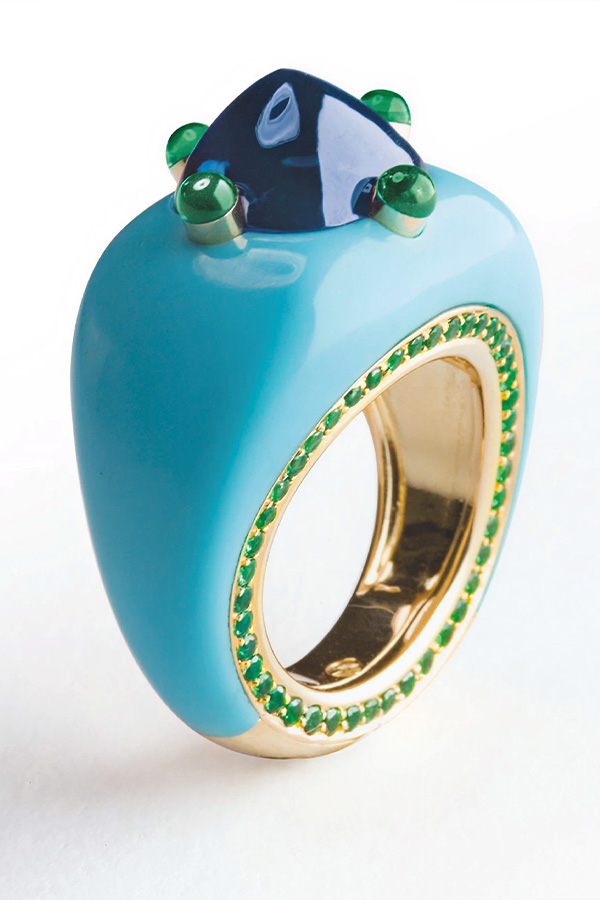
Prince Dimitri is a jewellery designer whose work explores the dialogue between beauty, history, music, and craftsmanship. Drawing inspiration from sources as varied as great art, architecture, nature, and the unexpected poetry of everyday life, he creates jewels that seek not merely to adorn, but to tell stories and awaken emotion.
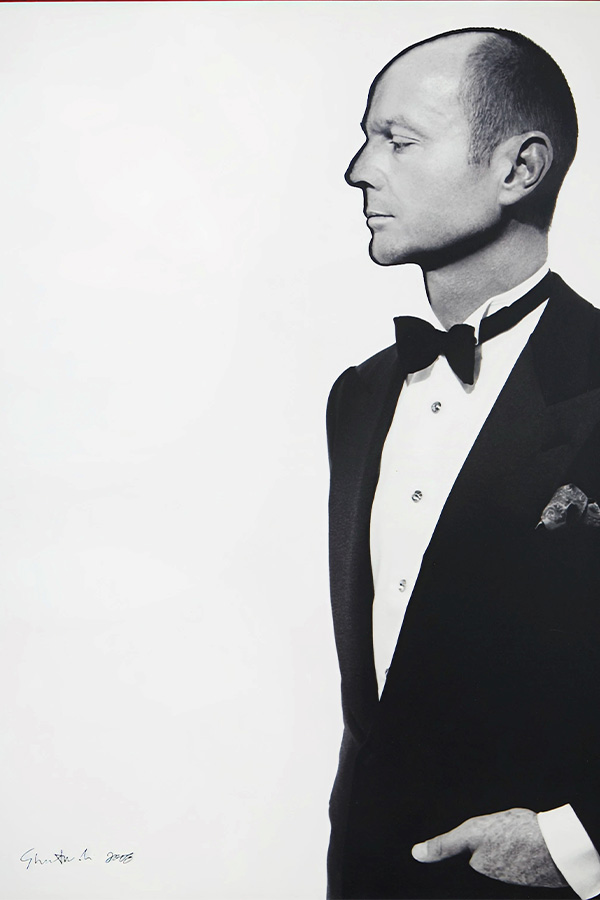
For seventeen years, Prince Dimitri was a jewellery expert at Sotheby’s in New York, where he developed a profound appreciation for the history of jewellery, exceptional gemstones, and the masterpieces created by the world’s greatest jewellers. He later worked with Assael, one of America’s foremost pearl houses, before establishing his own collections, which were presented by prestigious luxury retailers including Bergdorf Goodman, Neiman Marcus, and Saks Fifth Avenue.
His creations reinterpret historical themes through a contemporary lens, drawing inspiration from sources as diverse as eighteenth century girandoles, Byzantine art, the Knot of True Love of the House of Savoy, medieval craftsmanship, and the poetry of nature.
In 2020, Rizzoli New York published Once Upon a Diamond, celebrating the inspirations and stories behind his creations and his lifelong search for beauty.
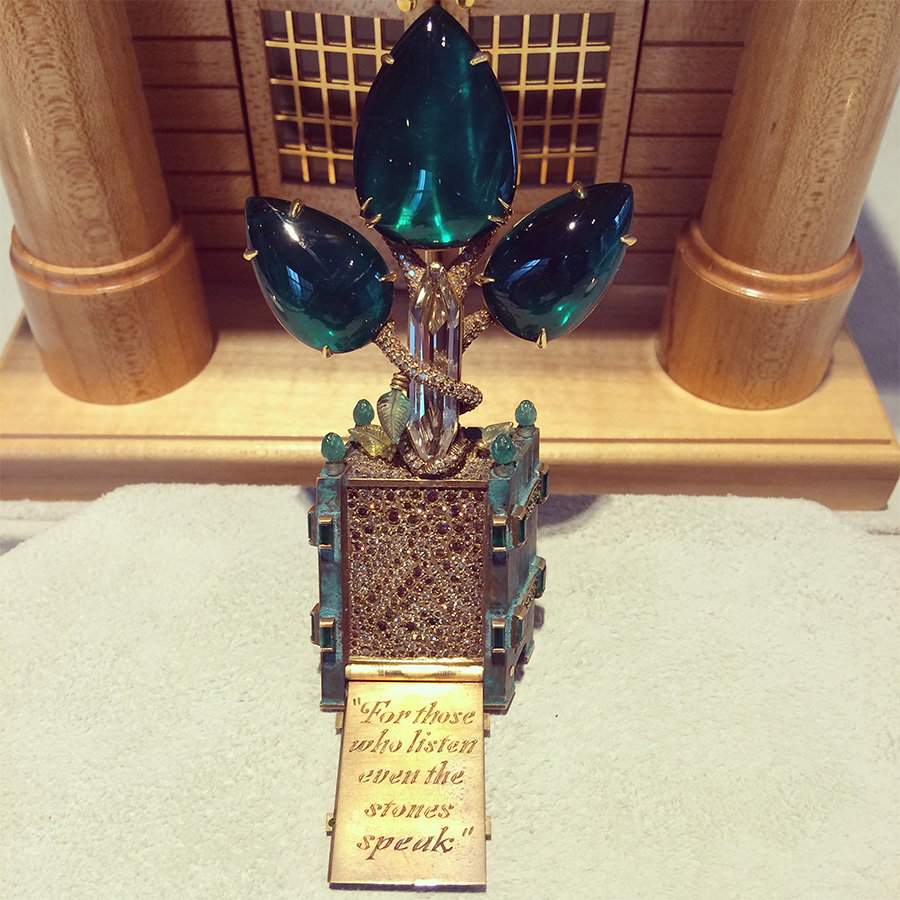
His artistic philosophy is perhaps best expressed in the words engraved on one of his emerald brooches:
“For those who listen, even the stones speak.”
Introduction
Few designers speak about jewellery in the language of philosophy, history, and human emotion quite like Prince Dimitri.
Throughout a distinguished career spanning scholarship, design, and philanthropy, he has championed a vision of luxury rooted in authenticity, craftsmanship, and timeless beauty. Rather than viewing jewellery as an object of adornment alone, he sees every creation as a work of art capable of carrying memories, preserving heritage, and connecting generations.
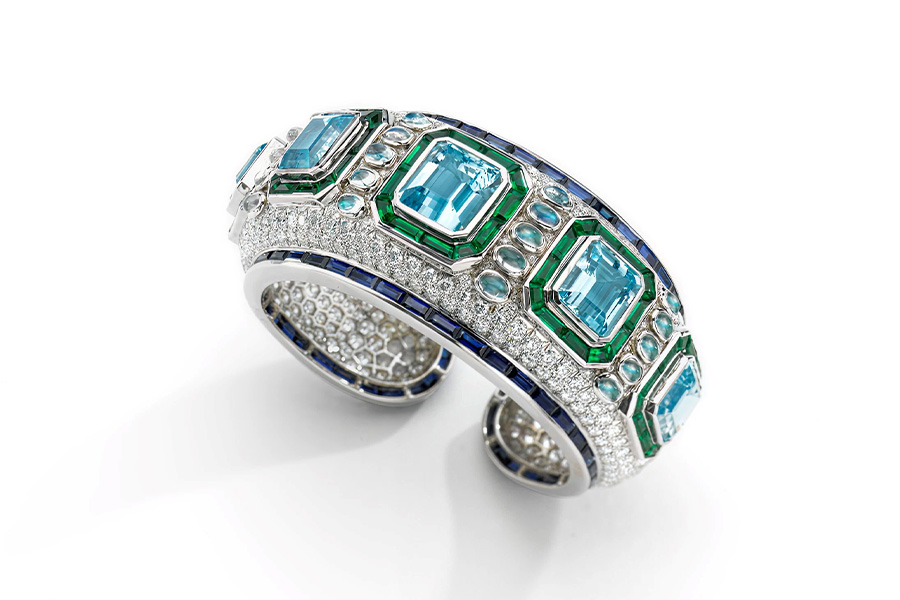
His perspective has been shaped by decades of studying some of the world’s most extraordinary jewels, first as a respected expert at Sotheby’s and later through his own creative practice. Today, his work continues to celebrate the enduring dialogue between the past and the present, drawing inspiration from art, architecture, music, nature, and the quiet beauty found in everyday life.
In an era where collectors increasingly seek purpose alongside rarity, Prince Dimitri offers a thoughtful reflection on what modern luxury truly represents.
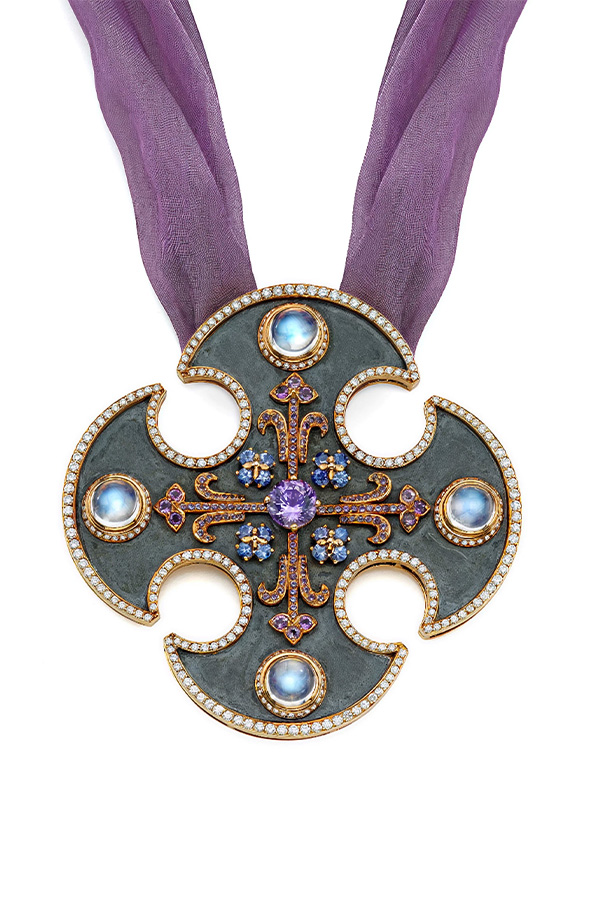
In this exclusive interview with The One Percent, he shares his philosophy on beauty, storytelling, craftsmanship, and the values that continue to define exceptional luxury across generations.
1. Throughout your career, you have worked across jewelry, design, heritage, and philanthropy. How have these experiences shaped your personal vision of modern luxury?
Looking back, I realize that everything I have done has been guided by a single search: the search for beauty.
Not only physical beauty, which delights the eye, but emotional beauty, which touches the heart, and spiritual beauty, which quietly elevates the soul.
As a child, I was fascinated by art, architecture, history, music, and nature. Over the years I discovered that they were all different expressions of the same universal language. My life as a jewelry designer has simply become another way of speaking that language.
There is a beautiful French saying, often attributed to Baudelaire:
“Les fleurs sont les gemmes du monde végétal, les gemmes sont les fleurs du monde minéral.”
Flowers are the jewels of the vegetal kingdom, and gemstones are the flowers of the mineral kingdom. I have always loved that image because it reminds us that beauty exists everywhere in creation. The jeweler’s role is not to invent beauty, but to reveal it.
I have never fallen in love with gemstones alone. I fall in love with ideas, feelings, and sensations, often inspired by great music. Sometimes, however, it is a remarkable gemstone that begins the journey. Inspiration has no hierarchy. It may arrive while listening to music, contemplating an eighteenth-century masterpiece, admiring the architecture of a cathedral—or while noticing the simplest everyday object.
I remember designing an ebony and diamond necklace inspired by the adornments of the Maasai warriors. The solution came not from another jewel, but from a square wastepaper basket covered with iron nails securing small metal discs. Suddenly I saw the entire necklace. The nails became diamond settings; the metal discs became 24-karat gold discs floating lightly above the ebony, free to tremble and shimmer with every movement. In an instant, an ordinary object had revealed an extraordinary possibility.
That experience confirmed something I have believed for many years, and which I later engraved on one of my emerald brooches:
“For those who listen, even the stones speak.”
Inspiration surrounds us constantly. A Beethoven andante, the architecture of a cathedral, the curve of a flower, an eighteenth-century jewel, or the humblest everyday object may suddenly reveal an idea. The artist’s gift is not simply to invent, but to recognize—to perceive beauty and possibility where others see only the ordinary.
When I design a jewel, I am not trying to recreate history. I am continuing a conversation that began centuries ago. Inspiration may come from an eighteenth-century girandole, a Byzantine cross, the Knot of True Love of the House of Savoy, or the delicate geometry of a flower. The past gives us a magnificent vocabulary; our responsibility is to speak it in a contemporary voice.
I have long believed that jewelry is the most intimate of all the arts. A painting hangs on a wall. A sculpture stands upon a pedestal. A jewel accompanies us through life. It celebrates love, marks milestones, comforts us in moments of sorrow, and is eventually entrusted to another generation, carrying not only precious stones but precious memories.
Philanthropy has reinforced another conviction: beauty reaches its highest purpose when it serves others, preserves culture, or inspires hope.
For me, modern luxury is the meeting point of beauty, craftsmanship, culture, generosity, and meaning. Ultimately, I believe luxury is not only the pursuit of rarity, but the pursuit of beauty—in all its forms.
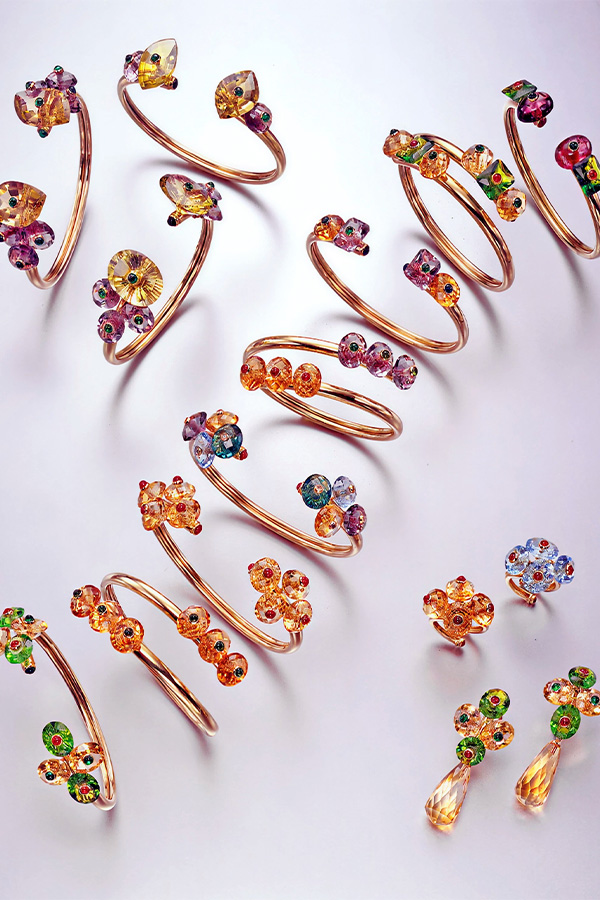
2. Luxury is evolving rapidly around the world. In your opinion, what values remain timeless regardless of changing trends?
Everything changes except what is essential.
Elegance never becomes obsolete. Integrity never goes out of fashion. Genuine craftsmanship never loses its value.
The greatest luxury houses endure because they remain faithful to themselves. Fashion belongs to a season; style belongs to a lifetime.
Today’s clients are remarkably knowledgeable. They recognize sincerity. They appreciate the human hand behind an object, the years required to master a craft, and the authenticity of a creative vision. Those values are timeless because they are profoundly human.
3. Today's affluent audiences increasingly seek purpose, authenticity, and meaningful experiences. How do you see this influencing the future of luxury brands?
I believe people are no longer searching merely for possessions. They are searching for meaning.
They want to know who created an object, what inspired it, whose hands brought it to life, and why it deserves to exist.
This represents a wonderful opportunity for luxury brands. Instead of speaking only about exclusivity, they can once again speak about imagination, craftsmanship, culture, and emotion.
Objects become unforgettable when they become personal.
4. Storytelling has become one of the defining elements of modern luxury. What role do history, culture, and personal legacy play in creating emotional connections with discerning audiences?
Stories give objects their soul.
History is not a museum to be copied. It is a living source of inspiration. Every generation has the privilege of adding its own chapter.
Many of my creations draw inspiration from history because history preserves symbols that continue to speak across centuries—love, faith, courage, hope, and beauty. Those values never lose their relevance.
When someone wears a jewel inspired by the past yet created for today, they are not wearing history. They are carrying a story forward.
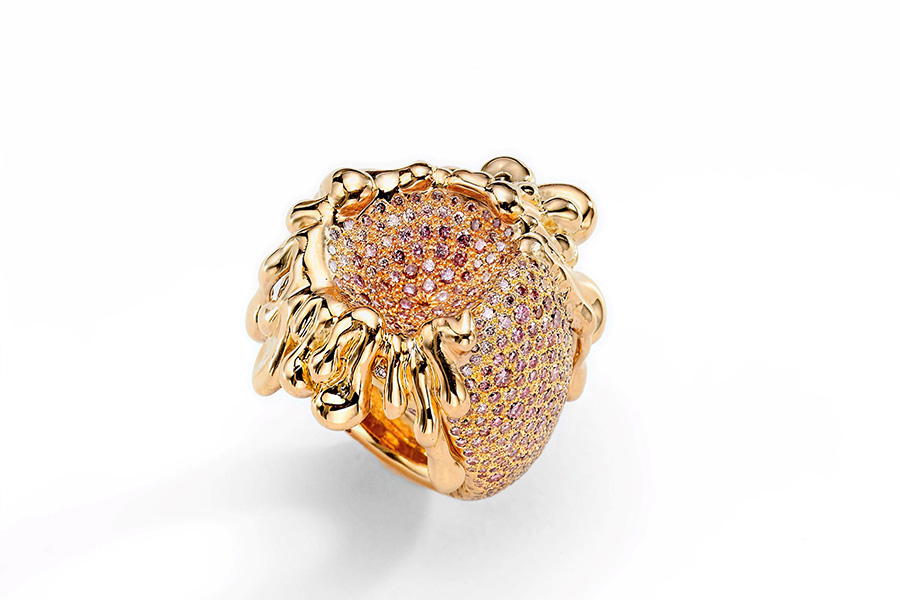
5. As someone who has collaborated with some of the world's most respected luxury houses, what qualities distinguish truly exceptional brands from those that simply offer premium products?
My years as a jewelry expert at Sotheby’s, my experience with Assael, and the privilege of seeing my collections presented by distinguished luxury retailers such as Bergdorf Goodman, Neiman Marcus, and Saks Fifth Avenue have taught me that truly exceptional brands share certain qualities.
They possess humility before beauty. They understand that excellence is built patiently, detail by detail, year after year. They never confuse visibility with significance or rarity with greatness.
Premium products satisfy desire.
Exceptional brands create trust, affection, and lasting memories.
People eventually forget what something cost. They rarely forget how it made them feel.
6. Looking ahead, how do you see the luxury industry evolving over the next decade, and what opportunities excite you the most?
Paradoxically, I believe that the more digital our world becomes, the more we will value what bears the unmistakable touch of human hands.
Technology will continue to transform how we communicate, discover, and create. Yet it will never replace sensitivity, intuition, culture, or the quiet imperfections that reveal the presence of an artisan.
This gives me great optimism.
I believe the future belongs to those who combine innovation with humanity, technology with craftsmanship, and modernity with memory.
7. Finally, what does modern luxury personally mean to you today?
Dostoevsky wrote, “Beauty will save the world.” Whether one understands those words literally or poetically, I have always found profound truth in them.
Beauty has the power to elevate us. It invites us to pause, to reflect, to dream, and sometimes even to become better versions of ourselves.
To me, modern luxury is having the freedom to choose beauty over excess, craftsmanship over speed, authenticity over spectacle, and timelessness over novelty.
Perhaps that is why I have devoted my life to jewelry. Of all the arts, it is the one that remains closest to the human heart. It accompanies us through life, celebrates our happiest moments, comforts us in times of sorrow, and quietly becomes part of our family’s history.
I have never created jewels to follow fashion. Fashion is fleeting; beauty endures. I create them in the hope that, long after I am gone, someone will still look at them and feel that they possess both beauty and a soul.
If my work has any purpose, it is simply this: to bring a little more beauty into the world—beauty that delights the eye, enriches the heart, and perhaps, in some small way, nourishes the soul.
Share Now
LATEST
POPULAR