

Luxury Fashion Brands Enter a New Era as Global Luxury Consumption Accelerates Toward 2029
Luxury fashion brands are entering one of the most significant transformations in decades.
While the global luxury industry is returning to sustained growth, the most important evolution is not simply financial. It is the emergence of a new luxury consumer, one who values craftsmanship, wellbeing, technology, and timeless design above traditional status symbols.
According to the latest True Luxury Global Consumer Insights report from Boston Consulting Group and Altagamma, global luxury consumption is expected to grow between 4 percent and 7 percent by 2029. The findings illustrate how the future of luxury will be increasingly shaped by the world’s highest spending clients, and by brands capable of delivering exceptional experiences rather than products alone.
For the 1%, luxury continues to evolve into a lifestyle defined by authenticity, personalization, and enduring value.
Ultra High Net Worth Individuals Continue to Shape Luxury Growth
One of the report’s most important findings is the growing influence of the industry’s highest spending consumers.
Clients spending more than €50,000 annually on luxury goods and experiences have become the sector’s most consistent growth engine. Their average annual expenditure now reaches approximately €420,000, while their contribution to industry revenues has increased from 14 percent to 24 percent over the past decade.
This reflects a broader wealth trend seen across global markets.
Knight Frank’s Wealth Report projects continued expansion in the global population of Ultra High Net Worth Individuals, while Bain and Altagamma estimate that more than 300 million new luxury consumers will enter the market within the next five years.
Although the luxury client base continues to broaden, the 1% remains the audience that defines aspiration, innovation, and long-term brand value.
Luxury Fashion Brands Shift Toward Long Term Relationships
The structure of the luxury market is changing.
The share of aspirational consumers is expected to decline significantly as luxury fashion brands increasingly prioritize loyal, long-term relationships with established luxury clients.
Similarly, one-time purchases are becoming less central to brand strategy as maisons focus on client retention, private services, bespoke experiences, and personalized engagement.
For Ultra High Net Worth Individuals, this evolution feels natural.
Luxury has always been built upon relationships, trust, and continuity rather than transactional purchasing.
Private appointments, invitation-only events, exclusive collections, and tailored services continue to strengthen these long-term connections.
Lifestyle Luxury Becomes the New Standard
Another major transformation involves the definition of luxury itself.
Traditional fashion and accessories remain essential, yet consumers are increasingly investing across broader lifestyle categories including travel, hospitality, wellness, longevity, fine dining, interior design, and exclusive experiences.
Luxury fashion brands are responding by extending their creative vision beyond clothing into complete lifestyle ecosystems.
For the 1%, luxury is experienced across every aspect of daily life, from private aviation and yachting to residences, health optimization, and cultural experiences.
This integrated approach continues to redefine what modern luxury represents.
Timeless Design Replaces Visible Status
Consumer priorities continue to evolve.
The report highlights that quality, exceptional design, and timeless craftsmanship now rank among the strongest drivers of purchasing decisions across every luxury category.
Visible logos and overt status signaling have become considerably less influential.
This shift aligns with the growing appreciation for quiet luxury, understated elegance, and discreet sophistication that has increasingly defined the preferences of affluent consumers over recent years.
Luxury fashion brands are responding by emphasizing artisanal excellence, heritage, and lasting value rather than seasonal visibility.
For Ultra High Net Worth Individuals, true luxury has always been recognized by quality rather than prominence.
Creative Vision Continues to Influence the Luxury Industry
Creative leadership remains an important factor, particularly among the highest spending consumers.
The report shows that many affluent clients actively follow creative directors and view their artistic vision as an essential component of a brand’s identity.
Collections increasingly serve as cultural expressions that reinforce heritage while introducing new interpretations of luxury craftsmanship.
Luxury fashion brands continue to invest in creative excellence because exceptional design remains one of the industry’s most powerful competitive advantages.
For the 1%, creative direction often represents the emotional connection that transforms products into collectible works of design.
Artificial Intelligence Enters the Luxury Journey
Technology is becoming an increasingly important part of luxury consumption.
The report reveals that artificial intelligence is now widely used throughout the purchasing journey, with consumers relying on AI for product discovery, recommendations, travel planning, and luxury research.
Luxury watches, leather goods, travel, and hospitality rank among the most frequently researched categories.
Consumers also demonstrate growing confidence in AI-generated recommendations, placing them alongside traditional search platforms as trusted sources of information.
Luxury fashion brands are responding by integrating artificial intelligence into clienteling, personalized shopping, after-sales service, and product development, while maintaining the human relationships that remain central to luxury.
For Ultra High Net Worth Individuals, technology enhances convenience while preserving exclusivity.
Domestic Luxury Continues to Expand
The report also highlights a structural shift toward domestic luxury purchasing.
Consumers are increasingly shopping within their own markets while expecting the same level of exclusivity and service traditionally associated with international luxury destinations.
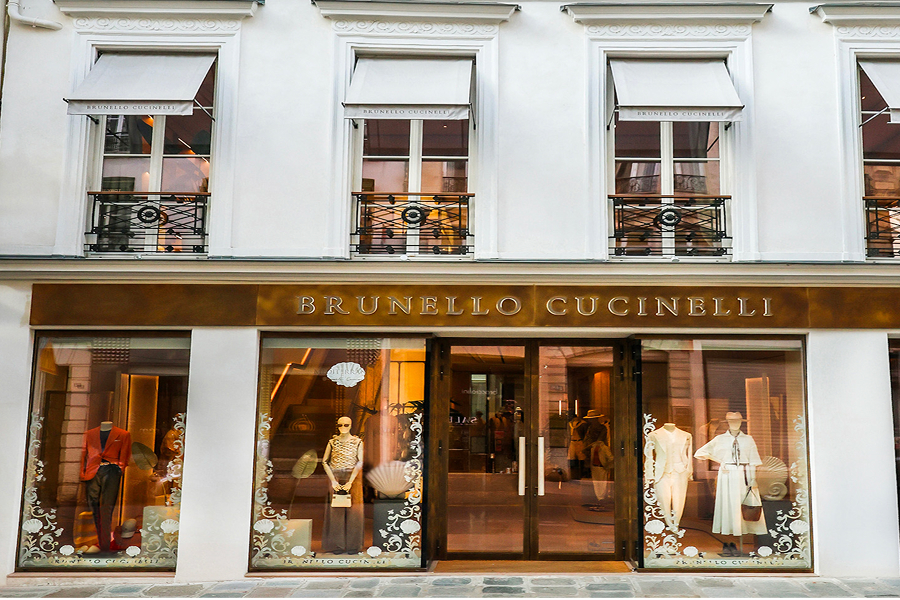
Luxury fashion brands continue investing in flagship boutiques, private salons, immersive retail concepts, and localized client experiences that reflect regional culture while maintaining global standards.
This strategy enables maisons to deepen relationships with their most loyal clientele, regardless of geography.
The Future of Luxury Fashion Brands
The next chapter of the luxury industry will be defined by enduring craftsmanship, deeper client relationships, technological innovation, and meaningful experiences.
As global luxury consumption continues to expand through 2029, the brands that succeed will be those capable of balancing heritage with innovation while remaining focused on authenticity, creativity, and exceptional service.
For the 1%, luxury has never been about excess.
It is about timeless craftsmanship, cultural relevance, personalized experiences, and objects designed to endure across generations.
Luxury fashion brands that continue to embody these values will remain at the center of global luxury for decades to come.
Share Now
LATEST
POPULAR
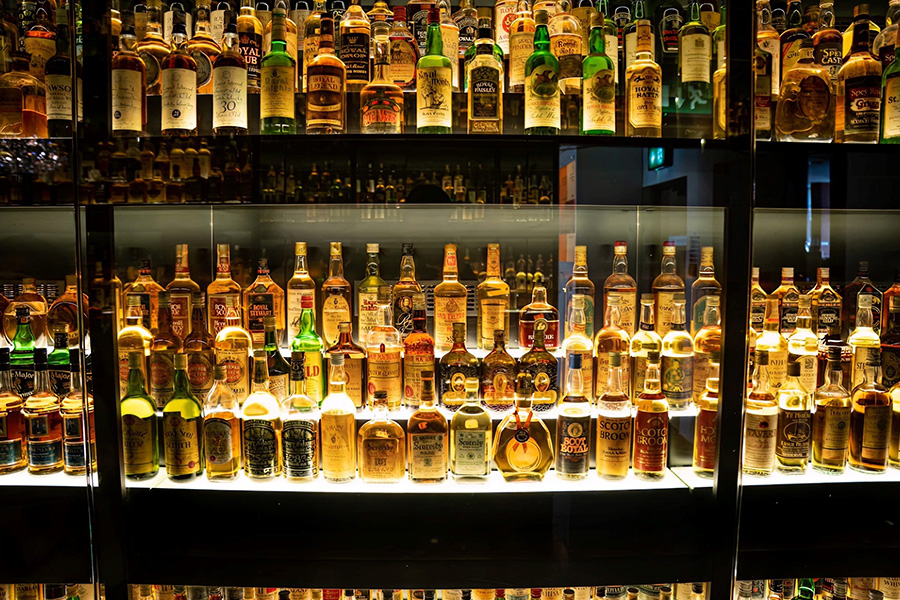
The latest trade data highlights the international influence of the UK's distilling expertise while reinforcing the long term appeal of collectible spirits for The 1%.
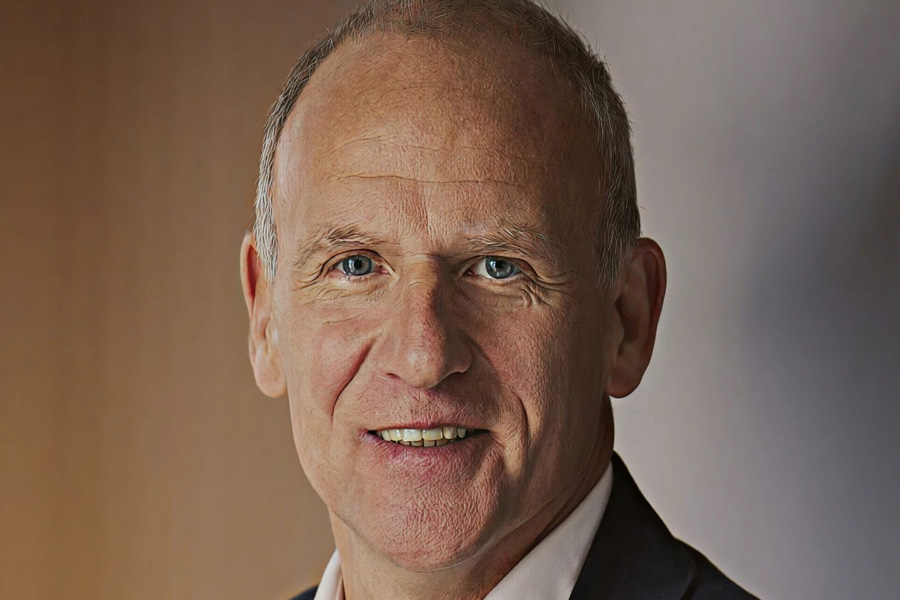
Diageo, among the world's most distinguished premium drinks companies, now enters a new chapter under the leadership of CEO Sir Dave Lewis.
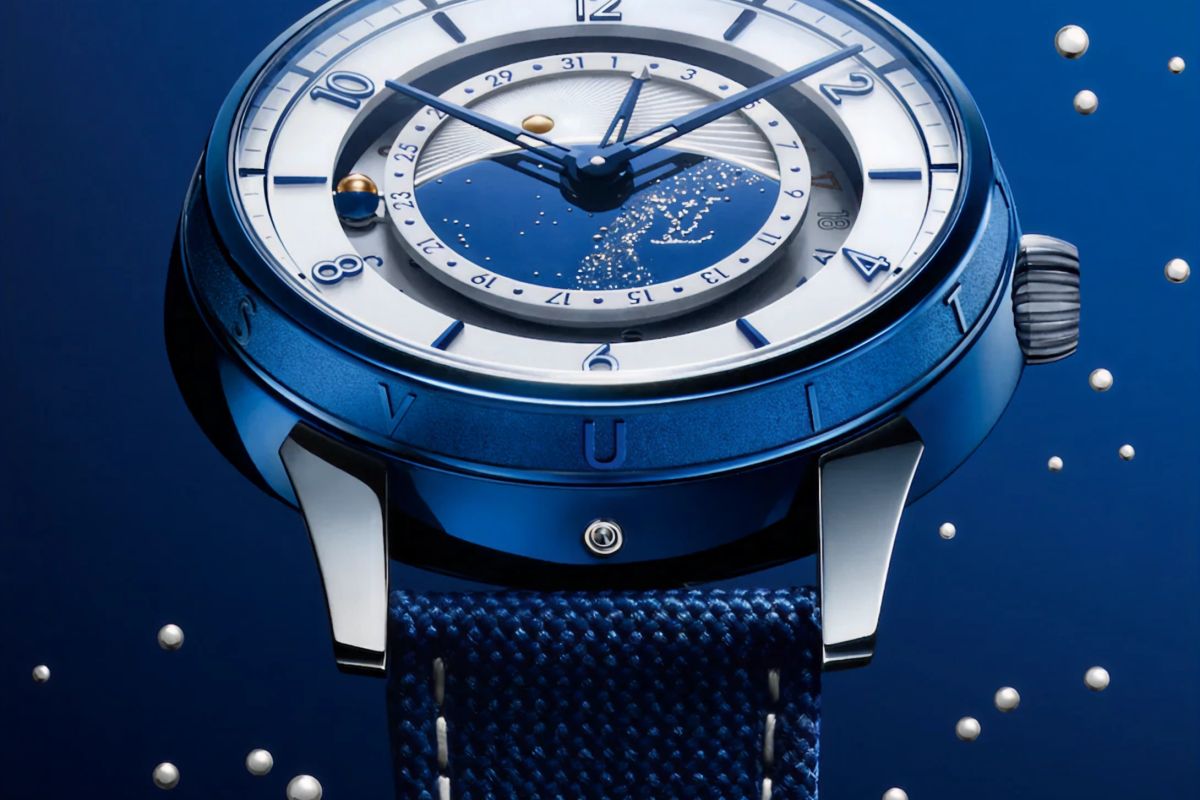
The collaboration brings together the storied Maison and independent master watchmaker Denis . . .