

Branded Residences : Redefining the Global Real Estate Market for The 1%
Luxury fashion has transcended traditional boundaries, moving beyond wardrobes into the worlds of architecture and real estate. Across global hubs like Dubai, Miami, Abu Dhabi, and more, internationally renowned fashion houses are reimagining residential spaces.
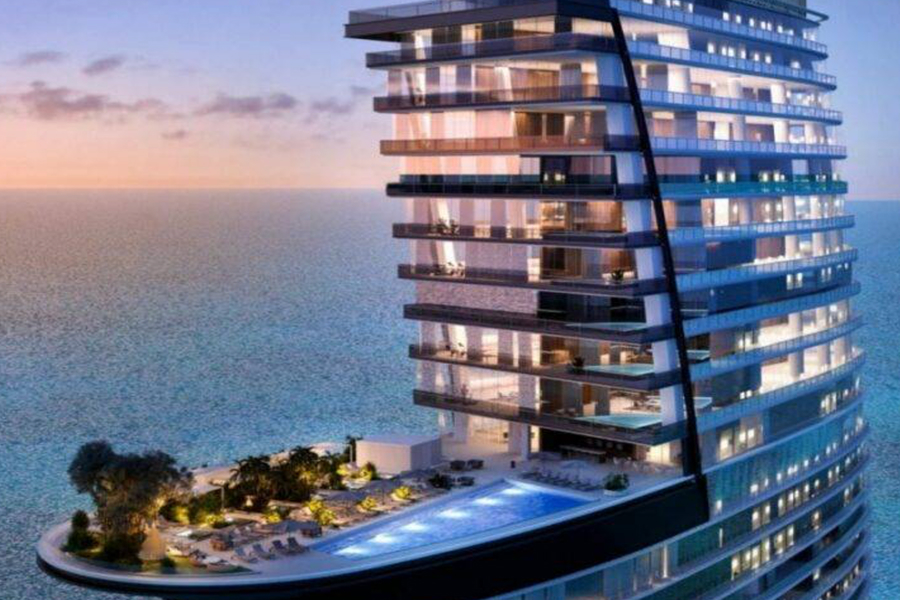
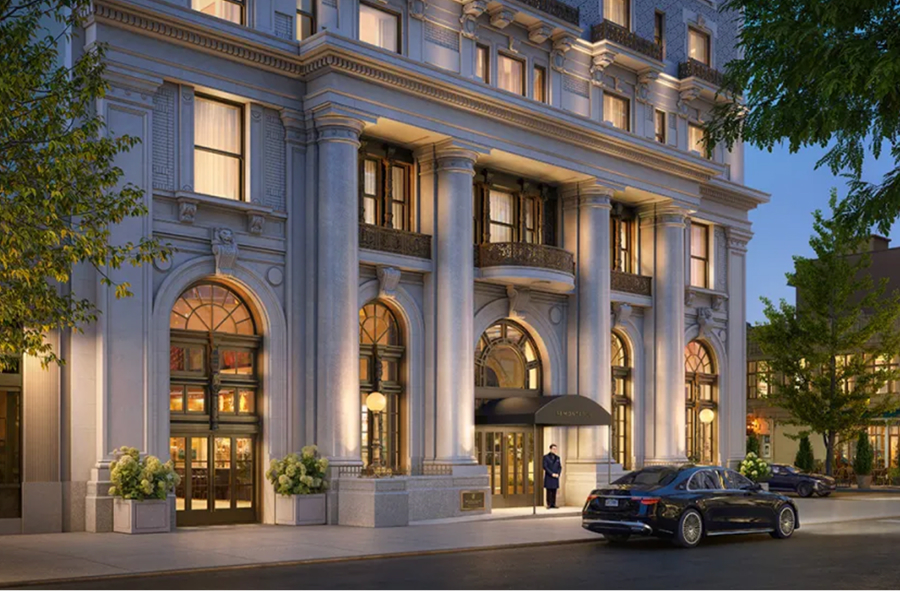
Versace, Armani, Fendi, Bulgari, Dolce & Gabbana, Missoni, and Maison Margiela are leading this transformation, creating homes that allow owners to inhabit the aesthetic identity of a brand. These branded residences represent a powerful intersection of luxury, private wealth, and real estate, merging craftsmanship and exclusivity into physical spaces.
For the world’s wealthiest—the elusive 1%—the appeal extends beyond a celebrated name. These properties offer a harmonious blend of architecture, design, superior hospitality, privacy, and cultural identity, all within a single residence. As Ultra High Net Worth Individuals (UHNWIs) increasingly divide their time among international properties, branded residences elevate homeownership into an integral part of a larger luxury experience.
A Decade of Explosive Growth
The meteoric rise of branded residences underscores their impact on the luxury real estate market. In 2010, there were approximately 100 branded residential developments globally; today, more than 900 projects are either completed or in planning stages—a nearly tenfold increase in just fifteen years. This growth captures the evolution of the segment from a niche concept to a defining force within prime real estate markets.
Hospitality brands like Four Seasons, Ritz Carlton, and Mandarin Oriental laid the groundwork for this category, embedding residential units with the high standards of their hotel experiences. However, fashion houses have taken this concept to the next level—crafting distinctive environments that permanently embody their design codes. These residences often command premiums of 30% or more over comparable luxury properties, proving their potency as status symbols and investments.
The Wealth Propelling Demand
Armani: A Pioneer in Fashion Architecture
As one of the trailblazers, Armani recognized the untapped potential of branded residential developments. Its partnership with Emaar led to the creation of Armani Hotel Dubai and 144 private residences furnished by Armani Casa within the iconic Burj Khalifa. These homes embodied Giorgio Armani’s signature aesthetic of understated elegance and sophistication.
This landmark project achieved prices of approximately $2,500 per square foot, reinforcing the economic clout of a high-profile brand. Armani later expanded this concept to Florida with The Residences by Armani Casa in Sunny Isles Beach. Designed by architect César Pelli, the oceanfront development comprised 308 units—a seamless blend of architecture and the Armani interior design philosophy. These ventures set the stage for today’s branded real estate landscape.
Distinctive Worlds by Versace, Fendi, and Bulgari
Other luxury fashion houses have each approached real estate through their unique creative identities. Versace, known for its bold Italian heritage, brought its Medusa iconography to Palazzo Versace and other Dubai developments. The brand’s intricate mosaics and elaborate decorative elements transform architecture into an embodiment of its opulent ethos.
Fendi entered the Miami market with Fendi Château Residences in Surfside—a boutique waterfront development comprising 58 exclusive homes with custom Fendi Casa furnishings. This project married intimate residential scale with access to Miami’s premier coastal lifestyle.
Bulgari, famous for its legendary approach to jewelry, has extended its lifestyle universe into architectural and hospitality domains. Its developments, such as the Bulgari residences on Dubai’s Jumeirah Bay Island, fuse luxury accommodations with iconic brand codes, creating spaces that resonate deeply with contemporary wealth holders.
For the 1%, these residences provide more than spectacular living spaces—they offer a sense of belonging to a curated lifestyle that aligns with their personal and cultural identities.
Miami: A Global Laboratory for Luxury Living
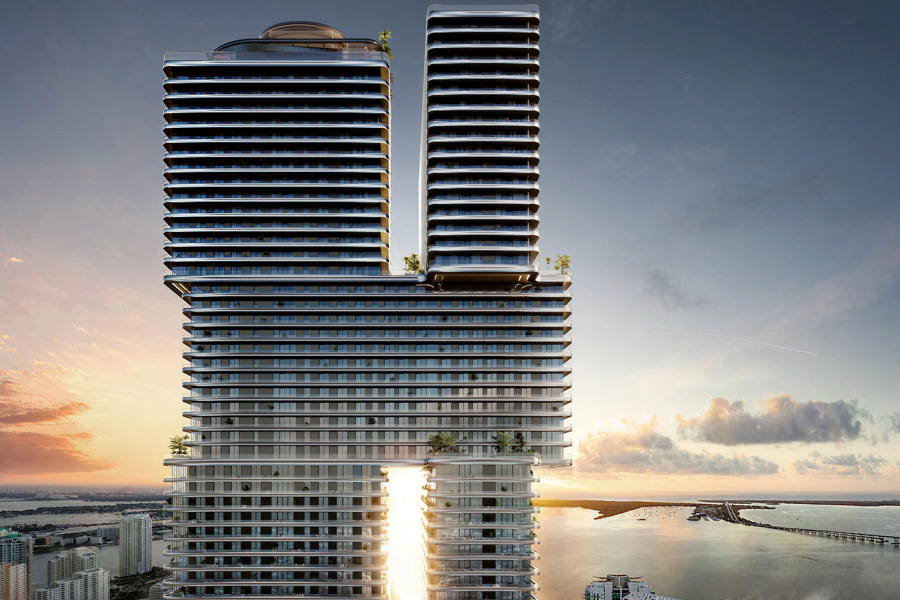
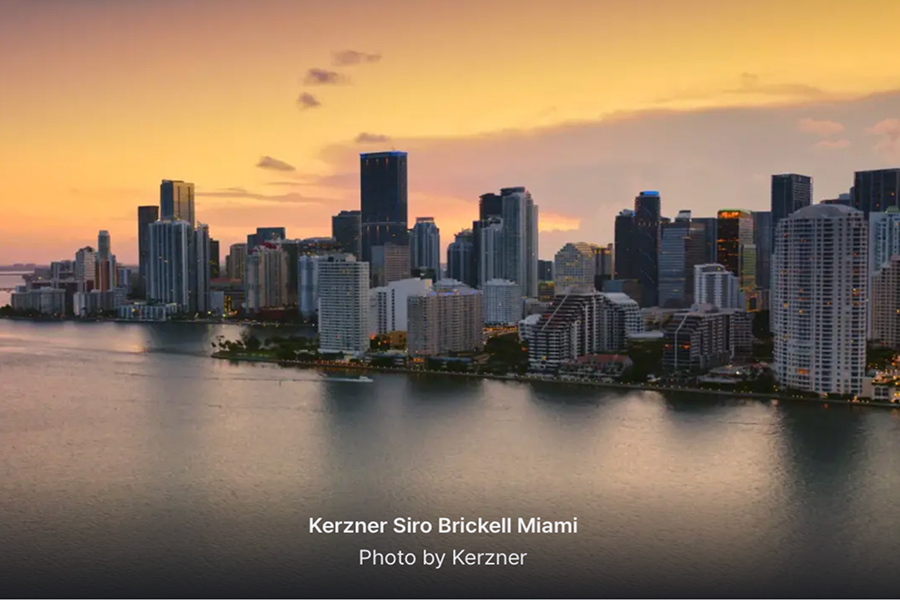
Miami has emerged as a key market for fashion-branded residences, thriving on its amalgamation of international wealth, waterfront scenery, cutting-edge architecture, and luxury culture. Projects like Missoni Baia, with 249 waterfront residences, and Dolce & Gabbana’s bold entry into Miami’s skyline with 888 Brickell emphasize how brands are rewriting the definition of residential living. Along Sunny Isles Beach, globally recognized names have erected homes that combine exclusivity and architectural distinction.
The market dynamics in Miami highlight how competition among developers is moving beyond conventional real estate factors. For ultra-affluent buyers, considerations such as storytelling, brand identity, and service now hold equal weight with location and amenities. Furthermore, Miami’s strategic connectivity to Latin America, Europe, and North America underscores its role within high-net-worth portfolios.
Dubai: Elevating Branded Living
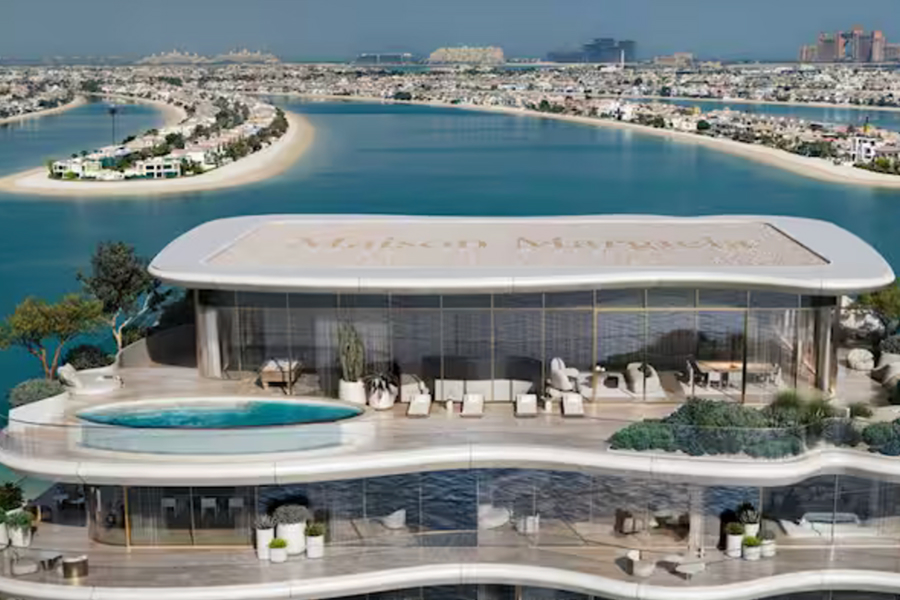
Dubai has become another global hub for branded residences, thanks to its appeal as a luxury destination and its growing population of entrepreneurial and ultra-wealthy residents. Maison Margiela’s first residential project illustrates this trend. Maison Margiela Residences Dubai embraces the brand’s avant-garde approach to deconstruction and turns it into physical architecture. This integration sets a new benchmark by creating not just branded homes but tangible interpretations of the brand’s artistic language.
In Dubai, where ambitious developments dominate the luxury property landscape, branded residences continue to thrive. They cater to UHNWIs seeking homes that merge craftsmanship, heritage, and international allure.
The Ultimate Luxury Environment
The Shift Toward Service as an Asset
In addition to aesthetics and brand heritage, the rise of branded residences reflects a transformation in how luxury property owners define value. Service has become integral to the asset. Features such as concierge services, private dining, housekeeping, and wellness facilities make owning and managing a global portfolio of homes significantly more seamless.
This service-oriented approach originated with hospitality brands and is now being woven into fashion-branded residences. For the ultra-wealthy, these services elevate the day-to-day experience of homeownership, enabling them to focus on what matters most while ensuring their homes are always at their most welcoming.
Scarcity Redefines Value
Collecting Branded Real Estate as Emotional Assets
Much like art, watches, yachts, and fine jewelry, branded residences are beginning to occupy an emotional and cultural space within collections of UHNWIs. An Armani home in Dubai, a Fendi residence in Miami, or a Maison Margiela property becomes more than an address; it reflects a moment in a brand’s journey and its interaction with architecture and culture.
These properties transcend practicality, offering lifestyle, mobility, identity, and legacy within the framework of globally recognized developments.
The Future of Branded Residences
The progression from 100 to over 900 branded residential projects illustrates the rapid evolution of this market. Going forward, success will depend on how well brands deliver on the promise of experience, authenticity, and exclusivity. For UHNWIs, the combination of a celebrated name and an unparalleled living environment remains irresistible.
Ultimately, the world’s leading fashion houses have turned narratives of heritage, craftsmanship, and artistry into immersive residential experiences where families can live, thrive, and create lifelong stories. Branded residences are not just reimagining the way we live; they are redefining what it means to own a piece of luxury.
Share Now
LATEST
POPULAR
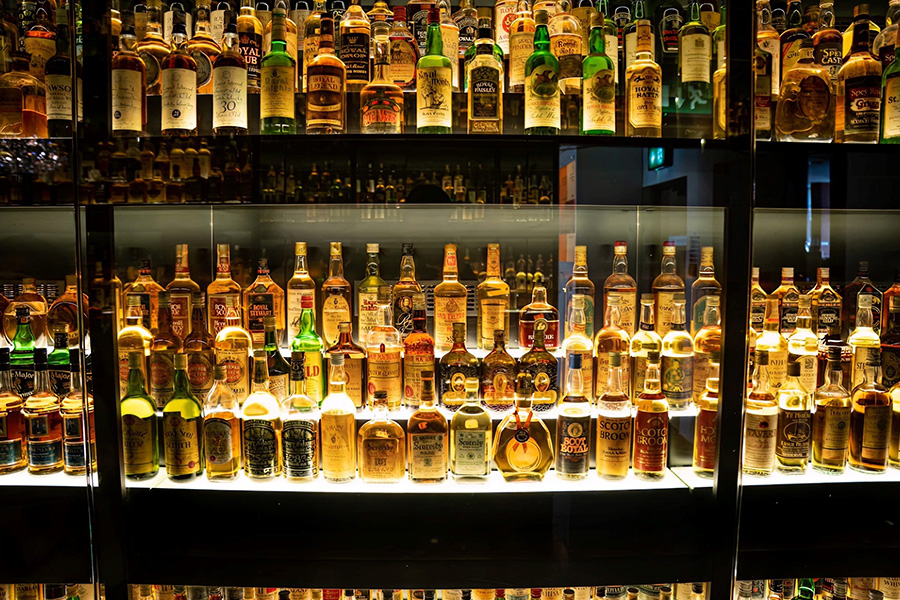
The latest trade data highlights the international influence of the UK's distilling expertise while reinforcing the long term appeal of collectible spirits for The 1%.
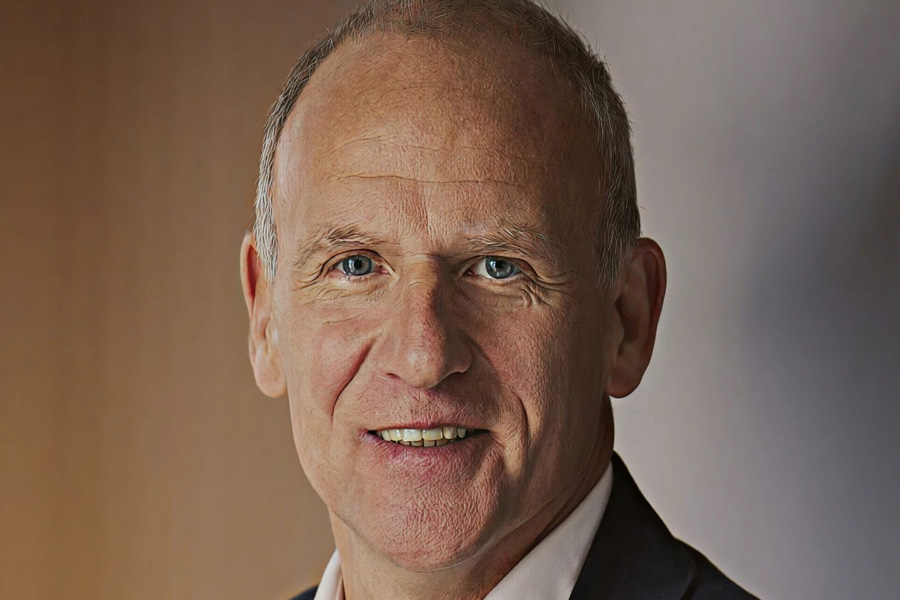
Diageo, among the world's most distinguished premium drinks companies, now enters a new chapter under the leadership of CEO Sir Dave Lewis.
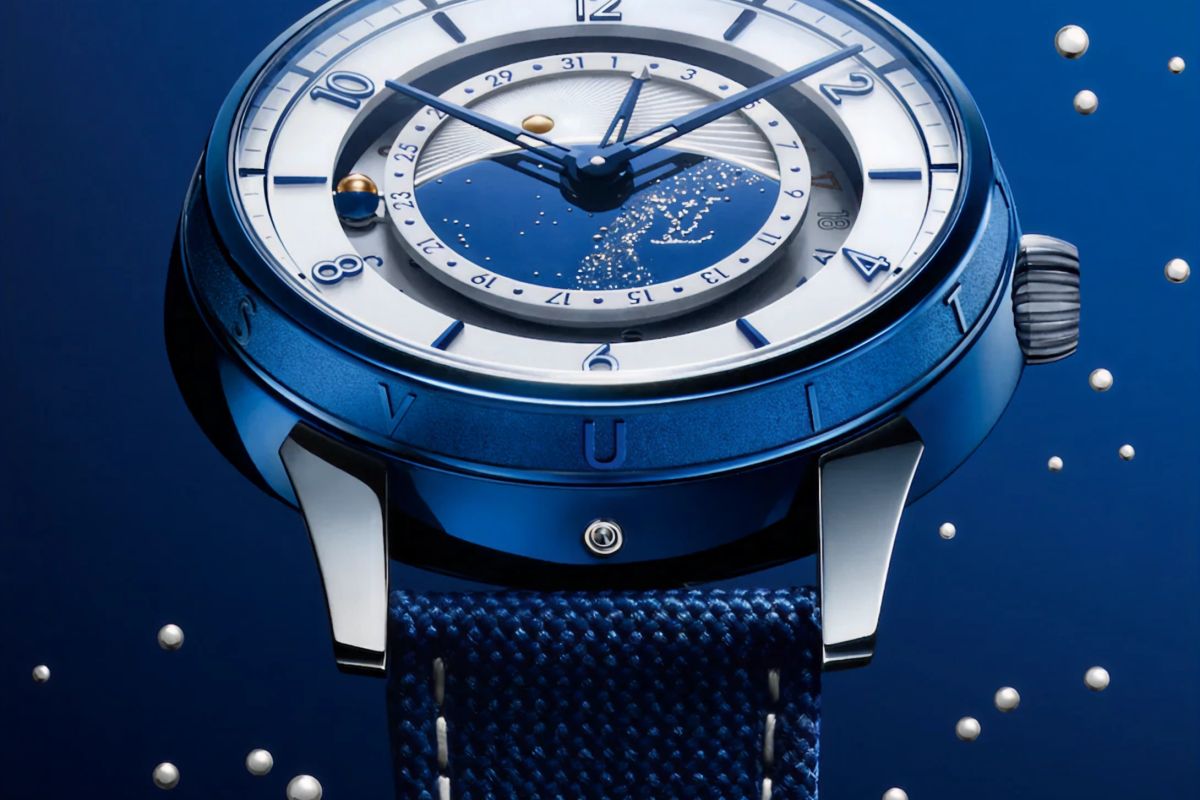
The collaboration brings together the storied Maison and independent master watchmaker Denis . . .