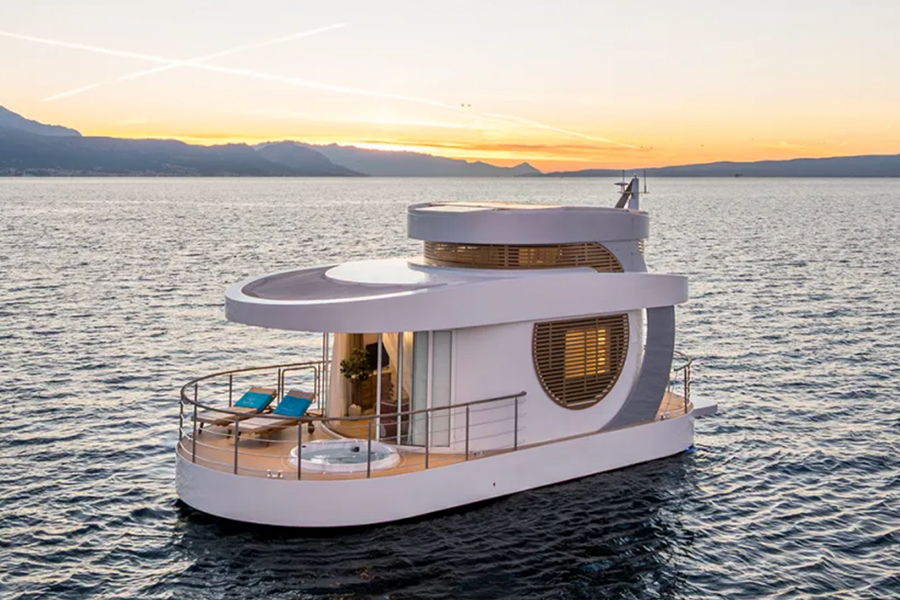


A $12 Billion Maldives Development Signals a New Era for Luxury Hotels and the One Percent
The Maldives stands on the threshold of one of the most ambitious chapters in its history.
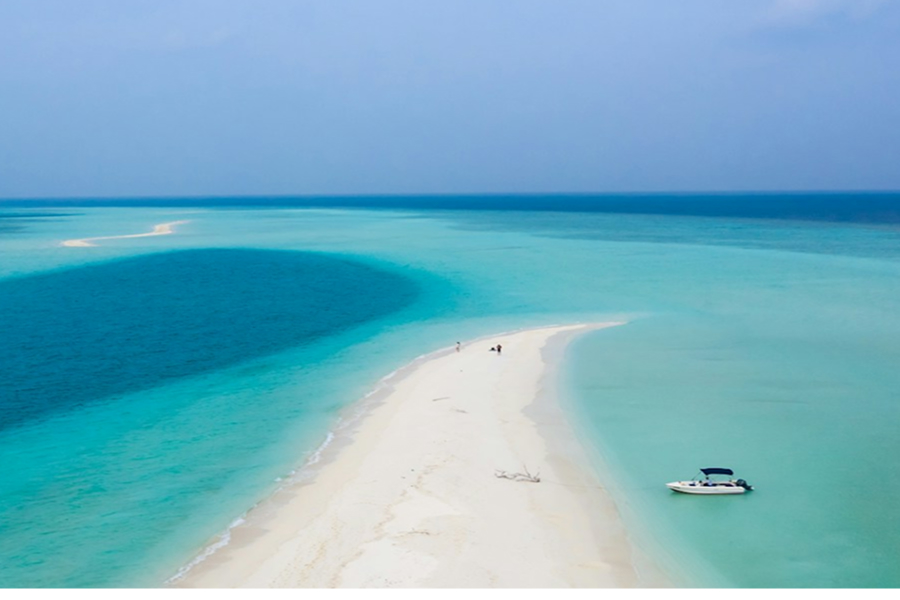
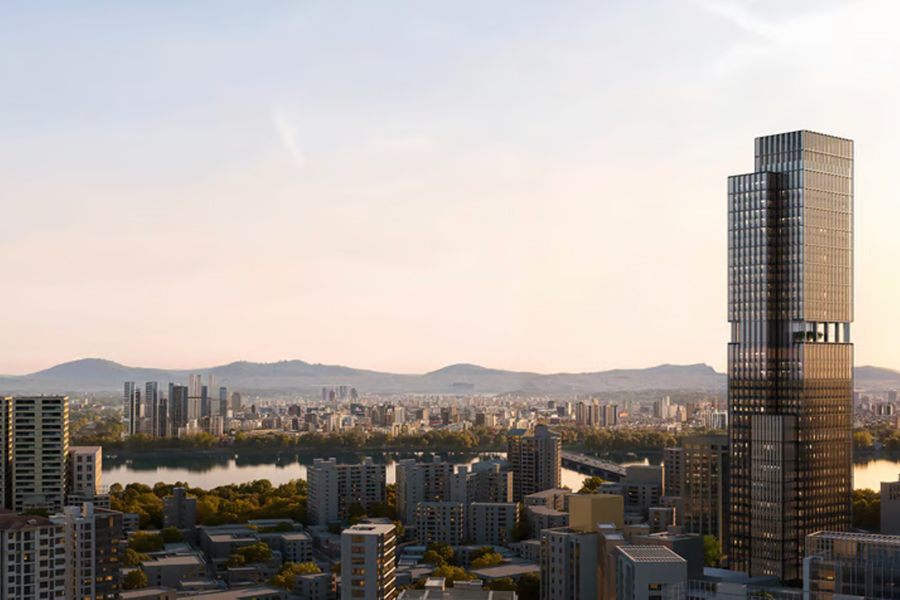
UAE-based Eagle Hills has revealed plans to invest approximately $12 billion in a sweeping new waterfront destination in Ras Malé. Spanning 550 hectares, the Maldives Waterfront and Marina project will weave together international luxury hotels, premium residences, retail, leisure and marina experiences within a single integrated destination, one designed to welcome the next generation of global travelers.
For the one percent, the project emerges as the relationship between wealth, travel and luxury hospitality continues to unfold. The Maldives has long cultivated a powerful identity around private island resorts, overwater villas, extraordinary marine environments and deeply personalized service, forging a natural affinity with Ultra High Net Worth Individuals who seek privacy and finely curated experiences. The proposed Ras Malé development elevates that promise into a large-scale lifestyle destination, uniting hospitality, real estate, yachting, leisure and long-term ownership.
The audience for destinations of this nature keeps widening. According to Altrata’s World Ultra Wealth Report 2026, the global population of Ultra High Net Worth Individuals reached a record 556,850 in 2025, representing individuals with fortunes above $30 million. Their combined wealth reached $63.8 trillion, while Asia recorded UHNW population growth of 15.8 percent during the year.
For luxury hotels and destinations shaped around affluent international travelers, this deepening concentration of private wealth represents a defining force in the future of global hospitality.
Luxury Hotels Enter a New Chapter in the Maldives
The Maldives has spent decades cultivating an international reputation for highly personalized island hospitality. The archipelago’s geography naturally supports an experience rooted in privacy, water, nature and space, qualities that resonate profoundly with the lifestyle expectations of the one percent.
The Maldives Waterfront and Marina project introduces another dimension to this established formula.
Planned for Ras Malé, the development will combine international luxury hotels with premium residences, shopping, leisure and waterfront experiences. Construction could begin during the first quarter of 2027, according to Eagle Hills founder and chairman Mohamed Alabbar.
The scale of the project creates an opportunity to develop an entire destination around contemporary luxury lifestyles, allowing hospitality, residential ownership, recreation and social experiences to exist within the same ecosystem.
For luxury hotels, integrated destinations can offer an increasingly sophisticated guest journey. A traveler may arrive for a resort stay while simultaneously accessing private residences, restaurants, retail, wellness, marina facilities and personalized experiences throughout the destination.
The One Percent Continues to Shape Global Luxury Travel
The economic influence of Ultra High Net Worth Individuals provides essential context for projects of this scale.
Altrata estimates that the 556,850 members of the global UHNW population control approximately $63.8 trillion in combined wealth. They represent only 1.1 percent of the world’s millionaire population while accounting for 32 percent of its total wealth. Altrata expects the UHNW population to reach approximately 746,570 people by 2030, with combined wealth potentially reaching $85 trillion.
This expansion creates an increasingly substantial international audience for luxury hotels, branded residences, private aviation, yachts, fine dining and destination experiences.
Asia holds particular significance within this landscape. Altrata recorded 15.8 percent growth in the region’s UHNW population during 2025 and expects Asia to remain an important engine of wealth creation through the end of the decade.
The Maldives occupies a strategic position within this geography, offering convenient access from wealth centers across the Middle East and Asia while maintaining established connections with European travelers.
Maldives Tourism Provides a Powerful Foundation
Tourism already sits at the very center of the Maldivian economy and international identity.
Official Maldives tourism statistics reveal the international diversity of the destination, with visitors arriving from Europe, Asia and the Pacific, the Americas and the Middle East. The country currently holds approximately 50,500 tourism beds within its hospitality infrastructure, demonstrating the considerable scale the destination has already achieved.
The Maldives Waterfront and Marina project has the potential to add another layer to this tourism landscape by combining accommodation with residential and lifestyle infrastructure.
This model reflects an important evolution within luxury travel. Affluent travelers increasingly engage with destinations through multiple touchpoints, from hotels and villas to restaurants, wellness, shopping, yachting and property ownership.
Luxury hotels consequently become anchors within wider lifestyle destinations rather than standalone places to stay.
Luxury Hotels Meet Branded Residential Living
Premium residences will form an important component of the Ras Malé development.
For the one percent, the relationship between luxury hospitality and real estate has grown increasingly interconnected. Affluent individuals often maintain homes across several global destinations, allowing their residences to support lifestyles shaped by international business, leisure and seasonal travel.
Integrating residences within a hospitality destination creates opportunities for owners to access hotel-inspired services alongside the privacy and permanence of a personal home.
The Maldives presents an especially compelling environment for this model. Oceanfront living, tropical landscapes, marina access and sophisticated hospitality can create a lifestyle proposition extending far beyond the traditional holiday experience.
The project will also incorporate 5,000 homes intended for Maldivian families, adding a substantial residential component to the wider development.
Yachting Could Become Central to the Experience
The inclusion of a marina forms another important connection with the lifestyle of Ultra High Net Worth Individuals.
Yachting remains closely associated with global luxury travel, and the Indian Ocean provides a spectacular environment for private cruising, diving and marine exploration.
A sophisticated marina integrated with luxury hotels and residences could allow Ras Malé to develop as a point of arrival and departure for yacht owners and charter guests exploring the Maldivian archipelago.
This relationship between hotels and yachting can extend throughout the guest experience. Private transfers, yacht provisioning, waterfront dining, wellness, concierge services and residential ownership can all become part of a single hospitality ecosystem.
For the one percent, the ability to move seamlessly between a private yacht, residence and luxury hotel creates the type of fluid travel experience increasingly associated with contemporary luxury.
Mohamed Alabbar Brings Global Destination Experience
Eagle Hills brings considerable international development experience to the Maldives project.
The company has a footprint spanning over 18 countries and a hospitality portfolio encompassing 45 hotels. Its founder and chairman, Mohamed Alabbar, is also the founder and chairman of Emaar, the developer associated with major global projects including Dubai’s Burj Khalifa.
This background gives the Ras Malé development an important connection to the evolution of integrated destinations within the Middle East.
Dubai demonstrated how hotels, residences, retail, entertainment and landmark architecture can collectively create globally recognized destinations. The Maldives provides a distinctly different geographical and cultural environment, allowing an integrated model to be interpreted through the identity of an Indian Ocean archipelago.
Local participation is also envisioned as part of the development, with opportunities for Maldivian companies and investors to become involved in the project.
Luxury Travel Becomes an Ecosystem
The proposed $12 billion investment illustrates the scale at which the luxury travel industry is evolving.
For decades, the luxury hotel represented the central component of an affluent traveler’s experience. Today, hospitality increasingly exists within a much broader ecosystem encompassing residences, private clubs, wellness, gastronomy, retail, yachts, cultural experiences and personalized services.
Ultra High Net Worth Individuals are particularly relevant to this transformation because their lifestyles frequently move across these categories.
A single journey can include private aviation, a yacht charter, an extended villa stay, wellness treatments, private dining, luxury retail and property investment. Destinations capable of connecting these experiences can forge deeper relationships with affluent visitors.
Ras Malé has the potential to develop around precisely this concept.
The Maldives Strengthens Its Position Among the One Percent
The Maldives already possesses many of the qualities associated with contemporary luxury travel, including privacy, extraordinary natural surroundings, highly personalized hospitality and access to the ocean.
The Maldives Waterfront and Marina development could broaden this proposition through a destination created around luxury hotels, residences, retail, leisure and marina life.
Its scale is particularly significant. A planned investment of approximately $12 billion across 550 hectares represents a substantial commitment to the long-term development of the destination and offers an opportunity to introduce new hospitality concepts alongside established Maldivian tourism.
For the one percent, the result could offer another way of experiencing the archipelago, combining the qualities of a private tropical retreat with the services and experiences of an integrated international destination.
A New Vision for Luxury Hotels in the Indian Ocean
The Eagle Hills investment represents an important moment in the continued evolution of the Maldives.
As the global UHNW population expands toward Altrata’s forecast of 746,570 individuals by 2030, the international audience for exceptional hospitality and residential experiences is also positioned for continued growth.
Luxury hotels will remain central to this landscape, while their role increasingly extends into complete lifestyle environments designed around how affluent travelers live, socialize, invest and explore.
With international hotels, premium residences, a marina, retail, leisure and extensive waterfront infrastructure planned across Ras Malé, the Maldives Waterfront and Marina development presents an ambitious vision for the future of luxury travel.
For the one percent, it reflects a world in which the luxury hotel becomes part of something larger, a complete destination connecting hospitality, private living, the ocean and personalized experiences within one of the world’s most celebrated tropical settings.
Share Now
LATEST
POPULAR
The latest trade data highlights the international influence of the UK's distilling expertise while reinforcing the long term appeal of collectible spirits for The 1%.
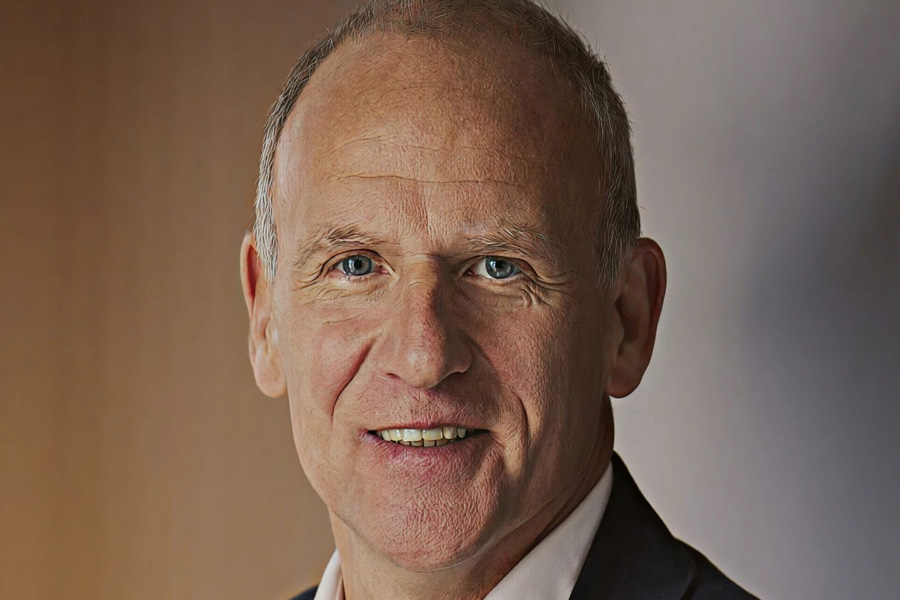
Diageo, among the world's most distinguished premium drinks companies, now enters a new chapter under the leadership of CEO Sir Dave Lewis.
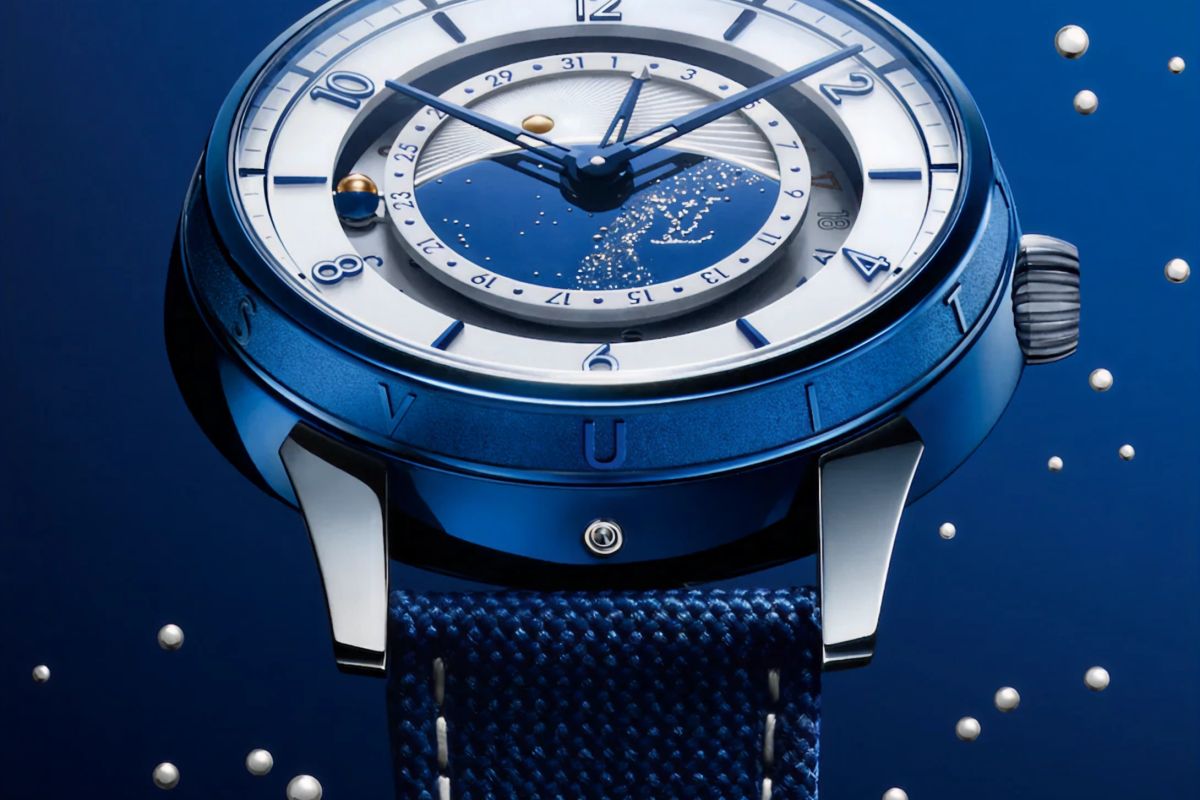
The collaboration brings together the storied Maison and independent master watchmaker Denis . . .