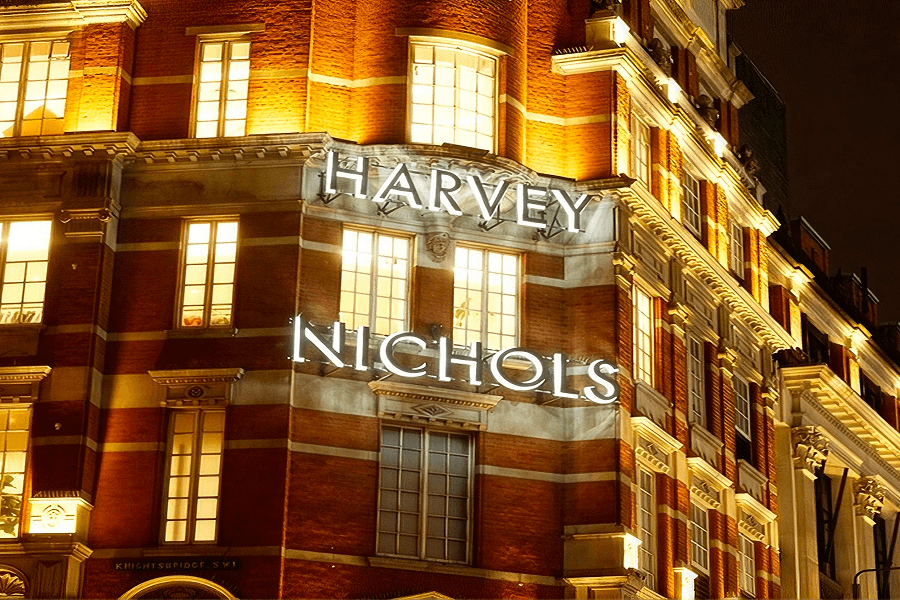


Balenciaga Reinvents the Hourglass Bag as Luxury Fashion Brands Embrace a New Era of Creative Heritage
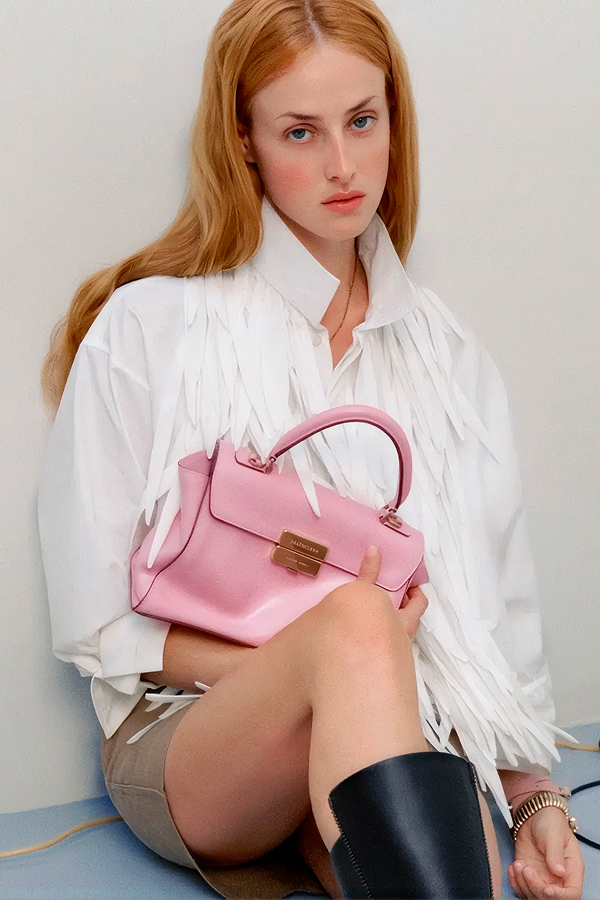
First revealed in the Fall Winter 2026 collection at Paris Fashion Week, the Hourglass Avenue marks a meaningful evolution of a shape now closely tied to contemporary luxury fashion.
Its arrival reflects a wider movement among Luxury Fashion Brands, which are returning to their signatures and viewing them through fresh creative eyes. For the 1%, an iconic accessory matters for its design, its craftsmanship, its cultural relevance and the quiet bond it forms between the wearer and the maison.
As the global population of Ultra High Net Worth Individuals continues to grow, recognizable design codes and a clear creative identity matter more than ever. Balenciaga’s latest Hourglass shows how a house can move a beloved design forward while keeping the qualities that give it lasting allure.
Pierpaolo Piccioli Introduces a New Vision for Balenciaga
The Hourglass Avenue debuted on the runway during Pierpaolo Piccioli’s second collection for Balenciaga. The show took place in March 2026 at a venue on the Avenue des Champs Élysées in Paris. The Fall Winter 2026 presentation spanned 81 looks, weaving together expressive eveningwear, contemporary tailoring, leather and a new generation of accessories.
Within that collection, the Hourglass Avenue stood out as a clear statement of Piccioli’s direction. It draws on an established Balenciaga signature yet softens it with supple materials and new construction details, giving the bag a personality all its own.
For Luxury Fashion Brands, a new creative director brings a chance to redefine the dialogue between heritage and the present. Established codes offer continuity. New perspectives keep a maison culturally alive for each new generation of luxury clients.
Piccioli’s Hourglass Avenue embodies this balance. It stays faithful to Balenciaga’s architectural identity while carrying the spirit of the house as it stands in 2026.
The Hourglass Avenue Reinterprets an Iconic Silhouette
The original Balenciaga Hourglass first appeared in the Fall Winter 2019 collection under former creative director Demna. Its sculptural form, with a curved base and structured proportions, soon became one of the house’s most recognizable accessories.
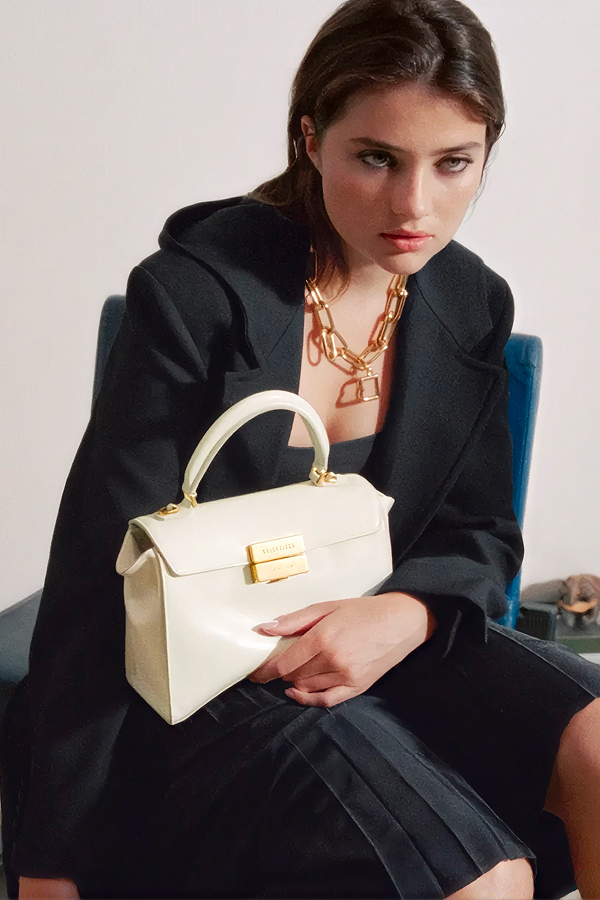
The shape pays homage to the hourglass figure at the heart of Cristóbal Balenciaga’s approach to the female silhouette. In this way, the bag carries a principle of couture construction into a contemporary leather piece, linking it directly to the founder’s legacy.
The Hourglass Avenue builds on that identity with softer leather and a more relaxed take on the original structure. Key details include:
- A hinged handle that adds a new architectural element
- Softer leather construction that eases the bag’s original rigor
- A magnetic closure engraved with the address of Cristóbal Balenciaga’s Paris ateliers and the maison’s headquarters
Each detail ties the design to the history of the house while leaving room for Piccioli’s own voice. For the discerning collector, these touches deepen an accessory’s meaning, connecting a modern object to the creative heritage from which it was born.
Luxury Fashion Brands Are Rediscovering Their Archives
The journey of the Hourglass reflects the rising importance of archives across the luxury fashion world. Established maisons hold decades of creative history, craftsmanship and distinctive silhouettes. These are rich sources of inspiration for collections today.
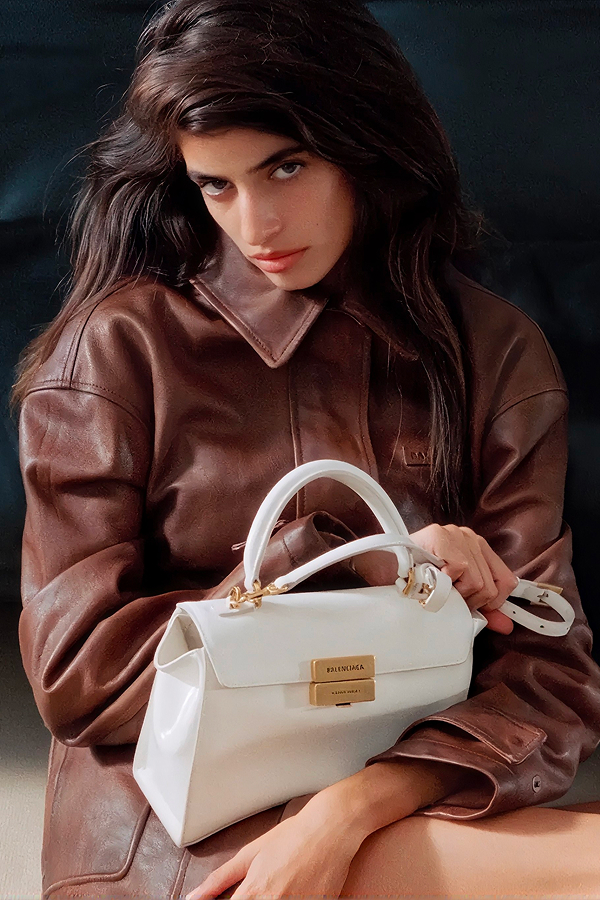
For Luxury Fashion Brands, archives are treasured cultural assets. A signature handbag, a defining construction technique or a historical reference can express a maison’s identity and give creative directors a foundation to build upon.
The Hourglass is especially compelling because it translates the architectural language of couture into an everyday accessory. Its curved silhouette echoes the house’s lasting devotion to proportion and structure, linking historic fashion innovation with contemporary leather goods.
For the 1%, this meeting of heritage and creativity lends an acquisition deeper resonance. Knowing a design’s origins, the creative director behind its reinterpretation and the craftsmanship within it becomes part of the pleasure of owning luxury.
Creative Directors Influence the World's Most Valuable Luxury Consumers
Creative leadership now shapes how sophisticated clients engage with Luxury Fashion Brands. A new creative director can redirect a maison’s aesthetic, lift the desirability of its collections and change the cultural conversation around its pieces.
Research from BCG and Altagamma makes this influence clear:
68% of top-tier luxury consumers can name the creative directors behind the brands they follow
About 25% consider the creative director when choosing a luxury brand
15% have stopped buying from a luxury brand after a creative leadership change they disliked
These findings show how much artistic direction matters in the bond between luxury houses and their most valued clients.
For Balenciaga, Piccioli’s Hourglass is a chance to express his vision through an accessory that already carries an established identity. The bag becomes a tangible sign of creative leadership, joining the designer’s perspective to one of the maison’s most recognized signatures.
The 1% Represents $290 Billion in Luxury Spending
The importance of exceptional accessories becomes clearer when we look at how much global luxury spending rests with Ultra High Net Worth Individuals. According to Altrata’s World Ultra Wealth Report 2025, around 510,810 Ultra High Net Worth Individuals worldwide held a combined $59.8 trillion in wealth in the first half of 2025.
Ultra High Net Worth Individuals are defined as people with a net worth of more than $30 million. They make up roughly 1.1% of the global high net worth community, yet control around 32.4% of its total wealth.
Their role in luxury spending is significant. Altrata estimates that this group accounts for about $290 billion in annual spending on luxury goods and services. That figure equals roughly 21% of individual luxury spending worldwide.
Personal luxury goods, including fashion, handbags, jewelry, watches and beauty, form part of this world of spending. For houses such as Balenciaga, relationships with this audience remain strategically vital. These clients have the means to explore many collections and categories within a single maison.
Top Luxury Consumers Spend Around €420,000 Annually
At the very top of the market, spending becomes even more concentrated. BCG and Altagamma identify a top-tier segment that spends more than €50,000 a year on luxury goods and services. Within this group, average spending reaches about €420,000 per year.
Between 2015 and 2025, this segment grew at an average annual rate of about 8%. Over the same period, its share of luxury revenues rose from around 14% to 24%. These figures underline the value of nurturing deep relationships with clients whose interest spans many luxury categories.
Iconic handbags often play a central role in these relationships. A distinctive accessory can open the door to a maison’s creative universe. Later collections then invite the client to discover ready-to-wear, footwear, jewelry and other expressions of the brand.
The Hourglass Avenue fits gracefully into this path. Its link to an established Balenciaga signature offers familiarity, while Piccioli’s interpretation adds a new dimension to the house’s evolving identity.
Craftsmanship and Design Remain Central to Luxury
The enduring appeal of iconic handbags speaks to the importance of craftsmanship, construction and design among sophisticated clients. A recognizable silhouette can become a lasting signature of a maison when it is supported by carefully chosen materials and considered proportions.
BCG and Altagamma research names execution quality, design and timelessness among the key factors behind luxury purchases. Visible logos rank among the least important considerations across the categories studied. This reinforces the true value of distinctive design codes.
The Hourglass Avenue speaks mainly through form. Its curved base, softer leather and architectural handle create a silhouette that is instantly recognizable and rooted in Balenciaga’s history.
For the 1%, these qualities carry their own quiet eloquence. They reflect the creative knowledge and technical mastery behind the piece. The union of craftsmanship and design remains essential to the lasting cultural relevance of Luxury Fashion Brands.
Balenciaga Introduces a New Generation of Creative Talent
To accompany the launch, Balenciaga unveiled a campaign featuring emerging creative personalities Anna Van Patten, Blanca Soler, Cala Moragas and Salem Mitchell. The images were captured by the interdisciplinary artistic duo Hart Lëshkina, who brought a contemporary visual sensibility to the bag’s debut.
The casting reflects Balenciaga’s desire to connect its established identity with a new generation of cultural voices. Through photography and personal style, the campaign places the Hourglass Avenue within a modern creative setting.
The bag has also drawn attention through appearances linked to Cynthia Erivo, Demi Moore and Lily Collins. These moments introduce the design to audiences across fashion, film and entertainment, strengthening its place in contemporary culture.
For Luxury Fashion Brands, cultural relevance remains a key part of desirability. When designers, artists, performers and influential figures come together, they create a richer story around a collection, one that carries its pieces into conversations far beyond the runway.
Iconic Handbags Remain Important to Luxury Fashion Brands
Handbags hold a special place in luxury because they unite function with recognizable design and craftsmanship. For established maisons, an iconic handbag can become one of the clearest expressions of the house’s creative identity.
The Hourglass has played this role for Balenciaga since its introduction in 2019. Its architectural form offers continuity across collections, allowing the maison to present new interpretations while preserving a recognizable design language.
The Hourglass Avenue shows how that process can evolve under new creative leadership. Softer leather, a hinged handle and references to the house’s Parisian heritage produce a design that belongs to the Hourglass family while expressing Piccioli’s vision.
For collectors and devoted luxury clients, the evolution of a signature handbag holds particular fascination. Each interpretation reveals a maison’s creative direction in a given era, linking accessories to the broader story of fashion design.
The Global Population of the 1% Continues to Expand
The international audience for Luxury Fashion Brands is growing too. Altrata forecasts that the global population of Ultra High Net Worth Individuals could reach about 676,970 by 2030. That would be an increase of around 166,160 individuals from the first half of 2025.
North America is expected to remain the largest region for ultra wealth, while Asia is poised for significant growth. This shifting map creates new opportunities for luxury houses to build relationships with discerning clients in both established and emerging wealth centers.
For Balenciaga, a globally recognizable accessory like the Hourglass Avenue can carry the maison’s identity across markets. Its distinctive silhouette offers visual continuity, while the story behind the design connects clients with the house’s Parisian heritage.
As wealth becomes ever more international, Luxury Fashion Brands can cultivate bonds with clients whose lives unfold across many cities. Recognizable design, fine craftsmanship and consistent creative direction can deepen these relationships over time.
The Future of Luxury Fashion Brands Is Built on Creative Heritage
Balenciaga’s Hourglass Avenue shows how an established house can reimagine a recognizable design through a new creative lens. Pierpaolo Piccioli brings softer construction and contemporary details to a handbag whose architectural silhouette remains bound to the legacy of Cristóbal Balenciaga.
For the 1%, the meaning of luxury accessories lies more and more in the interplay of creativity, craftsmanship, cultural relevance and personal expression. An iconic handbag can become part of a wider appreciation of design, reflecting both the heritage of a maison and the artistic vision of those shaping its future.
As the global UHNW population expands and the highest-spending clients claim a growing share of industry revenues, Luxury Fashion Brands have every reason to invest in distinctive pieces carried by compelling creative stories.
The Hourglass Avenue opens another chapter in Balenciaga’s unfolding design history. By joining an established silhouette with Pierpaolo Piccioli’s creative direction, the maison affirms the lasting power of heritage, craftsmanship and artistic identity in the world of Luxury Fashion Brands.
Share Now
LATEST
POPULAR