

Tom Ford Opens a New Luxury Boutique in California as Luxury Fashion Brands Embrace Private Retail Experiences
Tom Ford has opened a new boutique at South Coast Plaza in Costa Mesa, California. It is a refined destination that gathers the American fashion house’s entire world under one roof: menswear, womenswear, leather goods, fragrance, beauty, and accessories.
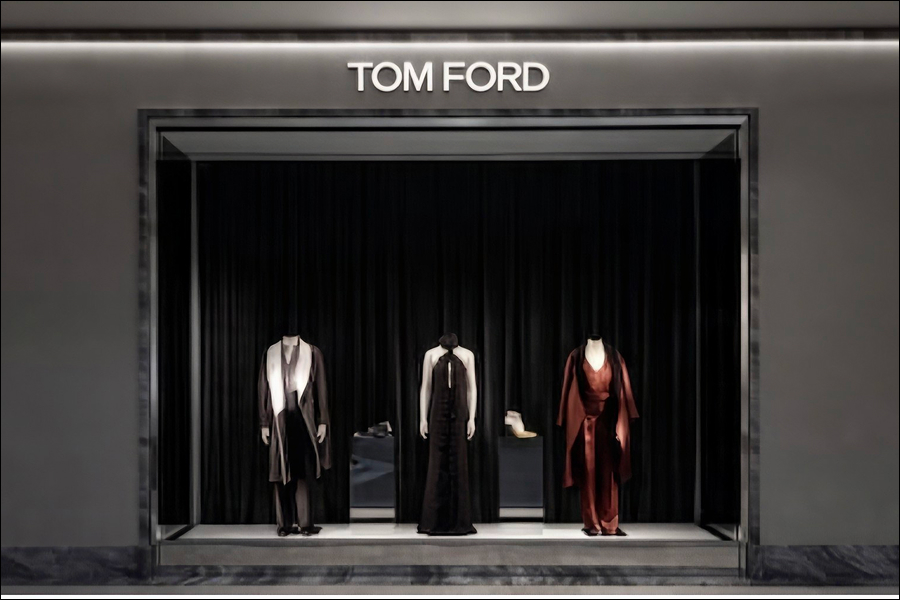
The boutique spans approximately 410 square meters and shows how much architecture, personalized service, and exclusive settings now matter to leading Luxury Fashion Brands.
Set within the prestigious Jewel Court, the space pairs noble materials with intimate lounges and made-to-measure tailoring. The opening also marks another chapter in Tom Ford’s evolution under creative director Haider Ackermann, whose artistic vision continues to shape the house across fashion and contemporary luxury.
For the 1%, spaces like this reflect a more considered way of acquiring luxury. Craftsmanship, personal relationships, and carefully curated experiences now sit at the heart of the purchase. As global private wealth grows, Luxury Fashion Brands are investing in physical destinations that can deliver the full brand experience to their most valued clients.
Tom Ford Expands Its Presence at South Coast Plaza
South Coast Plaza has long been one of Southern California’s most important luxury destinations. Its collection of prestigious fashion houses, jewelry brands, and specialist retailers draws affluent residents and international visitors alike. Tom Ford’s new boutique strengthens the center’s standing in the American luxury retail landscape.
Within its 410 square meters, the boutique presents the house’s complete men’s and women’s collections. Ready-to-wear, leather goods, eyewear, fragrance, cosmetics, and underwear share a single architectural setting, each piece speaking the same distinctive Tom Ford language.
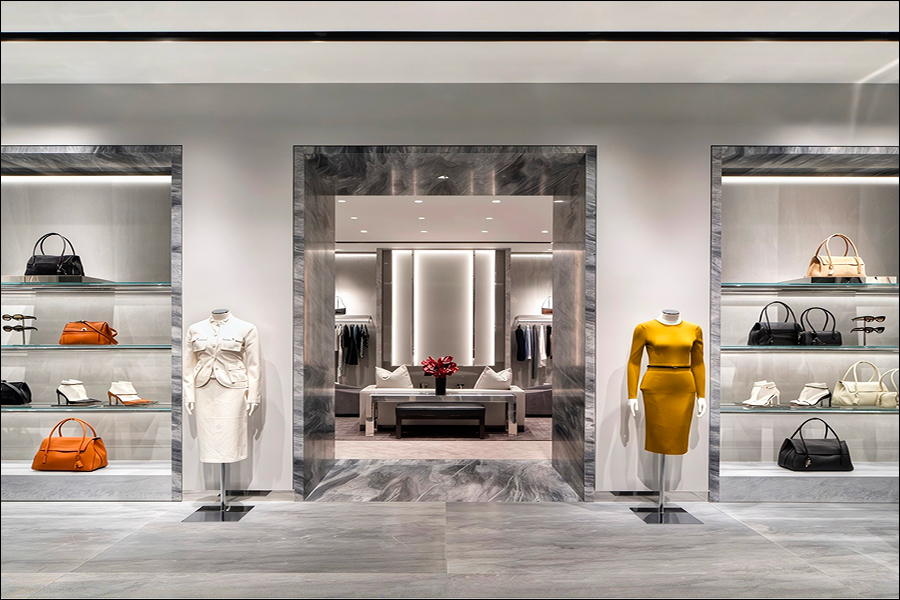
This unified approach mirrors a wider movement among Luxury Fashion Brands, which increasingly seek to present their full lifestyle universe in one place. When categories sit side by side, clients can discover different expressions of a house’s creative identity, and the relationship can grow across many areas of luxury.
For Tom Ford, the California opening deepens its bond with a discerning regional clientele. Fashion, beauty, and personalized services come together to offer a complete experience within one of Southern California’s most established luxury addresses.
Architectural Design Becomes an Expression of Luxury
Architecture takes center stage here. Natural stone, polished surfaces, and precisely defined spaces convey the house’s aesthetic before a single garment is touched. The façade unites Carrara Nuvolato marble, limestone plaster, and polished chrome, giving the boutique a commanding presence within South Coast Plaza.
Inside, each principal category is framed by its own stone:
- Womenswear: Newport White marble
- Cosmetics: Cala Paonazzo
- Fragrance and eyewear: Calacatta
- Menswear: black granite
The result is a cohesive whole in which every category holds its own atmosphere. It reflects the growing role of spatial design among Luxury Fashion Brands, where boutiques have become physical expressions of a maison’s creative soul.
For the 1%, the setting is part of the story. The interplay of material, craftsmanship, proportion, and light can lend a visit lasting emotional weight, creating surroundings worthy of the objects they hold.
Private Lounges Reflect the Evolution of Luxury Shopping
Among the boutique’s defining features are private lounges devoted to the men’s and women’s collections. Each is anchored by a generous fireplace, evoking the warmth of a private residence. These are rooms made for personal consultations, fittings, and unhurried discovery.
Such intimate spaces speak to the rising value of privacy and individual attention in luxury retail. Within them, clients can explore collections at their own pace, guided by specialists who know their tastes.
Luxury Fashion Brands have come to appreciate retail environments that feel like private homes, exclusive hospitality spaces, or members’ clubs. In these settings, shopping becomes a personal experience shaped entirely around the client.
For the 1%, privacy, convenience, and discretion are essential to true luxury service. A thoughtfully designed private space can nurture long-term relationships, turning each visit into part of an ongoing conversation about personal style and craftsmanship.
Made to Measure Tailoring Reinforces Tom Ford's Commitment to Craftsmanship
The boutique’s made-to-measure tailoring service lies at the core of its luxury offering. Clients can book individual consultations to select fabrics, refine silhouettes, and shape garments around their personal preferences.
After the consultation, specialist tailors at the house’s apparel atelier handle the cutting, construction, and finishing over several weeks. Fabrics come from leading mills, linking each commission to the textile mastery and technical heritage of fine tailoring.
Tailoring remains one of Tom Ford’s most eloquent expressions of identity. Precision, proportion, fabric selection, and the dialogue between garment and wearer define the house’s vision of contemporary elegance.
The rising focus on personalized tailoring also reflects a broader shift among Luxury Fashion Brands. As highly affluent clients seek pieces that reflect their individuality, made-to-measure services unite craftsmanship with an intimate client relationship.
The 1% Controls Nearly $60 Trillion in Global Wealth
The strategic value of personalized luxury retail becomes clear when you consider how concentrated wealth is among Ultra High Net Worth Individuals.
According to Altrata’s World Ultra Wealth Report 2025, the global population of Ultra High Net Worth Individuals reached approximately 510,810 during the first half of 2025, collectively controlling $59.8 trillion in wealth. This group, defined as individuals with a net worth above $30 million, represents roughly 1.1% of the worldwide high net worth population while holding around 32.4% of its total wealth.
Their influence flows directly into luxury consumption. Altrata estimates that Ultra High Net Worth Individuals account for approximately $290 billion in annual spending on luxury goods and services, or around 21% of global individual luxury expenditure.
For Luxury Fashion Brands such as Tom Ford, these figures underscore the commercial importance of nurturing refined relationships with the world’s wealthiest clients. Personalized tailoring, private consultations, and exclusive spaces open doors to clients whose interests often span fashion, jewelry, watches, beauty, hospitality, and beyond.
Top Luxury Consumers Spend Approximately €420,000 Annually
Luxury spending grows even more concentrated at the very top. Research from BCG and Altagamma identifies a top-tier segment spending more than €50,000 annually on luxury goods and services, with average annual spending of approximately €420,000 per consumer.
Between 2015 and 2025, this segment grew at an average annual rate of approximately 8%, while its share of luxury revenues rose from around 14% to 24%. The findings reveal the growing economic weight of highly engaged luxury clients in the global market.
For Luxury Fashion Brands, this trend strengthens the case for complete retail environments that invite discovery across categories. A client who arrives at Tom Ford for made-to-measure tailoring may leave having found leather goods, fragrance, or eyewear that belong to the house’s wider lifestyle world.
The opportunity reaches beyond a single purchase. Understanding personal preferences, offering consistent service, and providing access to specialist expertise can keep a fashion house woven into the lives of the 1% for years to come.
Haider Ackermann Shapes the Creative Future of Tom Ford
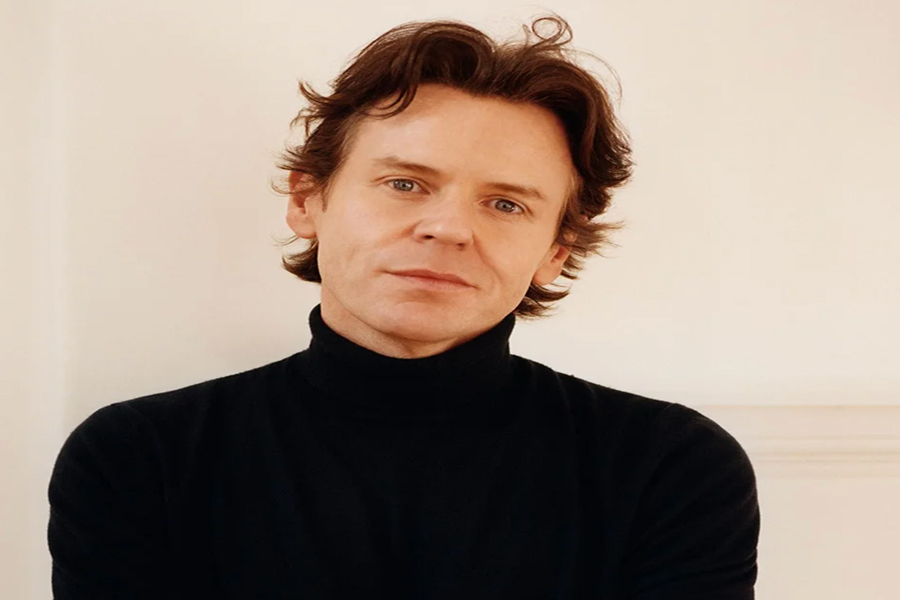
The South Coast Plaza opening arrives at a pivotal creative moment for Tom Ford under Haider Ackermann, appointed creative director in 2024. He brings a distinctive artistic perspective to a house celebrated for its tailoring, sensuality, and contemporary elegance.
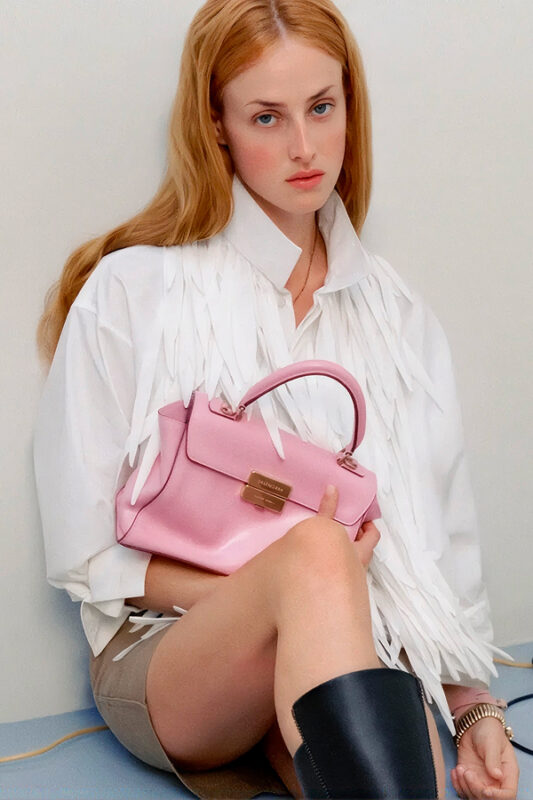
The house’s Fall/Winter 2026 campaign explores individuality and desire through an intergenerational cast, signaling the ongoing evolution of Tom Ford’s visual identity. This direction adds to a broader narrative that connects fashion, personality, and self-expression.
For Luxury Fashion Brands, creative leadership and commercial desirability have become closely intertwined. A creative director shapes a maison’s collections, visual language, and cultural identity, influencing how discerning clients perceive and engage with the brand.
According to BCG and Altagamma research, 68% of top-tier luxury consumers can identify the creative directors of the brands they follow, while approximately 25% consider creative leadership when choosing a luxury house. These numbers highlight how much artistic direction matters to the most engaged clients.
For Tom Ford, Ackermann’s vision offers a chance to evolve the house’s identity while honoring the design principles of its founder. The new California boutique gives clients a place to experience this unfolding creative chapter across every category.
Luxury Fashion Brands Are Investing in the Complete Lifestyle Experience
By uniting fashion, fragrance, beauty, eyewear, and tailoring, the new Tom Ford boutique reflects the growing importance of lifestyle positioning across luxury. Discerning clients often engage with a house through several categories, giving brands the chance to build a fuller relationship.
This approach suits Tom Ford especially well, as the house’s identity flows naturally between fashion and beauty. Fragrance and cosmetics reveal one facet of its aesthetic world, while tailored clothing and leather goods express its devotion to craftsmanship and design.
Luxury Fashion Brands increasingly design boutiques where these categories enhance one another. Consistent architecture, personalized service, and thoughtful presentation allow every dimension of a house to contribute to one seamless experience.
For the 1%, this integration brings both convenience and continuity. A relationship that begins with tailoring or fashion can extend naturally into fragrance, eyewear, and more, guided by a steady understanding of personal taste.
South Coast Plaza Reflects the Importance of Southern California's Luxury Market
Southern California holds a special place in the American luxury landscape, blending significant private wealth with international business, entertainment, real estate, and culture. Orange County in particular is home to affluent communities whose lifestyles call for refined retail experiences.
South Coast Plaza thrives in this setting, thanks to its strong roster of international luxury houses and its pull across the region. That position makes it a natural address for fashion brands seeking deeper ties with affluent residents and global visitors.
The boutique’s focus on private lounges and made-to-measure tailoring speaks to clients who value personal attention. These services invite meaningful engagement in a market where luxury purchases often form part of a broader lifestyle of travel, hospitality, property, and culture.
For Luxury Fashion Brands, location strategy remains closely tied to the geography of private wealth. Boutiques within established luxury destinations allow houses to serve clients in spaces that blend accessibility, brand identity, and specialist service.
The Global Population of the 1% Is Expected to Reach Nearly 677,000
The global luxury fashion market is buoyed by the steady growth of the Ultra High Net Worth population. Altrata forecasts that the number of individuals with more than $30 million in net worth could reach approximately 676,970 by 2030, an increase of around 166,160 individuals from the first half of 2025.
North America is expected to remain the largest region for ultra wealth, while Asia is poised for substantial growth. This shifting map gives Luxury Fashion Brands the chance to deepen their presence in established wealth centers while welcoming new generations of affluent clients.
For Tom Ford, investing in a refined physical space in California aligns with North America’s central role in the global wealth landscape. The boutique offers a destination where clients can explore the house’s full offering alongside personalized services.
As the 1% grows, service quality, creative identity, and individual attention will likely remain at the heart of luxury retail strategy. Houses that pair distinctive products with exceptional experiences are well placed to build lasting bonds with this influential audience.
Tom Ford's Global Business Combines Fashion, Beauty and Eyewear
Founded in 2005, Tom Ford has grown into an international luxury house recognized across fashion, fragrance, beauty, and accessories. The brand is wholly owned by The Estée Lauder Companies, with its main product categories operating through established licensing partnerships.
Ermenegildo Zegna Group holds the long-term license for Tom Ford Fashion, while Marcolin produces Tom Ford Eyewear under a separate agreement. Together, this structure unites specialist expertise in fashion, eyewear, and beauty within a single brand identity.
The South Coast Plaza boutique shows how these categories can live together in one cohesive space. Clients can experience the full breadth of the Tom Ford universe while immersing themselves in its signature design language.
For Luxury Fashion Brands, consistency across categories remains vital to building brand equity. Architecture, creative direction, craftsmanship, and service combine to create an identity that carries gracefully across every expression of luxury.
The Future of Luxury Fashion Brands Is Personal, Architectural and Experiential
Tom Ford’s new South Coast Plaza boutique captures the ongoing evolution of luxury retail toward spaces shaped by architecture, craftsmanship, and personal service. Through its carefully chosen stone, fireside lounges, and made-to-measure tailoring, the house has created a destination that expresses its aesthetic while meeting the expectations of its most discerning clients.
For the 1%, luxury shopping has become an experience defined by individual taste, specialist expertise, and the quality of human connection. Discovering a complete fashion universe within an intimate, beautifully considered space keeps physical retail at the heart of the modern luxury lifestyle.
As the Ultra High Net Worth population expands and top-spending clients claim a growing share of industry revenues, Luxury Fashion Brands have every reason to invest in distinctive destinations and meaningful client experiences.
The South Coast Plaza opening is another chapter in Tom Ford’s story under Haider Ackermann. By uniting fashion, beauty, architecture, and personal craftsmanship, the house affirms that creative identity and exceptional service remain the quiet foundations of the world’s finest Luxury Fashion Brands.
Share Now
LATEST
POPULAR