

The 1% Treat Private Jets Like Taxis
For the world’s elite, travel is no longer defined by inconveniences or compromises. The modern ultra-high-net-worth individual (UHNWI) has redefined private aviation—not as a luxury, but as a seamless extension of their daily lives. Nowhere is this more apparent than in the growing trend of short-haul private jet flights. These flights, often under 300 miles, are increasingly viewed not as indulgences but as essential tools for the complex choreography of a life lived at the pinnacle of success.
Short Distances, Expansive Possibilities
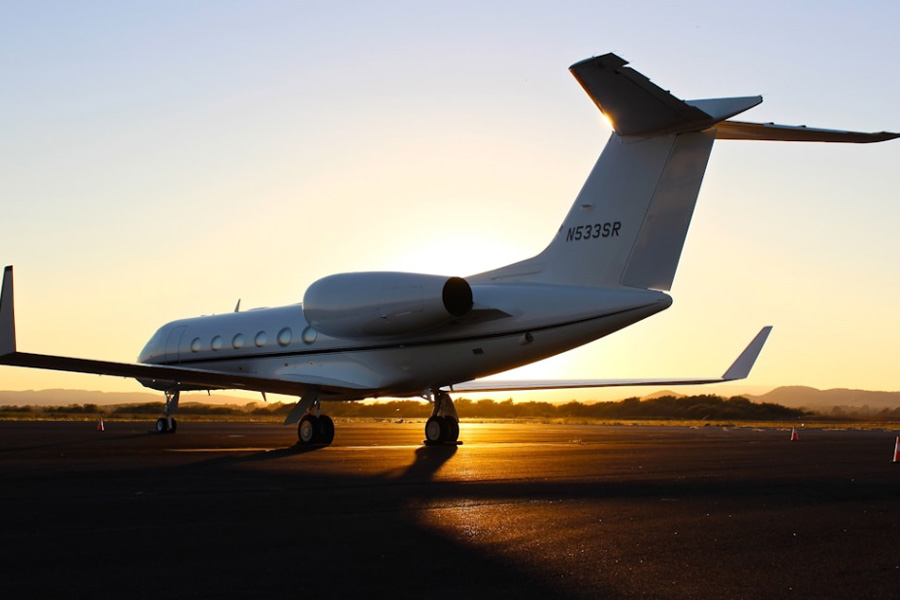
The numbers are illuminating. Industry analysts report that nearly 50% of all private jet journeys fall under the 500km range (approximately 310 miles), with routes like New York to the Hamptons or London to Paris serving as routine commutes. These journeys, often completed in under an hour, eliminate the labyrinth of commercial air travel. No terminals to traverse, no TSA lines to endure—just the quiet elegance of a private terminal and the efficiency of direct-to-destination service.
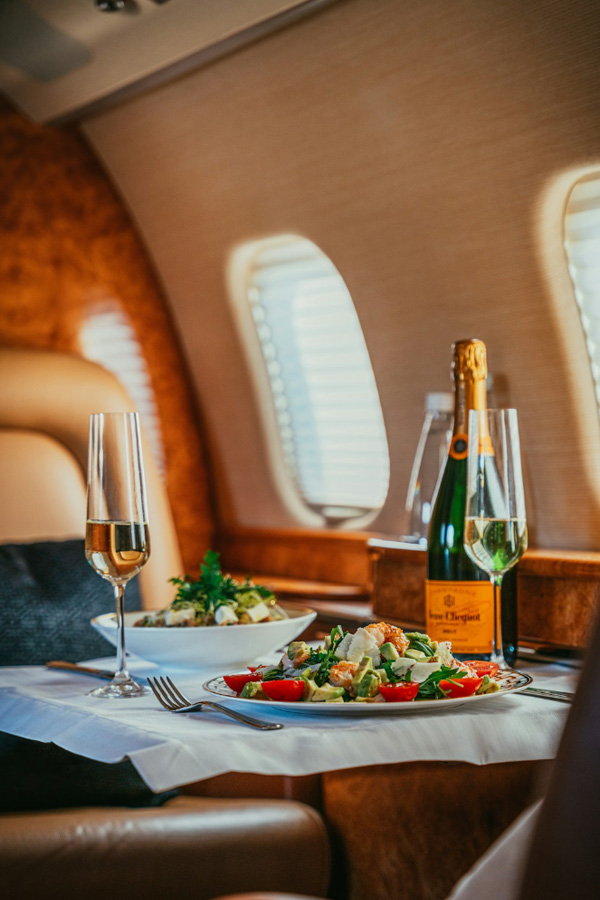
Such short-haul flights are not mere conveniences; they represent a philosophy. For the ultra-wealthy, time itself is the most sacred currency. A leisurely three-hour drive or a layover-laden commercial flight simply cannot compete with the precision of a private jet, where every wasted minute is reclaimed.
For example, consider a flight path from New York City to Nantucket, a route frequented by the discerning few. By car and ferry, the trip can require as many as five hours. A private jet reduces this to the blink of an eye, landing you at the island’s doorstep in less than sixty minutes. This is more than transportation—it is the art of arriving before you’ve even left.
More Than Efficiency—A World Apart
Traveling by private jet is also an exercise in control, a rejection of the uncontrollable variables that so often rule commercial aviation. UHNW individuals value privacy and discretion; they require layers of security and a service designed around their exacting demands. The allure lies not just in escaping prying eyes, but in ensuring that every element of the experience aligns with their expectations of exclusivity and sophistication.
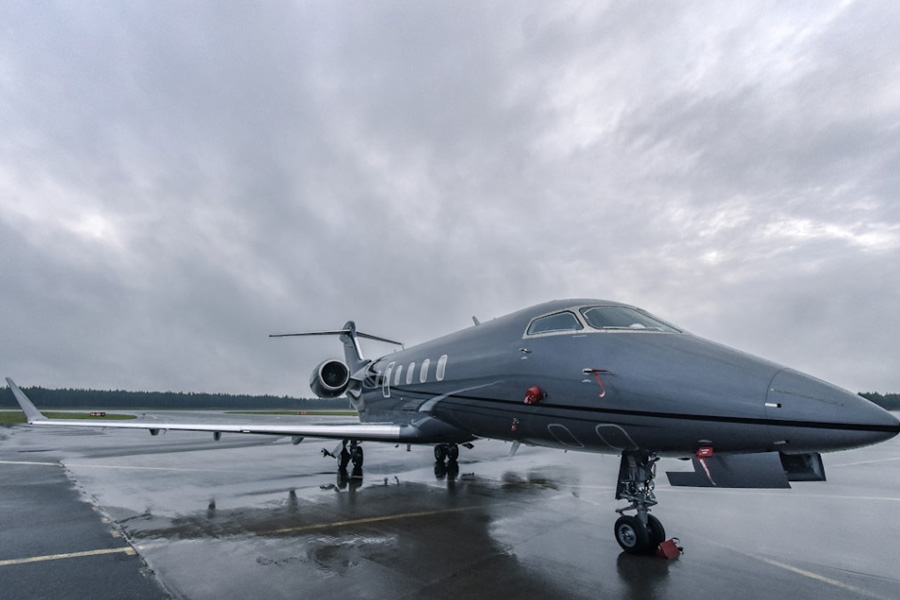
And then there is flexibility. Commercial flight schedules are fixed; private aviation flexes to the rhythm of your life. Need a last-minute weekend retreat to Aspen? A quick detour to visit a vineyard in Napa? Within hours, your jet can be ready. That immediacy—on demand and entirely bespoke—has reimagined luxury as an indispensable utility.
The Environmental Equation
Yet, as private aviation cements itself as a necessity for the world’s most selective travelers, the industry faces mounting scrutiny. Private jets contribute approximately 15.6 million tons of CO₂ annually—2% of global aviation emissions. And with the post-pandemic resurgence of travel, the frequency of short-haul private jet flights has surged, bringing environmental concerns into sharper focus.
Operators, however, are rising to the challenge with innovative solutions. Sustainable Aviation Fuel (SAF)—produced from renewable resources—has emerged as a leading strategy to offset emissions, reducing carbon footprints by as much as 80% compared to traditional fuel. Some aviation companies are also investing in next-generation jet designs, emphasizing energy efficiency without sacrificing performance or luxury.
Carbon offset programs, once a niche offering, are now integral to the private flying experience. Many UHNWIs, conscious of their steward-like role in environmental preservation, are opting for operators who align their services with sustainability goals. Here, the blend of responsibility and refinement creates a new category of luxury—one where indulgence meets integrity.
Post-Pandemic Momentum
The COVID-19 pandemic transformed how the world’s elite view travel. It accelerated trends already in motion, bringing about a paradigm shift in private aviation. WingX recently reported significant growth in short-range private flights across affluent regions, with demand for charters doubling as health and safety concerns peaked. Even as the pandemic recedes, the habits it seeded endure.
Notably, in 2024, there were around 395,000 UHNW individuals globally, with a staggering 72% now prioritizing private aviation when planning their journeys. This is not a temporary deviation from commercial travel—it is a recalibration. For these individuals, private jet travel is embedded in their lifestyles, as inseparable from their identity as the homes they commission or the art they curate.
The Future of Flight
For the 1%, private jets are not simply about traversing the skies; they embody a lifestyle that values elegance, precision, and autonomy above all else. And with innovations in green technology and increasing accessibility to on-demand aviation services, the future of private flight is poised to be one of both grandeur and conscience.
Perhaps most strikingly, we see a shift in perception. What once may have been deemed excessive—the idea of flying 200 miles instead of taking a train or driving—is now simply practical. The private jet, once a symbol of unattainable opulence, has evolved into something far more nuanced. It is a reflection of what the ultra-wealthy value most—not extravagance for its own sake, but mastery over time, space, and the way they move through life.
Around the globe, from New York to Monaco to Dubai, a quiet revelation echoes among UHNW communities. These jets are no longer defined by their luxury but by their necessity.
LATEST
POPULAR