

The U.S. Real Estate Market in 2026: What the 1% Need to Know
As the world reshapes its priorities post-pandemic, the U.S. real estate market is once again becoming a beacon for strategic investment—especially for Ultra High Net Worth Individuals.

In 2026, the landscape reveals a compelling duality: while macroeconomic uncertainties persist, opportunity flourishes for those who know where to look.
An Investment Climate Ripe for the Discerning Few
CBRE projects a 16% rise in commercial real estate investment activity in 2026, reaching $562 billion. This resurgence nearly mirrors pre-pandemic averages and is driven less by speculative growth and more by income stability, resilience, and asset precision. For the 1%, this signals a rare window: a competitive but highly rewarding moment to recalibrate portfolios toward legacy real estate assets.
Cap rates are expected to compress slightly—between 5 and 15 basis points across most sectors—making asset selection and intelligent management key drivers of value. As always, the 1% will outperform by leaning on expert foresight and architectural discretion, not herd behavior.
Prime Space Scarcity and the Rise of Off-Market Prestige
The flight to quality is no longer a trend—it’s a new world order. Trophy offices, luxury multifamily properties, and legacy retail spaces in gateway cities are experiencing unprecedented scarcity. Institutional tenants and private buyers alike are making early renewals and pre-leasing commitments to secure Class A inventory.
In this climate, UHNWI are increasingly engaging in off-market transactions, where privacy, speed, and exclusivity rule. According to Knight Frank’s 2025 Wealth Report, 18% of U.S. UHNWIs acquired real estate assets privately last year, with expectations that number will exceed 25% by year-end 2026. Control, discretion, and curated access are the new pillars of luxury real estate transactions.
The Luxury Multifamily Shift: Yield With A View
Demand in the multifamily sector remains robust, with positive net absorption across most U.S. markets. However, saturation in Sun Belt cities and the Midwest is prompting landlords to shift strategy—from acquisition volume to tenant retention. For UHNWIs investing in multifamily portfolios, the opportunity lies in reimagining amenitized living: concierge services, biometric security, wellness programming, and branded interiors.
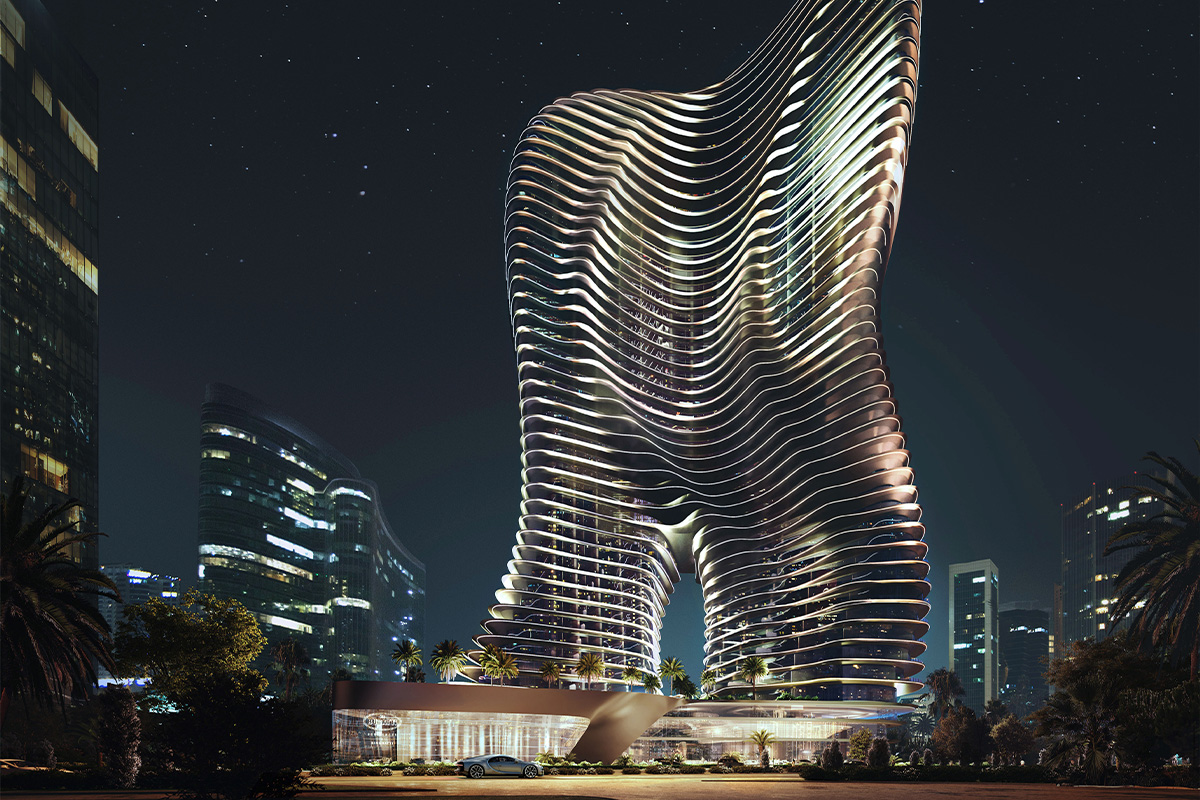
In parallel, branded residences and hybrid hospitality models—such as those introduced by Missoni, Karl Lagerfeld, and St. Regis Estates—continue to seduce the global elite. The 1% are no longer buying square footage—they’re buying identity.
Industrial & Data Centers: A Fortress for Capital Preservation
High-quality industrial space continues to capture attention, fueled by reshoring initiatives and the relentless rise of e-commerce logistics. Third-party logistics (3PL) firms and AI infrastructure companies are leading leasing activity, especially across the Sun Belt and Interstate 20 corridor.
Data centers are now a favored asset class for UHNWI family offices and digital-native investors, with 2026 expected to set a new all-time high in leasing activity. Power delivery delays and limited land supply are driving up values and compressing cap rates in top-tier markets.
Retail Renaissance in Strategic Enclaves
Retail is undergoing a transformation rather than a decline. While big-box footprints shrink, experiential and necessity-based retail—think high-end grocers, service brands, and boutique concepts—are capturing premium rents in curated neighborhoods. Investors who understand demographic flows and psychographic shifts are acquiring mixed-use retail in key lifestyle markets like Miami, Austin, and Montecito.
Healthcare and Life Sciences: Institutional-Grade Assets for Private Buyers
UHNWIs seeking long-term, stable cash flows are quietly entering the healthcare and life sciences sectors. As new federal policies increase demand for outpatient facilities and clinical R&D, these assets are becoming attractive for those focused on future-proof income.
Vacancy rates are expected to stabilize, while demand for specialized lab space is rising, particularly in Boston, San Diego, and Raleigh-Durham. This presents a rare convergence of purpose and profitability.
A Generational Wealth Transfer Fueling Demand
Over $31 trillion in wealth is expected to be transferred from Boomers to Gen X and Millennials in the coming decade. This generational handover is reshaping the real estate market with fresh expectations: less focus on mass visibility, more emphasis on discretion, authenticity, ESG alignment, and digital integration.
Today’s wealthy buyers demand more than square footage—they seek narrative, provenance, and performance. The real estate market in 2026 rewards those who operate with strategic conviction and intimate knowledge.
Final Word: For the 1%, Timing Is Everything
The U.S. real estate market in 2026 is not about speculation—it’s about informed conviction. For the world’s most discerning investors, it is a time to move decisively, secure rare assets, and build generational value across a range of evolving sectors.
The One Percent isn’t chasing trends. They’re writing them.
Share Now
LATEST
POPULAR