

Inside India’s Booming Real Estate Market: Why the 1% Are Betting Big on the Subcontinent
India’s real estate market is defying global trends. While luxury housing slows in cities like London and Paris due to fiscal pressure and taxation, India’s $300 billion property sector is in a full-blown surge — and it’s attracting increasing attention from Ultra High Net Worth Individuals across Asia, the Middle East, and beyond.
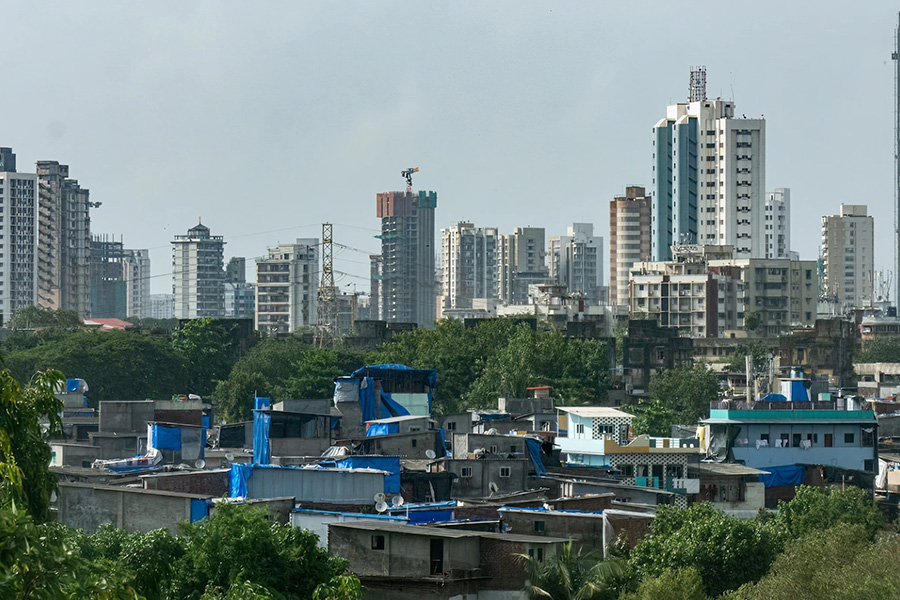
Why Now? An Overview for the 1%
For the 1%, India is no longer just an emerging market. It’s becoming a prime investment destination. With the number of Indian UHNWIs expected to grow by 58.4% by 2027 (Knight Frank, 2025), domestic capital is powering a wave of transformation across luxury residential, commercial office space, and branded developments.
Here’s what’s driving this surge—and why it matters for investors seeking long-term upside in the global real estate market.
1. Premium Property Is Surging
Demand for high-end real estate in India’s largest cities is accelerating. Residential units priced above ₹10 million ($120,000) now account for 51% of all sales across India’s top eight metros — up from 45% in 2024.
In Mumbai, prices for premium apartments are approaching parity with some neighborhoods in New York, while Delhi and Bengaluru saw year-on-year price increases of 19% and 15%, respectively. Developers are doubling down on luxury, even as volume growth levels off, reshaping the Indian real estate market into a high-margin, low-inventory play.
For the global 1%, this signals opportunity: high-end assets in India are increasingly scarce, rising in value, and backed by strong domestic demand.
2. Record-Breaking Growth in Commercial Real Estate
India leased over 80 million square feet of office space in 2025 — an all-time record. Global firms including Rolls-Royce, eBay, and Vanguard have expanded operations via new capability centers in tech hubs like Bengaluru, Hyderabad, and Chennai.
Commercial real estate rents have risen between 6% to 11% across major markets, with private equity and private credit funds actively backing development deals. The commercial sector is now drawing serious attention from UHNWI investors through direct participation, private debt, and asset-backed funds.
With over 70% of commercial real estate funding now domestic, there is a clear shift toward Indian-led capital in building its next generation of corporate infrastructure.
3. The Rise of Millionaire-Led Real Estate Funds
India’s wealthy elite are not just buying homes — they’re building them. Real estate now accounts for 12% of all Alternative Investment Fund (AIF) allocations in India, with over ₹733 billion ($8.8 billion) invested as of late 2025. The average individual ticket size has tripled in the last decade, reaching ₹60 million ($720,000), driven by family offices and non-resident Indian investors in Dubai, London, and Singapore.
These funds increasingly back early-stage development and land acquisition. What began as residential-only interest is now expanding into commercial opportunities and branded mixed-use projects, with many investors sharing in profits—not just interest.
4. New Investment Hotspots Are Emerging
While Mumbai and Delhi dominate the headlines, the next generation of opportunity lies in emerging micro-markets. Cities like Ahmedabad, Pune, and Surat are transitioning into Tier 1 economic zones, supported by new infrastructure and urban masterplans.
Even more niche markets are gaining UHNWI interest. Branded land in spiritual destinations like Ayodhya and Vrindavan is now drawing younger Indian millionaires, while coastal enclaves such as Alibaug are transforming into luxury residential havens with premium price tags.
What This Means for the Global Elite
India’s real estate market is no longer a hidden gem — it’s a visible engine of growth. For UHNW investors seeking exposure to long-term appreciation, geographic diversification, and first-mover advantage in Asia, India presents a rare convergence of domestic demand, high-yield returns, and demographic growth.
According to Bain & Company and Altagamma’s 2025 report, the global luxury consumer base will expand by over 300 million people in the next five years. A significant portion of that growth will be driven by India’s young and wealthy class, reshaping both domestic demand and international interest in the country’s luxury real estate.
Final Thought
Whether through direct acquisition, AIF participation, or branded residence partnerships, the 1% are rediscovering India — not as an alternative, but as an essential. In a shifting global landscape, India’s booming real estate market is not just rising. It’s redefining the future of property investment.
Share Now
LATEST
POPULAR