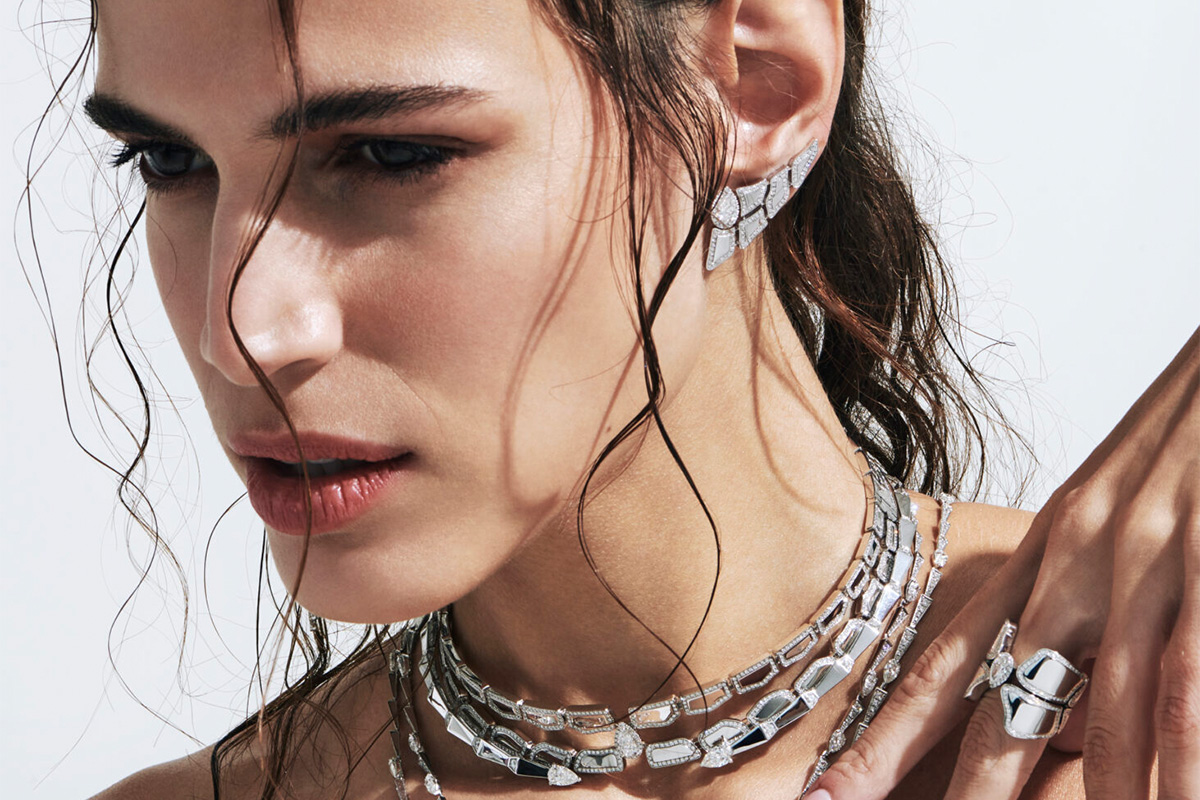


The Jewelry Market’s Resilience Amid Shifts in Luxury Trends
The luxury market is evolving, with notable economic shifts causing ripples across various sectors. However, despite these challenges, the jewelry industry has emerged as a resilient force, captivating buyers and driving growth. Anchored by iconic brands and an adaptable market strategy, jewelry continues to command attention even as other sectors grapple with uncertainty.
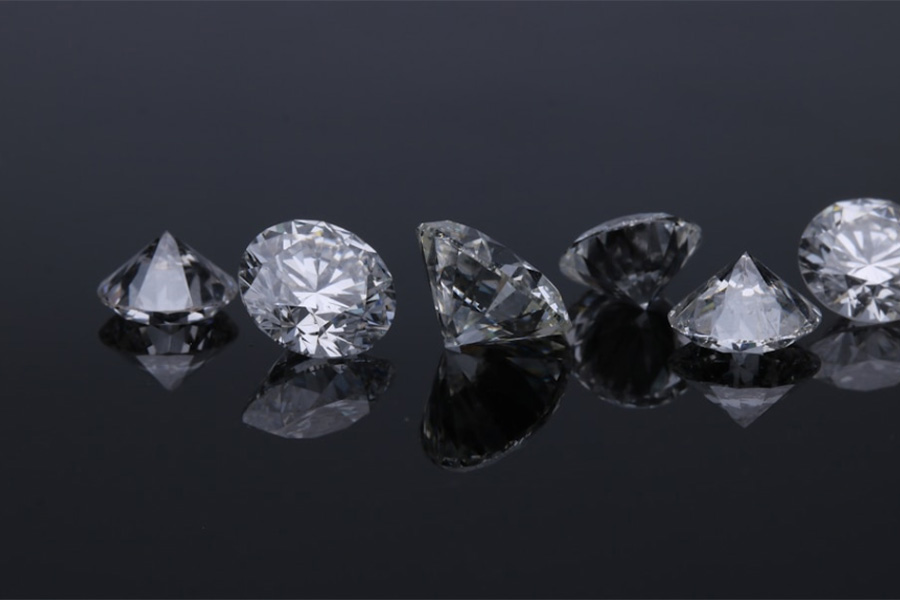
This article explores how jewelry has managed to shine amidst global economic pressures, showcasing the success of industry trailblazers like Tiffany & Co., and examines the rise of Gen Z and Gen Alpha as crucial consumer groups shaping the future of luxury.
Jewelry’s Enduring Appeal in an Unpredictable Market
While segments such as fashion and automobiles often fluctuate with economic conditions, jewelry has proven remarkably steady. Its deep-rooted emotional and cultural value cements its status as a “safe bet” for consumers, even in uncertain times. Whether viewed as an investment piece, a token of love, or a symbol of success, jewelry holds an intrinsic allure that transcends economic downturns
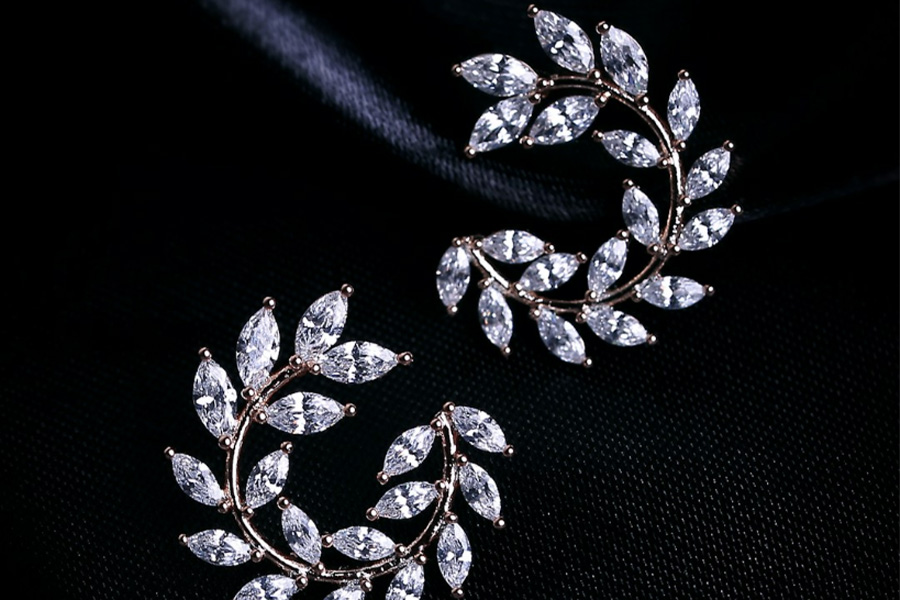
Notably, consumers’ growing preference for timeless designs and sustainable practices has further amplified the industry’s resilience. By addressing these shifts, brands are not only maintaining loyal clientele but also attracting new generations of buyers.
Tiffany & Co.: A Beacon of Growth and Innovation
Tiffany & Co. exemplifies the strength of the jewelry market in times of change. Following its acquisition by LVMH, the brand has embraced a reinvigorated strategy that aligns heritage craftsmanship with modern appeal. For example, its refreshed marketing campaigns and elevated store experiences have played a pivotal role in solidifying its position among a broad spectrum of luxury buyers.
Sales data paint a vivid picture of Tiffany’s growth, with steady revenue increases fueled by both iconic collections and new product lines. High jewelry sales remain robust, as do lower-priced options that invite a younger, more digitally savvy audience. This dynamic approach allows the brand to cater to multiple demographics without diluting its luxury essence.
Trends Shaping the Jewelry Sector
The jewelry sector’s agility stems from its ability to adapt to broader cultural and generational shifts. Two key trends shaping its trajectory include the rise of conscious consumption and the emerging influence of Gen Z and Gen Alpha buyers.
1. Conscious Consumerism Redefines Luxury
Modern buyers are more discerning about social impact. Sustainability, ethical sourcing, and environmental responsibility now top the list of expectations for high-value purchases. Jewelry brands that prioritize traceable materials, fair labor practices, and minimal environmental impact are gaining substantial favor. This shift benefits not only legacy players but also emerging brands that adopt eco-conscious principles as core differentiators.
2. Gen Z and Gen Alpha as Critical Luxury Audiences
The new wave of consumers—composed of Gen Z and Gen Alpha—brings fresh perspectives into the luxury space. These young buyers value experiences, individuality, and purposeful storytelling. They expect immersive brand interactions and are drawn to companies that align with their social values.
Jewelry brands are already reimagining how to engage these digital-first audiences through personalized online shopping experiences, metaverse integrations, and influencer collaborations that speak their cultural language. By leaning into these innovative outreach efforts, the industry broadens its appeal while taking bold strides toward the future.
Forecasting the Future of the Jewelry Market
Analysts predict that the jewelry market will continue to perform exceptionally well in the coming decades, with a compounded annual growth rate (CAGR) exceeding other luxury categories. Powered by digital innovations and the inclusion of younger demographics, the industry has vast opportunities for expansion and reinvention.
Additionally, regional growth in markets such as Asia and the Middle East suggests a broader global appeal for jewelry that balances tradition with modernity. Millennials and younger cohorts in these regions increasingly view jewelry as both a financial asset and a personal statement.
Final Thoughts
The jewelry market’s resilience in times of economic uncertainty is a testament to its unique position within the luxury industry. Renowned brands like Tiffany & Co. stand at the forefront, embodying innovation and adaptability that cater to both traditional expectations and modern desires.
As trends evolve, the industry will undoubtedly see the ascent of sustainability, personalization, and digital enhancements. With Gen Z and Gen Alpha poised to dominate future luxury spending, jewelry brands are equipped to thrive by meeting their preferences while honoring the timeless craftsmanship that defines the sector.
For luxury buyers and investors, one thing remains clear—jewelry, true to its nature, is an asset that both dazzles and endures.
Share Now
LATEST
POPULAR