

A $10 Billion Wake-Up Call: Why the Art World’s Market is Shifting
The world of fine art, long celebrated for its enduring opulence and unshakable prestige, is navigating uncharted waters. Recent reports unveil a striking 12% decline in global art sales, from $67.5 billion in 2022 to $57.5 billion in the present day—a staggering $10 billion loss that has left auction houses, collectors, and artists grappling with profound market shifts.
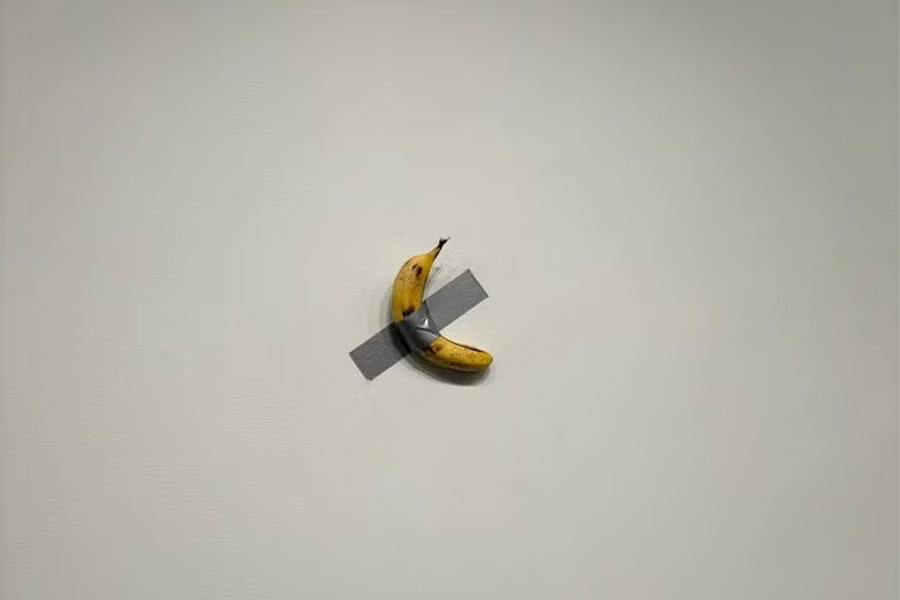
Yet, amidst this turbulence lies a fascinating metamorphosis, fueled by evolving collector behaviors and bold adaptations within the industry.
The Quiet Descent of the Global Art Market
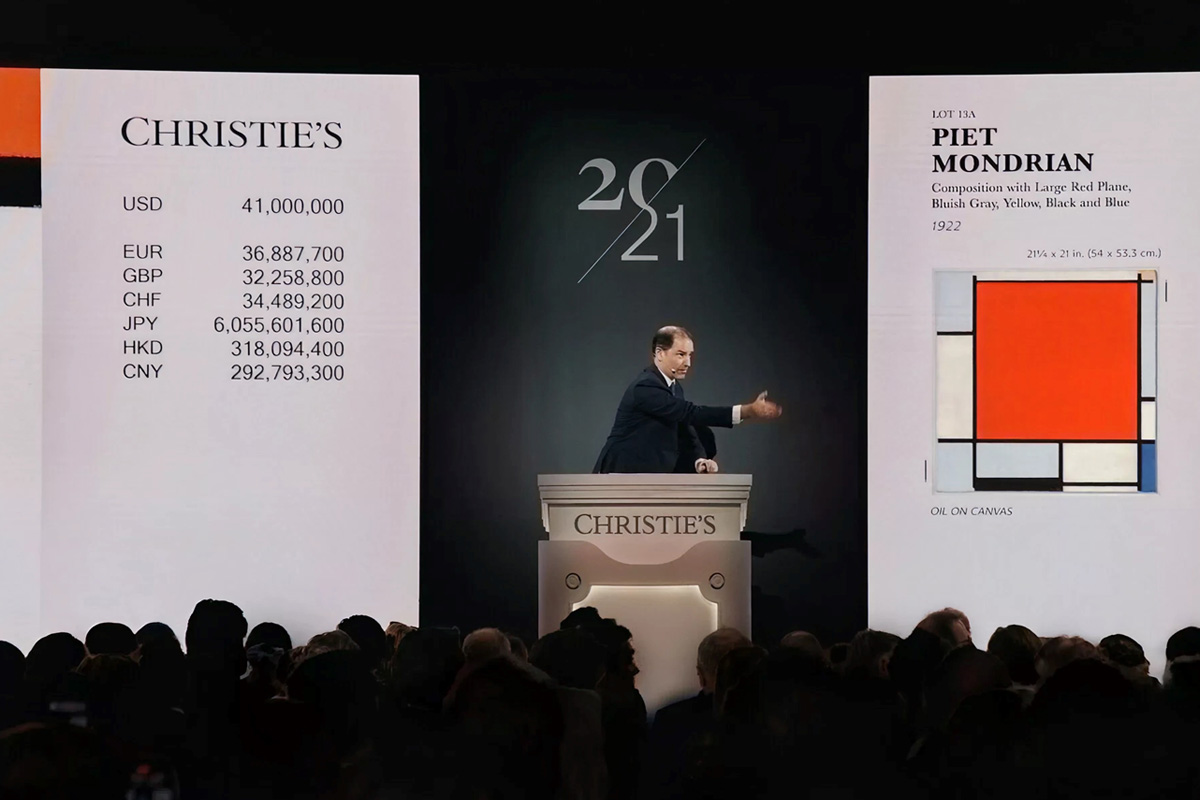
Once a veritable bastion of stability, the global art market now finds itself in flux. Industry titans Sotheby’s and Christie’s—long synonymous with art world grandeur—have reported softer sales figures across their marquee auctions. The shortfall is not confined to the upper echelons; a ripple effect spans galleries and independent artists alike, many of whom are recalibrating their strategies to sustain relevance in this evolving landscape.

The numbers reveal the magnitude of change. Global art sales plummeted by $10 billion over the past year, a reality that underscores shifting priorities among collectors. Demand for traditional categories, such as Old Masters and hyper-expensive blue-chip artworks, appears to be waning, with modern collectors increasingly drawn to digital art, contemporary expressions, and emerging artists whose works bring fresh narratives to life.
The Rise of Private Sales
Even as public auctions grapple with diminishing returns, private sales have quietly ascended to prominence, marking a 14% increase year-over-year. Once considered secondary to the pomp and visibility of auction-room theatrics, private transactions now dominate as collectors opt for discretion and exclusivity. These sales grant buyers unrivaled access to sought-after works while offering sellers greater control over pricing and audience.

This trend isn’t merely a reflection of taste—it’s indicative of a broader aspiration for bespoke, curator-driven experiences. Auction houses have responded by bolstering their private sales divisions, recognizing that personalization and tailored consultancy are not just amenities but prerequisites for attracting high-net-worth buyers in today’s market.
The Transformative Role of Gen X Collectors
At the center of this evolution stands a new wave of collectors, helmed by the often-overlooked Generation X. Averaging $578,000 in annual art-related expenditure, this demographic has shifted the focus away from entrenched investment-grade art toward fresh, innovative expressions. Emerging artists, digital works, and even NFTs now capture their imagination, as these collectors forge meaningful connections with creativity that challenges convention.
Unlike Baby Boomers, who traditionally emphasized art’s store-of-value properties, Gen X buyers seek dynamic interaction with the pieces they acquire. Whether enamored by immersive installations or drawn to the digital realm, this group actively redefines the notion of what constitutes “luxury” in art. Traditional players are taking note, pivoting their offerings toward these younger, tech-savvy audiences who crave discovery and differentiation.
Auction Houses Reimagine Their Futures
To endure in a market defined by change, auction houses have embraced reinvention. Sotheby’s and Christie’s, iconic powerhouses that once channeled art-world tradition, now venture boldly into contemporary arenas. This includes opening new viewing rooms and offices across the Middle East—a region whose soaring cultural ambitions have turned cities like Dubai and Riyadh into burgeoning art capitals.
Digital innovation has taken center stage, as well. Virtual salesrooms, augmented reality previews, and blockchain-backed authentication systems are no longer fringe experiments but critical pillars of these firms’ strategic blueprints. By extending their digital footprints, auction houses enhance accessibility while catering to younger audiences who prize seamless, tech-enabled experiences.
A Complex Yet Promising Future
Despite its challenges, the art market retains a remarkable, almost poetic, resilience. History reveals that periods of uncertainty often herald innovation, and today’s shifting market is no exception. The migration toward new mediums, the decentralization of taste, and the advent of technology-driven solutions are not signs of decline—they are heralds of transformation.
Collectors, artists, and dealers capable of adapting to these shifts will find themselves not merely surviving but thriving amidst the reconfiguration. The resurgence of private sales, the ascent of emerging artists, and the art world’s growing interconnectedness with technology offer fertile ground for optimism.
What remains evident, however, is that this $10 billion wake-up call is far from the end. It is the beginning of a reimagined epoch where creativity, innovation, and resilience intersect. The art world, in its timeless grandeur, has shown it can bend without breaking—adapting to not just the market’s demands, but to the evolving spirit of those who dare to define it.
Share Now
LATEST
POPULAR