

At the Edge of the World: How One UHNWI Family Transformed a Deserted Fijian Island
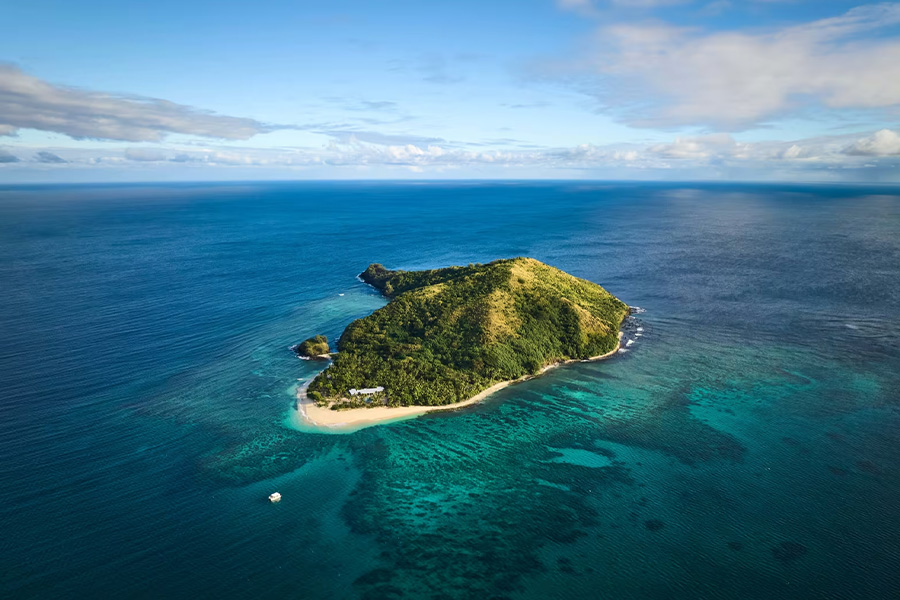
A story whispered to the winds of the Pacific, this is not merely a tale of development but of artistry, vision, and harmony with nature. One ultra-high-net-worth individual (UHNWI) family transformed a deserted, pristine island in Fiji into a sanctuary of sustainable luxury—a paradise where ingenuity and environmental stewardship intertwine seamlessly.
Their undertaking, ambitious yet deeply mindful, exemplifies how the privileged few can shape landscapes not only for exclusivity but for enduring beauty and purpose.
The Call of the Horizon
For this family, the project began as more than a pursuit of ownership—it was about crafting a legacy. Drawn by the untouched allure of the Fijian archipelago, they saw in the abandoned island an opportunity to blend luxury with responsibility. The landscape was raw, wild, and daunting, defined by rugged cliffs and untamed greenery, yet it brimmed with potential. The family’s vision wasn’t to impose, but to partner with nature in reimagining what was already extraordinary.
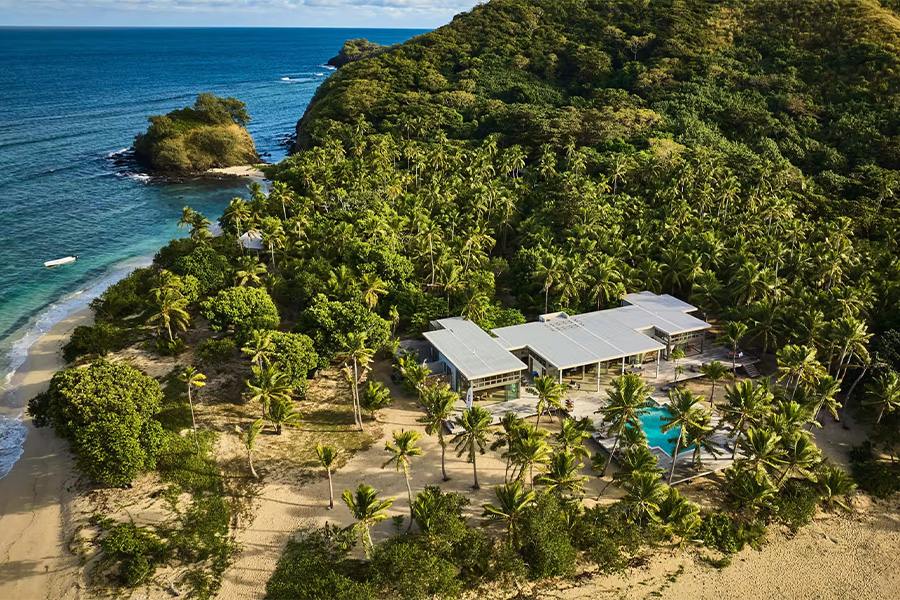
This was not simply an investment in real estate; it was a quest to create something transcendent. Their motivation? To forge a place where luxury spoke not through excess but through the art of integration—a harmonious melding of human craftsmanship with the symphony of the natural world.
Navigating the Challenges of Boundless Ambition
The island’s transformation was not without its hurdles. Its isolation presented logistical difficulties that tested even the most seasoned planners. Materials had to be transported over miles of ocean. Resources, vital yet finite, demanded meticulous planning. Decisions had to respect not only the family’s vision but also the island’s delicate ecosystems and indigenous connections.
Local partnerships became essential to overcoming these challenges. Collaborating with architects who specialized in sustainable design, marine biologists, and the local Fijian community, the family orchestrated a revitalization effort rooted in innovation and cultural respect. No stone—whether metaphorical or literal—was left unturned. Every structure, from the eco-lodges to water systems, was designed with minimal environmental impact but maximum longevity.
A Symphony of Sustainable Luxury
The island’s transformation became a study in balance, each element resonating with intention. Traditional Fijian craftsmanship shaped architectural elements, bringing authenticity to each structure. Natural materials, sustainably sourced, framed expansive villas perched on cliff sides, each window a living painting of the turquoise sea beyond. Solar arrays discreetly lined the island, harnessing sunlight to power this utopia.
Instead of the hum of diesel generators, the island came alive with the whispers of the ocean breeze and the chirping symphony of cicadas. Rainwater harvesting systems ensured self-sufficiency, while advanced waste management techniques preserved the untouched beauty of the land and sea. The goal wasn’t merely to “build”—it was to nurture.
The family then turned their attention outward, dedicating spaces to conservation and community. They introduced coral reef rehabilitation programs, ensuring the underwater world around the island thrived alongside the renewed land. Marine reserves were established, turning the waters into sanctuaries where fish, turtles, and other marine life flourished under protection.
The Human Canvas: Engaging the Local Community
At the heart of this transformation was the collaboration with Fiji’s local community. From the beginning, the family anchored their vision in mutual respect and empowerment. Job creation became a priority, not only to provide immediate opportunities but to instill long-term skills that could sustain livelihoods for years to come.
Local Fijian artisans were engaged to preserve traditional crafts and create elements unique to the island. Meanwhile, education initiatives blossomed, offering sustainable tourism and environmental stewardship training to empower future generations. With every step, the family aimed not to extract value from the island but to infuse it—socially, environmentally, and spiritually.
The culmination of these relationships was a breathtaking achievement that locals could also call their own—a shared treasure rather than an isolated retreat.
A Broader Reflection on Island Renewal
The family’s Fijian project serves as a poignant case study in how wealth can be wielded as a catalyst for sustainability and stewardship. It reminds us of the responsibility that power and privilege bear in the modern world. With visionary intent and thoughtful execution, possibilities for impact extend far beyond personal gratification.
This endeavor challenges preconceived notions of luxury. Instead of indulgence detached from real-world concerns, it demonstrates how exclusivity can coalesce with environmental consciousness. The family’s work suggests that sustainable development doesn’t detract from grandeur; in fact, it elevates it.
For the discerning few who command vast resources, the choice is clear. They can create havens that mirror the values of a rapidly evolving planet—where opulence is no longer measured by material excess but by harmony, respect, and the dance of innovation with nature’s unyielding grace.
The Legacy of Paradise
As the sunsets sing over this reimagined Fijian island, its legacy lingers far beyond its shorelines. Here exists a place where ambition met nature and asked not to conquer, but to collaborate; where beauty was cultivated to thrive in perpetuity. And for one UHNWI family, the act of transformation became an art form—a testament to the belief that true grandeur is found not in realizing what’s possible, but in redefining it altogether.
The enduring question remains for those with the means to answer it: What echoes will your legacy leave on the edge of the world?
Share Now
LATEST

POPULAR