

Abu Dhabi’s Cultural Renaissance: From Private Treasures to Global Heritage
Imagine a space where the world’s artistic treasures meet, where the timeless beauty of a Nicolas Poussin painting converses with contemporary installations, and where art transcends borders to become a universal language.
Abu Dhabi has embarked on a cultural transformation, one that positions the city as a global epicenter for art and heritage, and this metamorphosis is deeply rooted in a singular mission to make the private, public, and to establish a dialogue that reverberates across centuries and continents.
The Dawn of a New Cultural Era
For decades, Abu Dhabi has been synonymous with ambition, luxury, and innovation. Now, it is unveiling itself as a sanctuary for cultural refinement. At the heart of this reawakening lies Abu Dhabi’s Department of Culture and Tourism (DCT), whose vision extends beyond merely exhibiting art. Their guiding principle is that art should not be hidden treasures for the select few but shared experiences that unite communities.
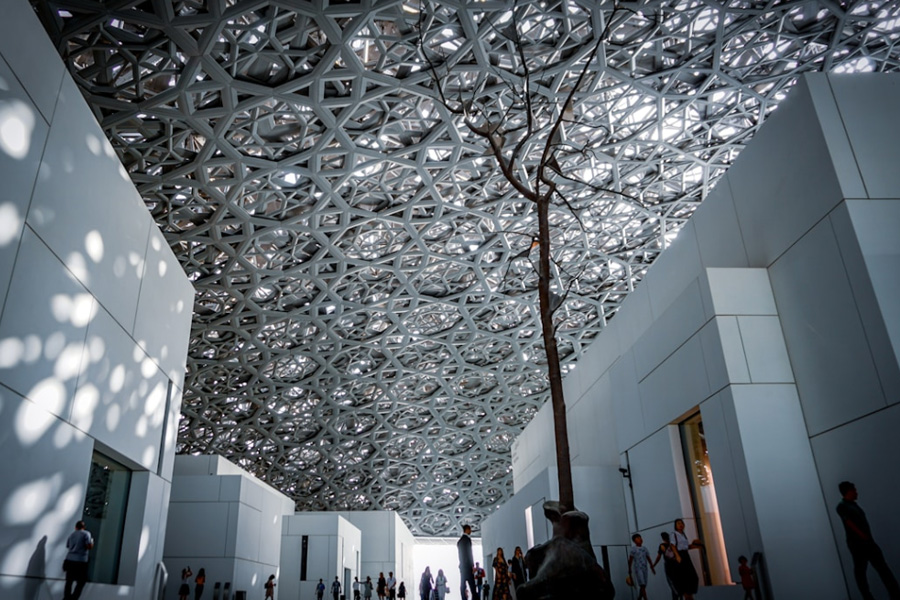
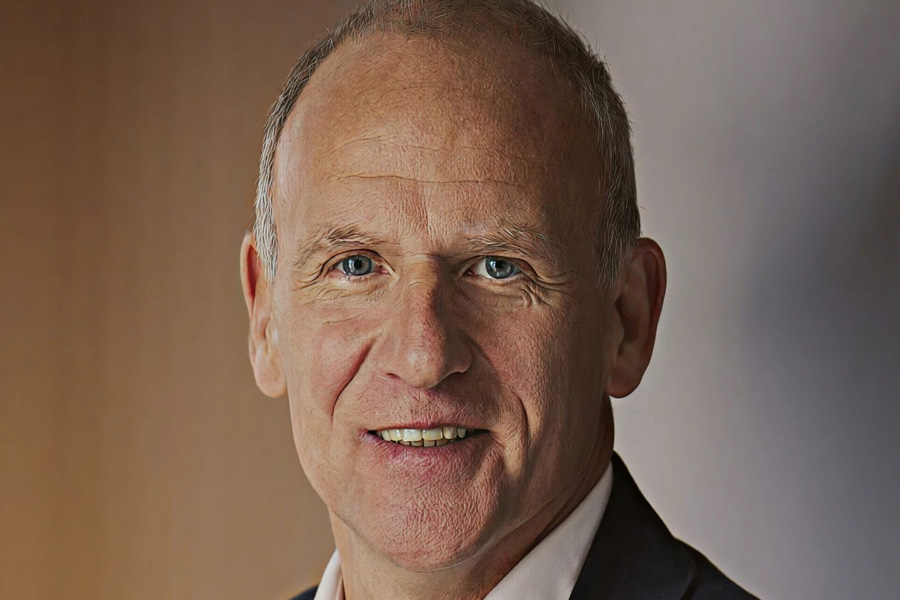
Mohamed Khalifa Al Mubarak, the Chairman of the DCT, describes this shift eloquently, saying, “When we open up our collections to the public, we’re not just showcasing beauty; we’re sparking a global dialogue, connecting humanity across regions and eras.”
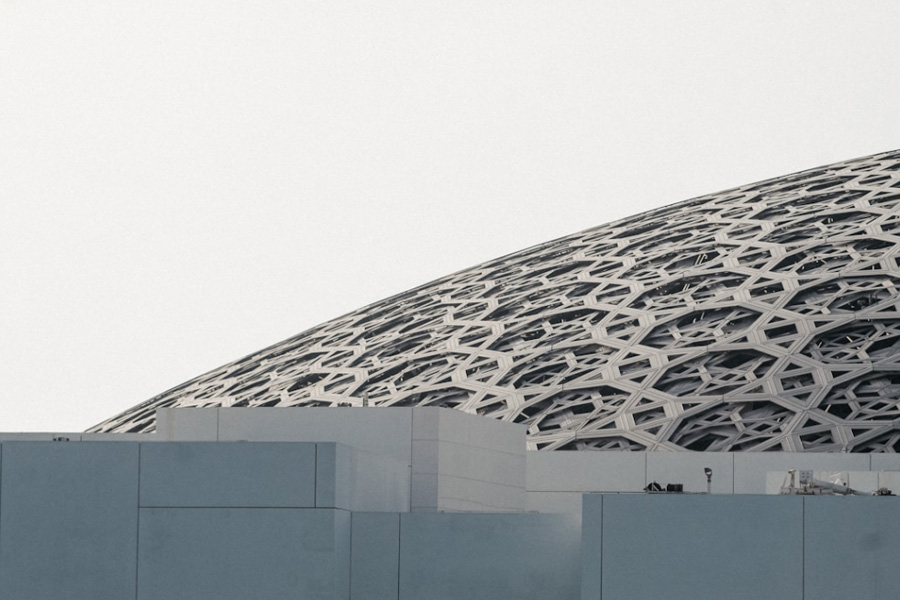
The narrative unfolds with bold initiatives such as the public display of Nicolas Poussin’s “The Eucharist”, a masterpiece steeped in Renaissance artistry. Once a private treasure, it now graces the halls of the Louvre Abu Dhabi, inviting the world to witness its profound symbolism and elegance.
Masterpieces Meet Modernity
Abu Dhabi’s growing art collection is a mosaic of cultural epochs, skillfully navigating the line between reverence for the past and the pulse of the contemporary. From Renaissance marvels like Poussin’s tableaux to modern installations that challenge perception, the collection reflects a cosmopolitan ethos. Regional works also take prominence, ensuring that the Middle East’s rich artistic heritage sings harmoniously alongside the global narrative.
The imminent openings of the Guggenheim Abu Dhabi and the Zayed National Museum promise to propel this vision further. Each institution is poised to become a beacon of culture:
- The Guggenheim Abu Dhabi, designed by world-renowned architect Frank Gehry, will be a haven for contemporary art, showcasing thought-provoking works from across the globe.
- The Zayed National Museum will celebrate the extraordinary legacy of Sheikh Zayed bin Sultan Al Nahyan, intertwining the UAE’s history with its aspirations for the future.
Together, these museums will enrich the cultural fabric of the city, offering immersive experiences that transcend traditional exhibition spaces.
Transforming Private into Public
Perhaps the most striking aspect of Abu Dhabi’s cultural renaissance is its commitment to redefining ownership. Art has long been confined to the private realm, sequestered within elite collections and inaccessible to the public. Abu Dhabi, however, has turned this paradigm on its head.
The DCT’s initiative to transform private holdings into a shared public heritage is a profound commitment to inclusivity. It is shaping a collection that does not belong to individuals but to everyone—a legacy to be preserved and perpetuated.
This ethos resonates on an international scale. As masterpieces and emerging works find their homes within Abu Dhabi’s cultural institutions, they become part of a larger dialogue—a testament to how art can bridge divides, spark conversations, and inspire generations.
A Seamless Blend of Traditions
The ongoing transformation is not merely about building institutions or extending collections; it’s about creating a space where traditions meet and evolve. Visitors to Abu Dhabi’s cultural landmarks will encounter works that speak to the universal truths of existence—themes of love, resilience, identity, and innovation—all seen through the prism of distinct eras and perspectives.
The juxtaposition of Renaissance elegance with the boldness of modern and regional artwork creates a sensory experience that defies categories. The narrative is not linear; it is a symphony of voices, each contributing its note to an evolving masterpiece.
A Global Legacy in the Making
Abu Dhabi’s cultural transformation is more than a local endeavor; it is a gift to the world. By fostering a dynamic dialogue between past and present, East and West, the city establishes itself as a steward of heritage and creativity.
Through initiatives such as the Louvre Abu Dhabi, the Guggenheim, and the Zayed National Museum, Abu Dhabi invites the world to partake in its vision. It offers not just a glimpse of artistic excellence but an ongoing conversation-a reminder that art, in all its forms, is humanity’s shared legacy.
Closing Thoughts
Abu Dhabi’s metamorphosis into a cultural haven exemplifies artistry as both a mirror and a bridge—a mirror reflecting human creativity and a bridge connecting cultures across time and space. With every masterpiece unveiled and every exhibition opened, the city strengthens its identity as a global nexus of art, dialogue, and heritage.
A visit to Abu Dhabi is no longer just a travel destination; it is an invitation to witness history in the making, to be part of a narrative where art is not merely displayed but celebrated, shared, and most importantly, lived.
Share Now
LATEST
POPULAR