

LVMH Spirits Sales Decline in H1 2025
The world of luxury spirits bore witness to an unexpected turn in the first half of 2025 as LVMH’s Moët Hennessy division experienced a notable decline in sales performance.
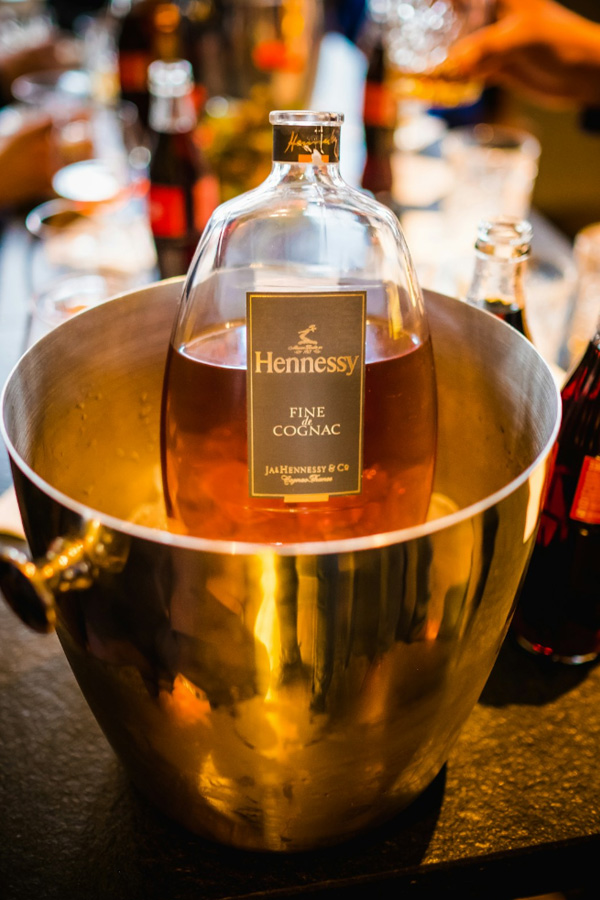
Revered as a hallmark of craftsmanship and prestige, Moët Hennessy reported a 15% revenue drop, unraveling a narrative shaped by shifting markets, geopolitical pressures, and evolving consumer preferences.
A Softer Pour for Moët Hennessy
Among the division’s key metrics, organic revenue fell by 7%, while operating profit saw an even steeper decline of 33%. The contraction in Cognac volumes—a pillar of Moët Hennessy’s portfolio-emerged as a keystone of this downturn. For Hennessy, the crown bearer and best-selling Cognac within the maison, the decline in volumes marked a notable retreat from its usual trajectory of excellence.
Such results call into focus the delicate interplay between market dynamics and global forces influencing consumers’ evolving tastes. It was a sobering moment for a brand synonymous with grandeur, and yet, within this challenge lies the opportunity to adapt, innovate, and propel intelligently forward.
East Meets West Under Pressure
Two distinct markets, pivotal to LVMH’s success-China and the United States-witnessed disruptions that echoed throughout the bien de luxe. Several factors contributed to the waning spirits demand in these regions:
- Geopolitical tensions: Trade tariff disputes and diplomatic strain between the economic superpowers have created ripples through the trade of luxury goods, spirits included.
- China’s anti-dumping investigation: The inquiry into the pricing practices of foreign brands—including imported liquor—has weighed heavily on international business, casting uncertainty over brands like Hennessy and their foothold in the Chinese market.
These forces combined with softening U.S. consumer demand for ultra-premium spirits, igniting introspection on both ends of the supply chain.
Evolving Sophistication Among UHNWIs
Ultra-high-net-worth individuals (UHNWIs)—whose preferences shape the very contours of luxury’s future—are undergoing a generational shift. Particularly among those under 45, the concept of luxury today finds itself veering toward individualism, authenticity, and diversified experiences. Traditional consumption patterns tied to elite staples, like Hennessy, now share their space with a growing appetite for niche, avant-garde alternatives.
This shift signals more than just a transient trend; it highlights a movement toward new definitions of status and opulence—those curated to reflect craftsmanship, sustainability, and a worldlier aesthetic.
Group-Wide Implications
The challenges faced by Moët Hennessy mirrored broader patterns across the LVMH empire in early 2025, with the group reporting a decline in sales across major divisions. Spirits sales deceleration, however, stood out as a dramatic performance tilt, underscoring how geopolitics and market-specific pressures weigh differently on product categories.
Nonetheless, within these downturns, LVMH has demonstrated one of its greatest strengths—resilience.
Strategic Renewal and the Road Ahead
Faced with such global and market complexities, Moët Hennessy is recalibrating its approach. One example is the reinvigoration of its Glenmorangie brand, part of a campaign designed to appeal to younger connoisseurs and reposition Scotch whisky as a symbol of modern luxury. This is just one thread in a broader strategy to connect with emerging markets and the UHNW generation.
Solutions designed around storytelling, personalized customer touchpoints, and fostering new channels of engagement are pivotal steps for Moët Hennessy’s revival. And there is cause for optimism; with global UHNWI wealth projected to grow, opportunities abound for heritage brands prepared to listen, respond, and evolve.
A Prologue to Transformation
The first half of 2025 delivered its share of lessons for Moët Hennessy—lessons deeply intertwined with the tides of history and the tech-forward impulses of the next wave of UHNWIs. Yet, as the maison shifts its gaze toward the future, one thing is certain. A legacy built on uncompromising craftsmanship and artistry holds the strength to endure, adapt, and offer not just products—but refined experiences that redefine luxury for generations to come.
The symphony of Moët Hennessy continues, a harmonious blend of tradition, ingenuity, and ambition. One chapter closes, and another-filled with promise-awaits.
The Future Awaits-Redefining Luxury Yachts for the 1%
The integration of AI into the luxury yacht industry is much more than an upgrade—it’s a metamorphosis. For the 1%, it means owning not just a yacht, but a masterpiece imbued with intelligence, grace, and foresight. These vessels do not merely glide across the waves; they traverse time, embodying the epitome of craftsmanship while adapting seamlessly to future needs.
Discretion, innovation, and elegance converge to craft a new era of yachting where every voyage is both a reflection of the owner’s vision and a spectacle of human ingenuity. Indeed, the luxury yachts of tomorrow are not just vessels-they are emblems of a lifestyle powered by the quiet brilliance of AI.
Share Now
LATEST
POPULAR