

Luxury Hotel Price Trends: London’s New Era of Discreet Indulgence
London has long been a byword for refined hospitality a city where the concierge knows the scent you prefer, where suites feel less like rooms and more like private worlds. Yet in recent months, something has shifted.
Prices in the luxury hotel market particularly at the top end have softened. For discerning travelers and UHNWIs, this change isn’t merely a discount; it’s a signal. The capital is recalibrating what luxury means, aligning price with a more nuanced promise of value, privacy, and experience.
This piece explores why prices are easing at London’s most coveted addresses, what’s changing in the preferences of Ultra High Net Worth Individuals, and how these shifts echo across the global luxury hotel landscape. We’ll also look at marquee properties such as The Raffles at The OWO, The Peninsula London, and The Dorchester—each a lens on the market’s new cadence—and close with what the future likely holds for luxury hospitality in the city.
Key takeaways:
- Rates at London’s top-tier luxury hotels have moderated following a post-pandemic peak.
- UHNWIs are prioritizing space, privacy, wellness, and craftsmanship over overt opulence.
- New supply and competitive openings are reshaping pricing strategies.
- Experience-led offerings and long-stay models are influencing rate structures.
- London is poised for a more curated, quietly exclusive future—premium, but precisely justified.
Why Are London’s Luxury Hotel Prices Easing?
1) Post-Peak Normalization
During the recovery period, average daily rates (ADRs) at the luxury level rose sharply, driven by pent-up demand, limited international capacity, and a surge in leisure-led “revenge travel.” As corporate travel returned unevenly and leisure demand stabilized, rates began to normalize. Occupancies remain healthy, but the urgency to pay any price has faded. Properties are now optimizing for sustained yield rather than opportunistic highs.
2) Competitive New Supply
London has welcomed a wave of high-caliber openings and reimaginings. When several flagship luxury hotels enter the market in quick succession, pricing power disperses. Each property aims to win market share with opening offers, curated packages, and sharpened positioning. The result is competitive tension at the top end: thoughtful promotions without diluting brand equity.
3) Longer Stays, Different Value Equation
UHNWIs are booking longer stays—often multi-week visits that blur business, wellness, and family life. Longer stays bring different expectations: residential-style suites, private amenities, and discreet services. Hotels are responding with weekly pricing, residence wings, and inclusive benefits that lower effective nightly rates while delivering more complete value.
4) Experience Over Excess
A polished lobby is no longer enough. Guests now seek singular, context-rich experiences: private gallery previews, culinary collaborations with provenance-driven chefs, spa programs guided by medical-grade wellness, and access to rare cultural moments. This shift toward experiential depth encourages hotels to rebalance rates—prioritizing meaningful extras over pure sticker price.
5) Macro Sensibilities and Currency Factors
Currency fluctuations and broader economic sentiment influence international travel behavior. For some guests, London’s luxury hotel pricing now feels more aligned with Paris and New York comparables, aided by tactical rate management and value-led add-ons that preserve brand allure.
The UHNWIs’ Evolving Preferences
Ultra High Net Worth Individuals are reframing the definition of luxury hotel stays. Their quiet commandments:
- Privacy as the ultimate amenity: Private entrances, dedicated lifts, and secure floors are now baseline expectations.
- Space crafted with intent: Suites with living areas for entertaining, dining rooms for private chef experiences, and terraces that feel like personal courts.
- Wellness with integrity: Evidence-based treatments, circadian lighting, air purification, and movement programs designed as if by a trusted physician who understands travel stress.
- Cultural authenticity: Partnerships with artists, curators, and artisans that offer access—unavailable to the crowd, profoundly personal to the guest.
- Time well-orchestrated: Seamless itineraries, discreet logistics, and staff who anticipate needs before they surface.
These preferences shape both pricing and product design. Rate tags that once relied on grandeur now bend to the promise of personalization, craftsmanship, and calm.
London’s Icons in Focus
The Raffles at The OWO
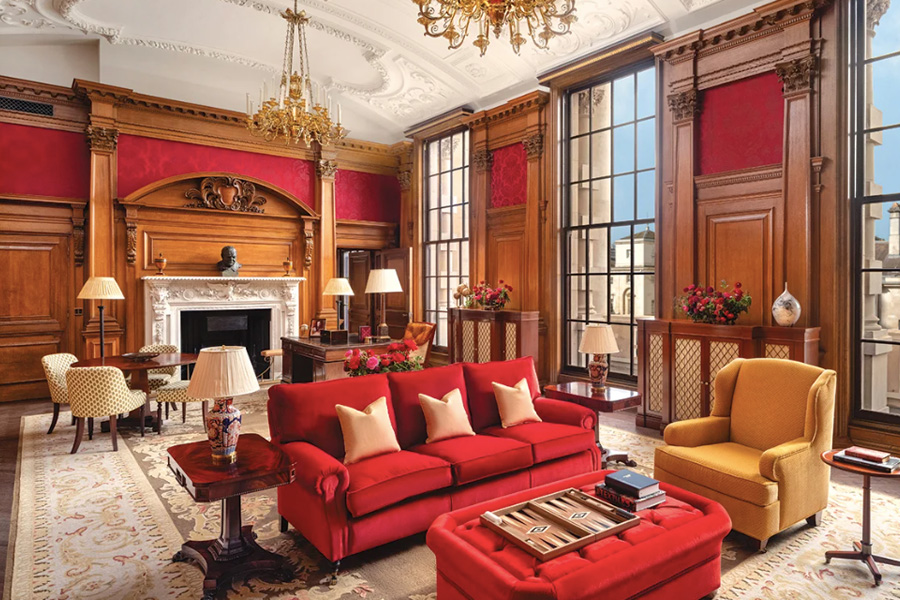
Set within the storied Old War Office, The Raffles at The OWO blends historical gravitas with contemporary finesse. Suites are thoughtfully composed, the public spaces majestic yet intimate, and the culinary program anchored by collaborations that celebrate British and international artistry. As part of a competitive set, The OWO has refined its pricing to entice discovery stays while preserving its aura. Expect curated cultural itineraries, private heritage tours, and residence-style accommodations that appeal to long-stay connoisseurs. The value lies in narrative depth—history not as a backdrop, but as a living, tailored experience.
The Peninsula London
Overlooking Hyde Park Corner, The Peninsula London presents a modern classicism—crisp lines, quiet materials, and service engineered with almost orchestral precision. The Peninsula’s legacy of chauffeur fleets, technology that disappears into elegance, and in-residence amenities makes it a natural fit for guests who see the hotel as a private home with superlative resources. Recent pricing reflects a strategic equilibrium: still premium, now paired with thoughtfully designed packages, extended-stay options, and dining experiences that showcase provenance-forward cuisine. The proposition is clarity—every detail considered, every amenity earning its place.
The Dorchester
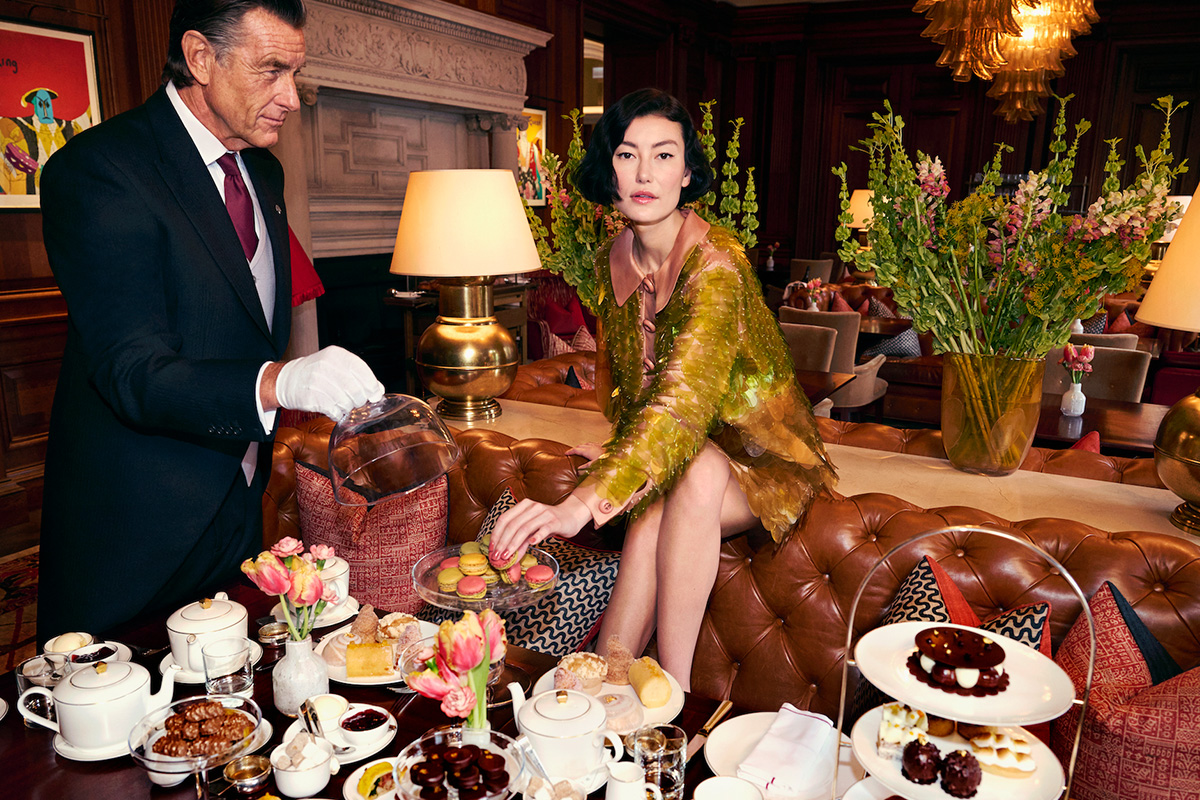
A Mayfair legend, The Dorchester has undergone refined transformations, refreshing rooms and public spaces while retaining its signature charm. The hotel’s dining institutions, floral artistry, and famed afternoon tea continue to set a standard for ritual and warmth. As rates across the city recalibrate, The Dorchester has matched the moment by emphasizing experiential richness—chef-led tastings, bespoke wellness, and family-friendly suite configurations—anchoring price in enduring brand affection and high-touch service.
How London Compares to Global Luxury Hotel Trends
London isn’t moving in isolation. Across key luxury destinations, several themes resonate:
- Gentle Rate Rebalancing: Cities such as Paris, New York, and Dubai have seen elite properties temper post-rebound ADRs while protecting brand positioning through value-added experiences rather than blunt discounts.
- Rise of Residences and Villas: Hybrid models—hotel-branded residences, villa suites, and private floors—are soaring. These formats support longer stays and attract multigenerational travel.
- Wellness Goes Scientific: The best hotels now integrate diagnostics, recovery modalities, and tailored movement programs, uniting spa serenity with clinical credibility.
- Culinary as Cultural Passport: Michelin-level craft meets ingredient provenance and local storytellers, turning dinner into a chapter of the destination rather than a separate act.
- Sustainability with Substance: Quiet luxury now includes thoughtful sourcing, efficient operations, and community engagement—practices that resonate with guests who weigh impact alongside indulgence.
The Mechanics Behind Pricing: How Hotels Are Adjusting
Package Design Over Rack Rates
Rather than slashing published rates, many luxury hotels in London introduce discreet inclusions—airport transfers, dedicated butler services, private gallery access, in-suite dining credits, or wellness consultations. The visible price feels measured; the perceived value expands.
Revenue Management with Nuance
Data-led pricing is more precise than ever, sensitive to length-of-stay patterns, day-of-week shifts, and micro-seasonality around cultural events and openings. Hotels are more agile, adjusting quickly to preserve both occupancy and rate integrity.
Fewer, Better Promotions
Limited-time offers target specific audiences—residents seeking staycations, art patrons during fair weeks, families during school holidays—each designed to maximize delight without training the market to expect discounts.
What This Means for the Discerning Traveler
For those who collect experiences rather than souvenirs, this is a moment of opportunity. London’s most coveted keys are within closer reach, not because standards have softened, but because value is being recalibrated with intelligence. Consider:
- Book longer stays to unlock residence-style rates and dedicated services.
- Seek packages that include private cultural access or tailored wellness—these often outperform straight rate reductions.
- Explore midweek arrivals for a calmer cadence and preferred suite categories.
- Engage the concierge pre-arrival with specific preferences; personalization often begins long before check-in.
Signals from The Raffles at The OWO, The Peninsula London, and The Dorchester
- The Raffles at The OWO: Heritage storytelling and bespoke cultural access are distinguishing pillars. Look for offers that weave the building’s history into private experiences.
- The Peninsula London: Precision hospitality meets understated technology. Expect integrated transport, elegant in-room controls, and offers tuned for extended stays.
- The Dorchester: A masterclass in classic London glamour with renewed interiors. Anticipate experiences anchored in ritual—dining, florals, and multi-generational hosting.
The Future of Luxury Hospitality in London
London’s luxury hotel market is moving toward a refined equilibrium: premium, purposeful, and profoundly personal. Expect the following:
- Elevated Privacy Architecture: More private entrances, secure wings, and guest-only spaces designed for quiet movement.
- Deeper Collaborations: Hotels partnering with cultural institutions, wellness innovators, and couture artisans to craft experiences that feel like membership rather than mere access.
- Residential Expansion: Suites that behave like homes, with kitchens, dining spaces, and terraces—serviced by discreet teams who understand the rhythms of extended living.
- Transparent Value: Pricing that explains itself through inclusions and craft. Less theatrical excess, more intelligent indulgence.
In the end, the luxury hotel in London is not losing its grandeur; it’s refining it. The city is turning toward a form of hospitality that whispers rather than shouts—where the linens are as soft as memory, the service anticipates the unspoken, and the price reflects not only a place to stay, but a life, briefly, lived beautifully.
Share Now
LATEST
POPULAR