

Luxury Fashion Brands Redefine Hospitality with Branded Hotels
The convergence of haute couture and haute hospitality has arrived, and it whispers of a new chapter in luxury experiences. Where once fashion houses were content to dress the world’s most discerning clientele, they now seek to cocoon them in environments that extend their aesthetic philosophy beyond the wardrobe into the very spaces where memories are made.
This metamorphosis from runway to resort suite represents more than mere brand expansion—it’s a sophisticated response to the evolving desires of ultra-high-net-worth individuals who increasingly value experiential luxury over material accumulation. The hospitality industry has become the new canvas where luxury fashion brands paint their most ambitious visions.
The Evolution of Luxury Consumption
According to the BCG x Altagamma True Luxury Report 2025, a profound shift is reshaping the luxury landscape. Ultra-high-net-worth individuals (UHNWIs) are increasingly prioritizing experiences over products, seeking moments that transcend the tangible and venture into the realm of personal transformation. This behavioral evolution has not gone unnoticed by luxury fashion brands, who recognize that true luxury lies not just in what one wears, but in how one lives.
The numbers tell a compelling story. The global population of millionaires continues its upward trajectory, creating an expanding market of individuals who seek not merely luxury goods, but luxury experiences that resonate with their personal narratives. These discerning travelers don’t simply want a beautiful hotel room—they desire an environment that speaks the same aesthetic language as their personal style.
This shift has created fertile ground for luxury fashion brands to extend their influence beyond traditional retail boundaries. By entering the hospitality sector, these brands offer something unprecedented: complete lifestyle immersion rather than episodic luxury purchases.
Pioneering Presence in Hospitality
The marriage between luxury fashion brands and hospitality began with tentative steps but has evolved into bold, architectural statements that redefine what it means to stay somewhere truly extraordinary.
Bulgari Hotels: Italian Excellence Refined
Bulgari’s foray into hospitality exemplifies how a jewelry house can translate the precision of gem-cutting into the art of hospitality. The brand’s hotels in London, Milan, Dubai, Beijing, Shanghai, and the upcoming properties in Tokyo and Rome represent more than accommodations—they are sanctuaries where Italian craftsmanship meets contemporary luxury.
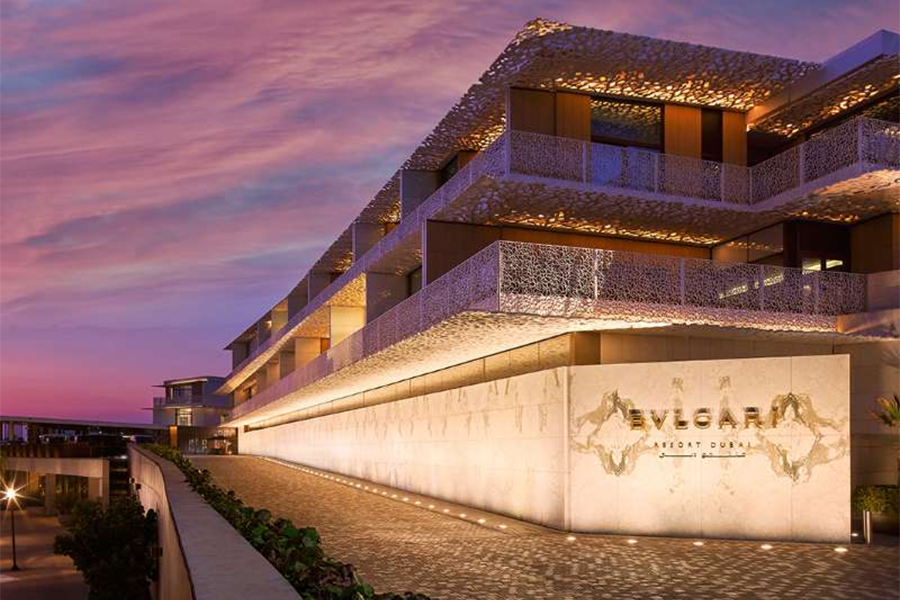
Each Bulgari Hotel bears the unmistakable signature of the Roman jeweler’s aesthetic philosophy. From the carefully curated materials that echo the brand’s commitment to exceptional quality to the attention to detail that mirrors the precision required in creating their finest timepieces, these properties offer guests an immersive brand experience that extends far beyond traditional hospitality.
The success of Bulgari Hotels has established a template for how fashion brands can authentically translate their design language into hospitality spaces without compromising their core identity.
Versace: Baroque Grandeur Reimagined
The Palazzo Versace properties in Australia and Dubai stand as testament to how maximalist fashion can create equally captivating hospitality experiences. Here, Versace’s signature baroque sensibility—with its bold patterns, rich textures, and unapologetic opulence—finds new expression in resort settings.
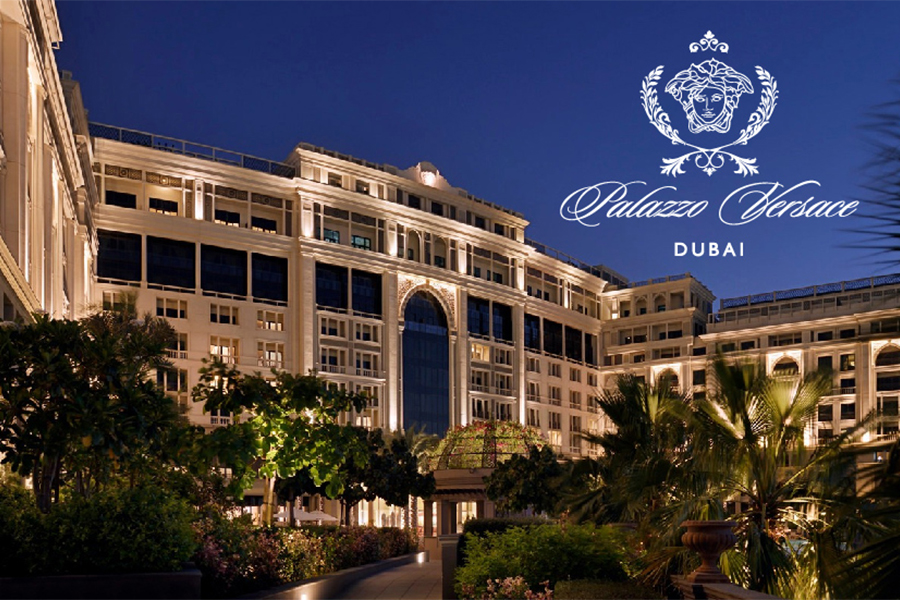
These properties don’t merely display Versace aesthetics; they inhabit them. From custom Versace home furnishings to interiors that pulse with the same energy as a Versace runway show, guests find themselves living within the brand’s creative vision. The experience transcends traditional hotel stays, offering instead a complete immersion in the Versace universe.
Christian Dior: Wellness Meets Couture
The Eden Roc hotel in Portofino houses a Dior spa that represents the fashion house’s sophisticated approach to wellness luxury. This isn’t simply a spa that happens to use Dior products—it’s a carefully crafted environment where the brand’s understanding of beauty, refinement, and personal care creates a holistic wellness experience.
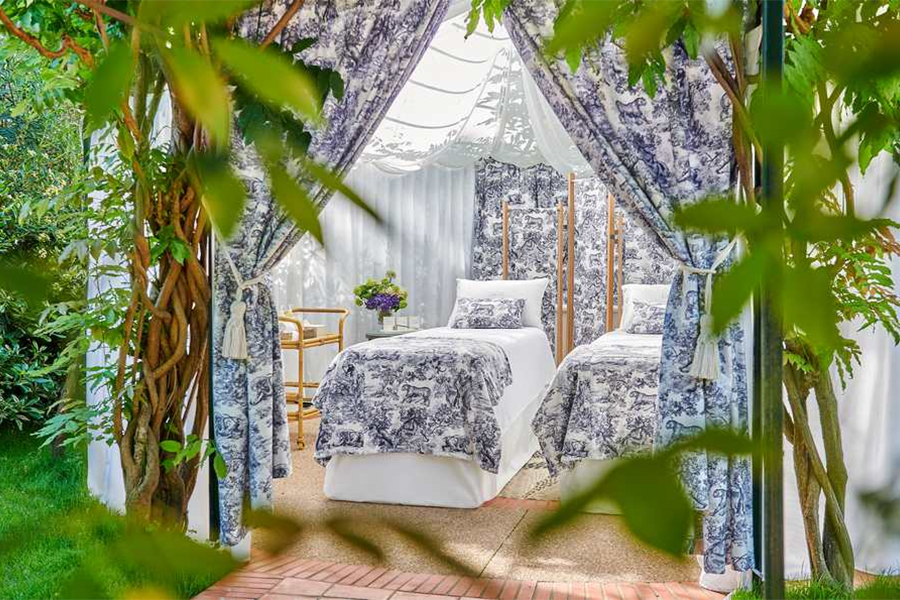
The space embodies Dior’s commitment to elegance while introducing guests to a new dimension of the brand’s expertise. It demonstrates how luxury fashion brands can extend their influence into wellness and personal care in ways that feel authentic to their heritage while offering something genuinely new.
The Future of Fashion Hospitality
Louis Vuitton's Ambitious Vision
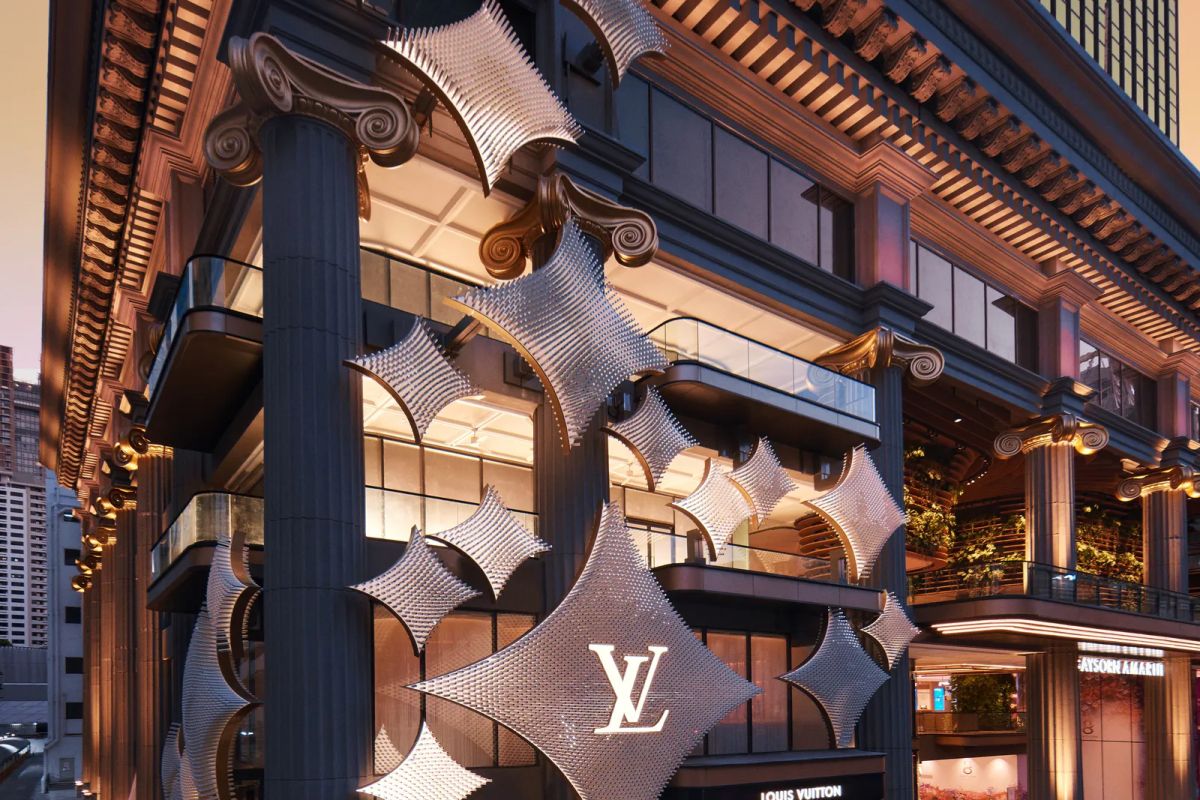
Perhaps no development in luxury fashion hospitality generates more anticipation than Louis Vuitton’s upcoming hotel project. While details remain carefully guarded, the mere announcement signals the brand’s serious commitment to hospitality as a natural extension of its luxury travel heritage.
Louis Vuitton’s relationship with travel runs deeper than luggage—it’s woven into the brand’s DNA. From its origins as a trunk maker for the aristocracy to its contemporary status as a symbol of sophisticated travel, Louis Vuitton possesses an authentic connection to the hospitality experience that few brands can claim.
The brand’s upcoming hotel represents more than expansion; it’s a return to roots, offering travelers the same level of craftsmanship and attention to detail that has made Louis Vuitton luggage the choice of discerning travelers for over a century.
The Market Landscape
The luxury hospitality market continues its robust expansion, with industry analysts projecting significant growth driven by the increasing number of high-net-worth individuals globally. This growth creates opportunities for fashion brands to capture a larger share of their customers’ luxury spending by offering integrated lifestyle experiences.
The success of existing fashion-branded hotels has demonstrated that guests are willing to pay premium rates for accommodations that offer complete brand immersion. This willingness to pay extends beyond simple brand loyalty—it reflects a desire for experiences that align with personal identity and aesthetic preferences.
Creative Collaborations and Unique Offerings
Beyond permanent hotel properties, luxury fashion brands are exploring innovative partnerships that bring their aesthetic vision to hospitality experiences in new and unexpected ways.
Diane von Furstenberg at Hotel Amigo
The collaboration between Diane von Furstenberg and Brussels’ Hotel Amigo demonstrates how fashion brands can create intimate, boutique experiences that reflect their design philosophy. The DVF suite at this historic property showcases how a fashion designer’s eye for color, pattern, and comfort can transform traditional hospitality spaces.
This approach allows fashion brands to test hospitality concepts without the massive investment required for standalone properties. It also creates exclusive experiences that feel both special and accessible to brand loyalists.
Missoni Resort Club: Mediterranean Sophistication
The Missoni Resort Club in Sicily represents a different model entirely—a destination that embodies the Italian fashion house’s approach to leisure and lifestyle. Here, Missoni’s signature patterns and color palettes create an environment where fashion and vacation seamlessly merge.
The property showcases how fashion brands can create hospitality experiences that feel like natural extensions of their aesthetic world. Guests don’t simply stay at a Missoni property—they live within the Missoni lifestyle for the duration of their visit.
Michael Kors and Montauk Yacht Club
The partnership between Michael Kors and Montauk Yacht Club demonstrates how American fashion brands can bring their interpretation of luxury to hospitality settings. This collaboration emphasizes the relaxed sophistication that defines the Michael Kors aesthetic, translated into a resort experience that captures the essence of American coastal luxury.
These partnerships show that fashion brands don’t need to build hotels from scratch to create meaningful hospitality experiences. Strategic collaborations can achieve brand extension goals while minimizing risk and investment.
The Psychology of Brand Extension
The success of luxury fashion brands in hospitality reflects deeper psychological principles about how consumers relate to brands they love. For ultra-high-net-worth individuals, brand relationships often transcend simple product purchases—they become part of personal identity.
When someone chooses to wear Bulgari jewelry or carry a Louis Vuitton bag, they’re making a statement about their taste, values, and position in the world. The opportunity to extend this relationship into travel experiences represents a natural evolution of brand loyalty.
Fashion-branded hotels offer something traditional luxury hotels cannot: complete aesthetic coherence that aligns with guests’ existing brand relationships. This coherence creates a sense of coming home, even in foreign destinations.
Challenges and Opportunities
The transition from fashion to hospitality presents unique challenges that require careful navigation. Fashion brands must maintain their core aesthetic identity while adapting to the practical requirements of hospitality operations. The balance between brand expression and guest comfort requires sophisticated understanding of both industries.
However, the opportunities are substantial. Fashion brands bring established relationships with precisely the demographic that luxury hotels seek to attract. Their existing customer base represents a ready-made market for hospitality experiences, reducing the customer acquisition costs that traditional hotel brands face.
The Road Ahead
As luxury fashion brands continue to expand their presence in hospitality, we can expect to see increasingly sophisticated approaches to brand extension. The early successes have proven the concept’s viability, paving the way for more ambitious projects.
The future likely holds more comprehensive lifestyle destinations where fashion brands create complete environments that reflect their aesthetic vision. These properties will go beyond hotels to encompass retail, dining, wellness, and entertainment—creating brand universes that guests can inhabit completely.
The convergence of luxury fashion brands and hospitality represents more than a business trend—it signals a fundamental shift in how luxury is conceived and consumed. In a world where experiences increasingly define status, fashion brands that successfully translate their aesthetic vision into hospitality experiences position themselves at the forefront of luxury’s evolution.
For the discerning traveler, this evolution promises destinations that speak not just to their need for comfort and service, but to their deepest aesthetic sensibilities. In these spaces, every detail—from the thread count of the sheets to the curve of a chair—carries the same attention to beauty and craftsmanship that defines luxury fashion at its finest.
The journey from fashion house to hotel has only just begun, but already it’s clear that this convergence will redefine what luxury hospitality can be. In the hands of the world’s most celebrated fashion brands, hotels become more than places to stay—they become sanctuaries of style, where the art of living finds its most elegant expression.
Share Now
LATEST
POPULAR