

Leadership Transition at Valentino and the Future of Luxury Fashion Brands
The world of luxury fashion brands is defined not only by collections and craftsmanship but also by the vision of its leaders. This week, the Roman house of Valentino confirmed that Jacopo Venturini will step down as CEO after five years, leaving both opportunities and challenges for one of fashion’s most storied maisons. For the 1%, the announcement raises questions about the brand’s direction at a time when leadership, creativity, and global positioning are more critical than ever.
A Strategic Exit Amid Shifting Currents
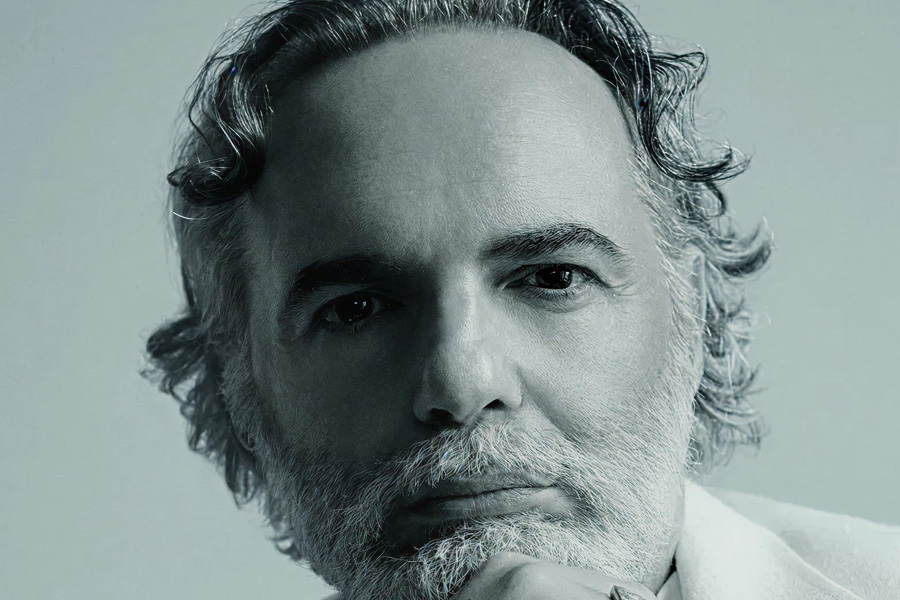
Valentino issued a brief statement confirming Venturini’s departure effective August 13, citing personal reasons and a mutual agreement to end his role. A successor has yet to be announced. For a maison with a legacy of couture excellence and cultural impact, the choice of its next CEO will not only determine its growth trajectory but also influence how Valentino competes with other leading luxury fashion brands.
Venturini, who began his tenure in June 2020 after a successful career at Gucci, worked closely with creative director Pierpaolo Piccioli until 2024 before collaborating with Alessandro Michele, who recently joined Valentino. His leadership coincided with both triumphs and turbulence: the pandemic recovery period, a challenging global retail environment, and the continued consolidation of power among luxury conglomerates.
The Financial Context
Valentino, majority-owned by Mayhoola, faced financial headwinds in 2024 with sales declining by 2 percent to €1.31 billion and EBITDA falling 22 percent year-on-year to €246 million. These results mirror broader market corrections identified in the 2025 BCG x Altagamma True Luxury Global Consumer Insights Report, which noted that despite long-term growth projections, short-term volatility is impacting fashion houses.
For UHNWIs, who make up a significant share of luxury consumption, these shifts are more than numbers. Wealth-X reports that the global UHNWI population reached 426,300 individuals in 2024, holding a combined net worth of $53 trillion. Their discretionary spending on luxury fashion brands remains a key driver of sector resilience, even during downturns. Valentino’s next CEO will need to balance the maison’s heritage with the expectations of these elite consumers, who demand both innovation and integrity.
The Kering Factor
Another layer of intrigue lies in Valentino’s future ownership. In 2023, Mayhoola sold a 30 percent stake in Valentino to Kering, with an option for the French luxury group to acquire the remainder by 2028. With Luca de Meo set to assume the role of Kering CEO in September, analysts are already speculating whether the original deal terms could evolve. Kering’s integration of Valentino would solidify its positioning alongside LVMH as a titan of global luxury, reshaping the competitive landscape for luxury fashion brands.
For UHNWIs, who increasingly view luxury as both a cultural marker and an investment class, such moves hold symbolic weight. Consolidation often brings scale, but it also risks diluting the distinctive identity of maisons that thrive on exclusivity. Valentino’s trajectory in the coming years will reveal how it preserves its individuality while leveraging the financial and operational muscle of a conglomerate.
What the 1% Expect Next
The next CEO of Valentino will inherit not only a celebrated legacy but also the responsibility of reconnecting the brand with growth. Beyond financial performance, UHNWIs expect maisons to reflect their own values of discretion, artistry, and long-term vision. According to BCG x Altagamma, over 60 percent of affluent consumers now prioritize sustainability, craftsmanship, and cultural resonance in their fashion choices.
For the 1%, Valentino remains more than a label; it is an emblem of refined Roman glamour, interwoven with couture tradition and a bold artistic edge. The maison’s ability to navigate leadership transitions, align with evolving values, and remain competitive among luxury fashion brands will determine how it sustains its allure for the world’s most discerning audience.
A Turning Point
As Valentino enters this new chapter, the departure of Jacopo Venturini underscores a broader truth about luxury: leadership defines legacy. In an industry where the 1% drive cultural and economic momentum, the maison’s next steps will not only shape its destiny but also offer insights into the evolving dynamics of global luxury fashion brands.
Share Now
LATEST


POPULAR