

Armani Faces $4 Million Fine from Italian Authorities
Luxury fashion brands have long embodied elegance, exclusivity, and a commitment to craftsmanship. Yet, recent events have highlighted a pressing reality for these industry giants-the need to balance artistry with accountability.
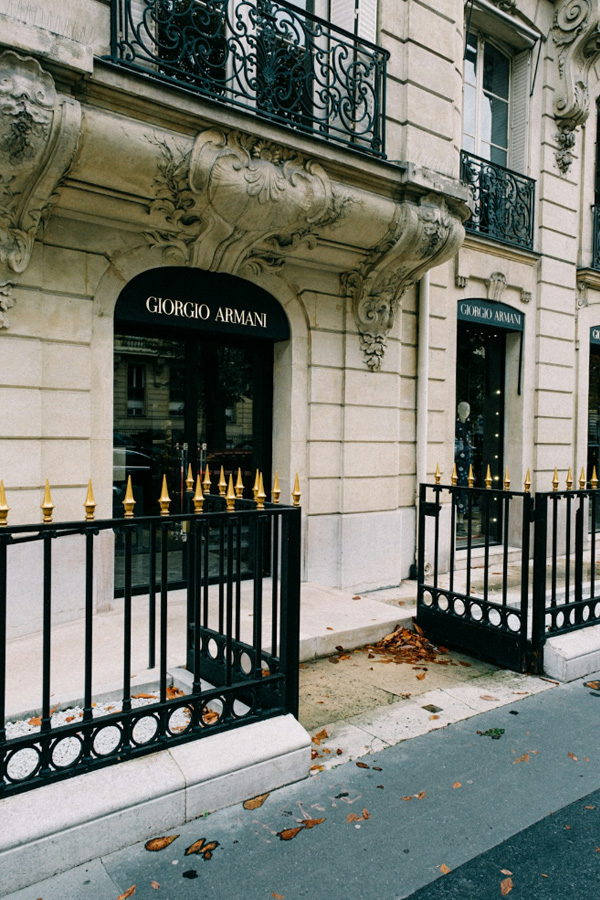
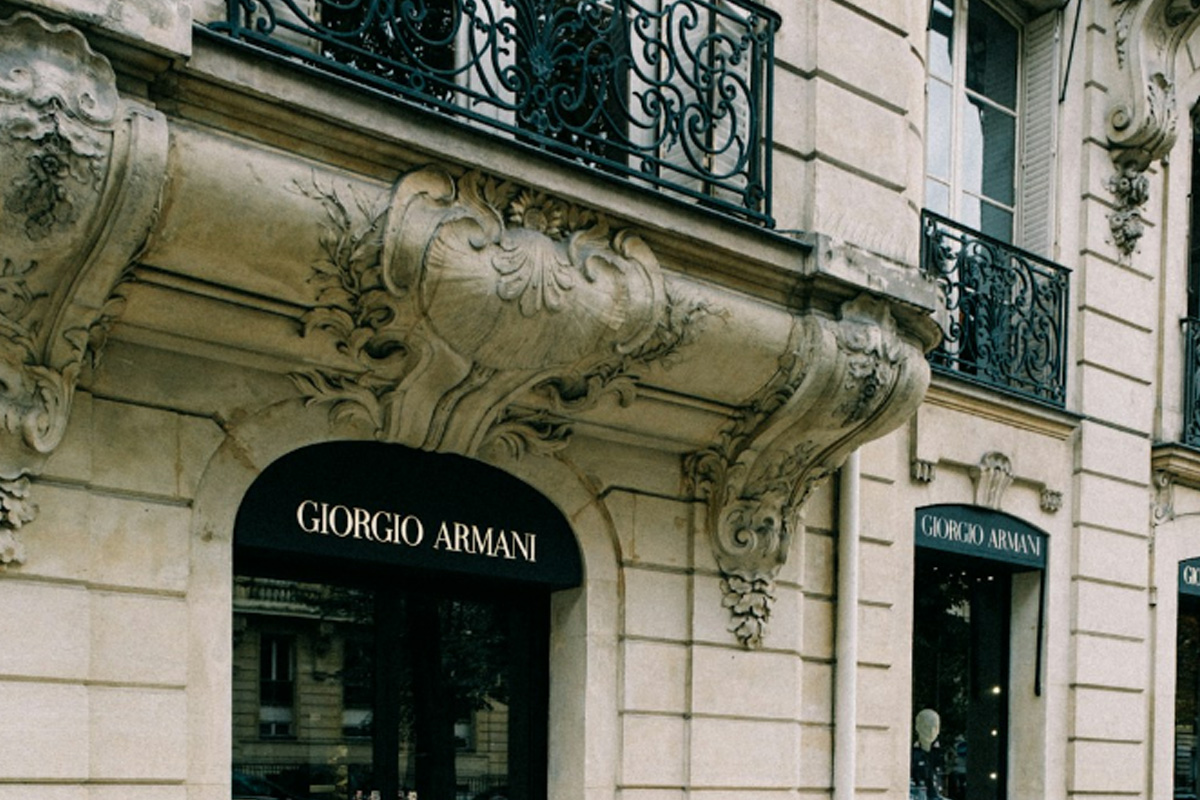
The Giorgio Armani Group, a pillar of the global fashion landscape, became the latest name to face scrutiny after being fined $4 million by Italian authorities over allegations of labor violations and misleading sustainability claims.
This moment serves as more than a regulatory wake-up call. It reflects the growing expectations of the world’s wealthiest consumers, signaling a profound shift in how they value the brands they wear and support.
Prestige Under Pressure
The Armani name has stood for timeless design and understated luxury for decades. However, in 2025, the Italian antitrust authority handed the company a substantial fine, citing discrepancies between its sustainability pledges and the troubling realities of its supply chain practices. The investigation unearthed violations in third-party workshops producing Armani’s leather goods, including health and safety breaches and the employment of undocumented workers.
While the Armani Group has denied these accusations and pledged to appeal, the incident underscores a broader trend. Luxury fashion brands are no longer exempt from the transparency and ethical standards increasingly demanded by consumers and regulators alike. This heightened scrutiny challenges heritage brands to live up to the narratives they market—moving beyond prestige to prove integrity.
The Cost of “Made in Italy”
The “Made in Italy” label has long symbolized artisan mastery and ethical standards. Yet, recent revelations have cast a shadow over this hallmark of quality. Regulators in Italy are taking a hard look at supply chain practices, not just in fast fashion but at the very top tiers of the industry.
For instance, alongside Armani, Loro Piana—a name synonymous with exclusivity and elegance—has also faced allegations of labor abuses. At a workshop near Milan, migrant workers were reportedly subjected to inhumane conditions, working over 90 hours a week for minimal pay. Some were even found living in illegal, unsafe accommodations. These findings, coupled with the arrests of those responsible, highlight the fragile line between tradition and accountability. The notion of heritage alone is no longer sufficient to sustain consumer trust. Practices once hidden in the shadows are now influencing how both consumers and regulators view luxury fashion brands.
Bridging the Gap Between Promises and Practice
A core challenge for luxury fashion brands today lies in the disconnect between their aspirational messaging and their operational realities. Terms like “greenwashing,” which historically pointed to fast fashion, are now relevant even within the upper echelons of the industry. Consumers are paying closer attention, making it clear that authenticity matters as much as artistry.
According to the 2025 BCG x Altagamma True Luxury Global Consumer Insights Report, over 70% of luxury shoppers now expect the brands they support to uphold the highest ethical and environmental standards. For ultra-high-net-worth individuals (UHNWIs) under 45, that expectation intensifies. These are consumers who view their purchases not just as statements of style but as reflections of their values. Any ethical breach risks eroding this trust and, by extension, the brand’s cultural and financial capital. When a luxury brand fails to align its practices with its promises, the damage extends beyond reputation. It has the potential to weaken brand loyalty and dilute the aura that allows such brands to command premium pricing.
A New Era of Regulation
Luxury fashion brands are not navigating these challenges in isolation. Regulatory landscapes across Europe are shifting to demand greater accountability from the entire fashion sector. While France has focused on curbing the environmental impact of ultra-fast fashion giants like Shein and Temu, Italy has taken its regulatory lens to its most cherished luxury houses.
This signals a pan-European commitment to raising ethical and environmental standards across the board. For brands operating at the intersection of creativity and commerce, this could represent both a challenge and an opportunity. The luxury market is no longer solely defined by the opulence of its products. Today’s success lies in meeting a dual expectation—to craft timeless, beautiful pieces while ensuring impeccable transparency at every level of their operations. Achieving this delicate balance could transform challenges into opportunities and deliver rewards far beyond financial gains. These include cultural trust, investor confidence, and a lasting legacy in a highly competitive industry.
For the 1%, Values Matter
More than just a fine, the Armani Group’s $4 million penalty serves as a symbolic inflection point for luxury fashion brands. It is a reminder that prestige and integrity must go hand in hand. For the 1%, the allure of luxury is no longer restricted to the product itself; it includes the story behind the piece—one that must align with the buyer’s values.
The brands that thrive in this new era will be those that prioritize accountability as much as artistry, proving that luxury can and must coexist with ethical brilliance. This shift is not just a reaction to external pressure but a natural evolution in an industry where beauty should always be paired with conscience.
The Road Ahead
For luxury fashion brands, transparency and accountability are no longer mere accessories—they are the fabric of success. With consumer expectations rapidly evolving and regulatory bodies doubling down on enforcement, the stakes have never been higher. However, those who rise to the occasion can redefine what it means to be a luxury brand in the modern age.
By aligning authenticity with artistry, these brands can secure not only their place in the wardrobes of the wealthy but also in the hearts and minds of a clientele seeking more than just beauty. The future belongs to those who combine excellence in design with uncompromising integrity.
Share Now
LATEST
POPULAR