

Kering’s Strategic Patience with Valentino Acquisition Signals a Shift in Luxury Fashion Brands
Kering SA, one of the world’s leading luxury conglomerates, has announced an extension to its timeline for acquiring full ownership of Maison Valentino.
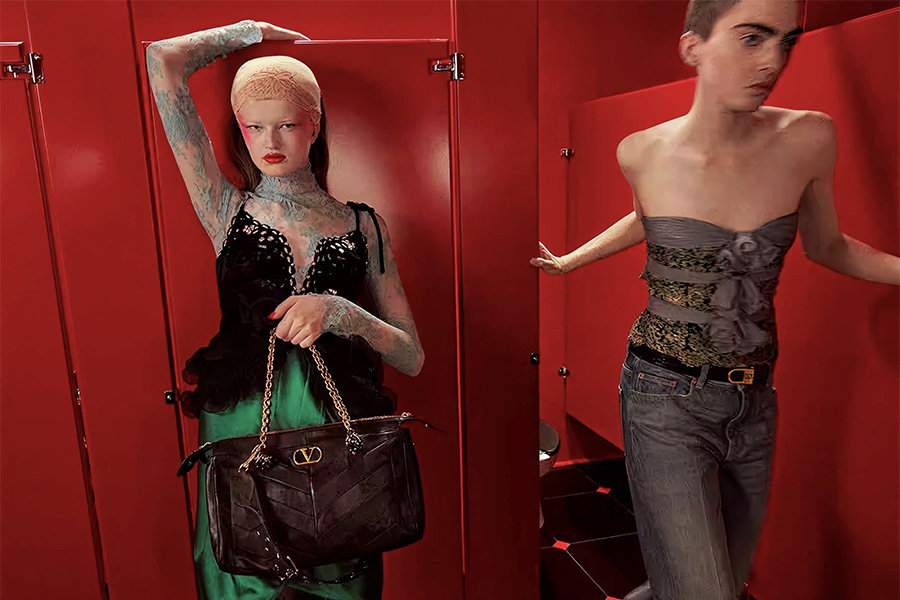
Originally slated for completion by 2028, the acquisition deadline has now been moved to 2029. This strategic decision underscores Kering’s cautious approach amid a volatile global luxury market and rising debt levels, reflecting broader industry trends that are reshaping the strategies of luxury fashion brands worldwide.
Kering and Valentino: A Calculated Partnership
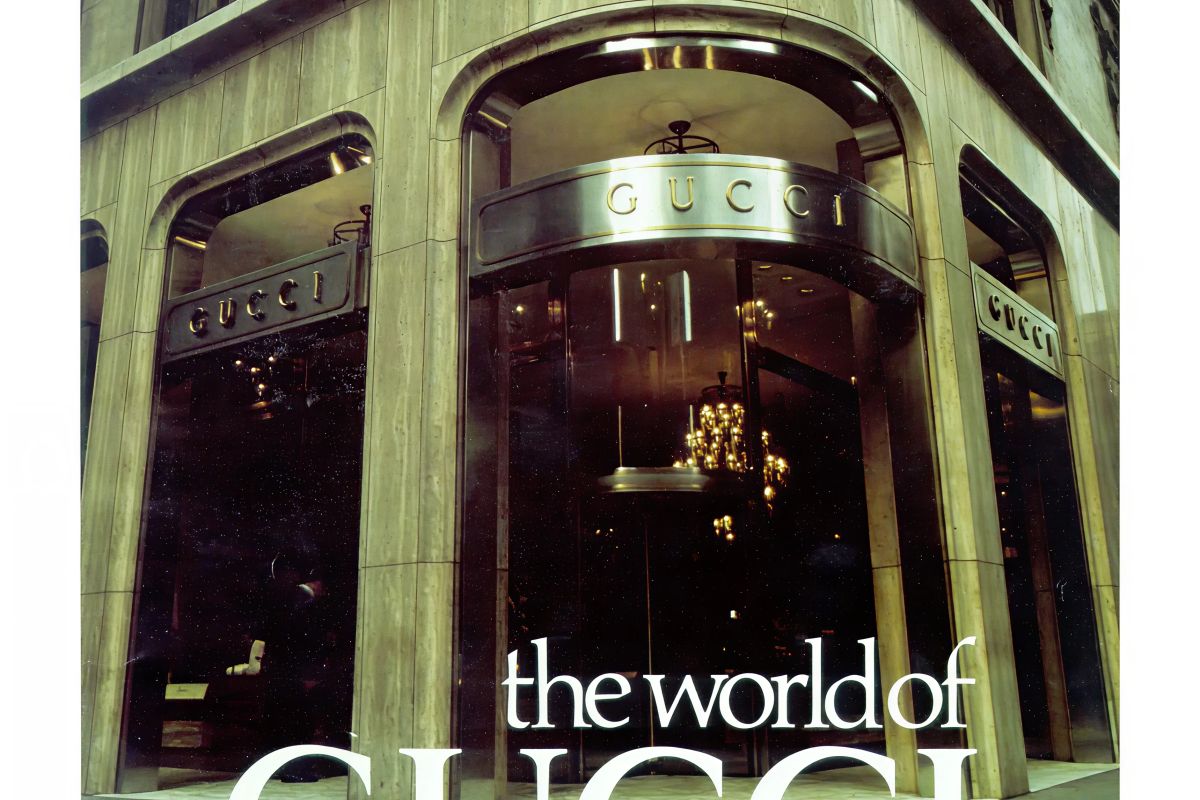
Two years ago, Kering acquired a 30 percent stake in Valentino from Qatari investment fund Mayhoola for €1.7 billion. This move was part of a deliberate effort to diversify its portfolio and reduce overreliance on Gucci, which remains Kering’s most profitable but also most vulnerable brand. With Gucci facing challenges from shifting consumer preferences and increased competition, Valentino was seen as a vital growth engine capable of appealing to a different segment of high-end clientele.
Valentino generated €1.35 billion in revenue in 2023 with a modest net income of €23.4 million, according to Kering’s latest annual report. While these figures reflect stability, they also reveal the brand’s need for reinvention and revitalization, particularly as luxury demand softens globally. The 70 percent stake still held by Mayhoola is currently valued at approximately €4 billion, with final pricing to be adjusted based on Valentino’s future performance.
Market Dynamics and the UHNWI Influence
The luxury sector has faced headwinds in recent quarters. According to the 2025 BCG x Altagamma True Luxury Global Consumer Insights Report, the global population of Ultra High Net Worth Individuals (UHNWIs) has surpassed 940,000, with growth projected at nine percent annually through 2030. This group, often referred to as The 1%, is responsible for driving 37 percent of luxury spending despite representing only 0.1 percent of the consumer base. Their average annual spend on personal luxury items, hospitality, and lifestyle services exceeds €360,000, reaching up to €500,000 when including luxury cars and wellness investments.
These consumers are increasingly seeking exclusive, personalized experiences rather than mass-market offerings. For luxury fashion brands like Valentino, aligning with the values of the 1%—craftsmanship, heritage, and innovation—is essential to remain competitive. However, the current macroeconomic environment, marked by geopolitical tensions, tariffs, and a slowdown in China and the US, has prompted even these top-tier consumers to adopt more cautious spending habits.
Strategic Patience Amid Debt and Market Volatility
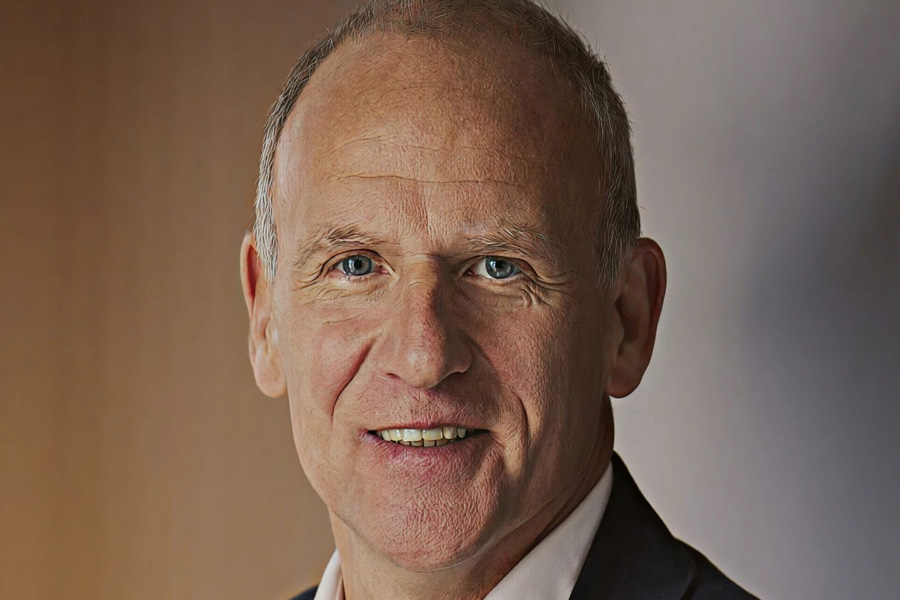
Kering’s decision to delay the full acquisition reflects its focus on financial discipline. The group’s net debt increased by 24 percent in 2024, reaching €10.5 billion. By extending the timeline, Kering aims to stabilize its balance sheet while continuing to integrate Valentino gradually. Incoming CEO Luca de Meo has identified debt reduction and cost control as top priorities, signaling a more measured approach to expansion in a challenging economic climate.
This move also gives Kering time to evaluate Valentino’s performance under its current management and creative direction. Valentino has experienced significant leadership changes in recent years, including the appointment of Alessandro Michele as creative director and the departure of CEO Jacopo Venturini. These shifts come at a time when demand for high-end fashion is softening, making it critical for the brand to establish a clear identity and growth strategy before becoming fully absorbed into Kering’s portfolio.
The Future of Luxury Fashion Brands
The Valentino deal is emblematic of a broader evolution in the luxury industry. Luxury fashion brands are no longer solely competing on products but on entire ecosystems of experience. From branded hotels and lifestyle collaborations to exclusive pop-ups and digital-first campaigns, brands must meet UHNWIs where they live, travel, and invest. Louis Vuitton’s expansion into hospitality and Dior’s curated wellness journeys illustrate how traditional houses are redefining their value propositions.
For Kering, Valentino represents both a challenge and an opportunity. By taking a longer view, the group can position Valentino as a pillar of its future strategy while navigating the complexities of today’s luxury landscape. With the global luxury market projected to attract over 300 million new consumers within the next five years, driven by younger generations and emerging markets, patience may ultimately yield greater rewards.
Conclusion
The extension of Kering’s timeline to acquire Valentino highlights the delicate balance between ambition and prudence in the world of luxury fashion brands. As the 1% continue to shape the market through their discerning tastes and substantial spending power, brands must evolve thoughtfully. For UHNWIs, this signals a future where heritage and innovation converge, and where every acquisition and investment is as much about cultural influence as it is about financial performance.
Share Now
LATEST
POPULAR