

Swiss Luxury Watches Face Headwinds as Tariffs and China Slowdown Impact Global Sales
In a rare moment of turbulence for an industry long synonymous with stability and prestige, Swiss luxury watch exports plunged by 17 percent in August, revealing the mounting pressures of global trade tensions and weakened Chinese demand. For collectors and connoisseurs within the One Percent, this signals both caution and opportunity.
A New Era of Geopolitical Pricing
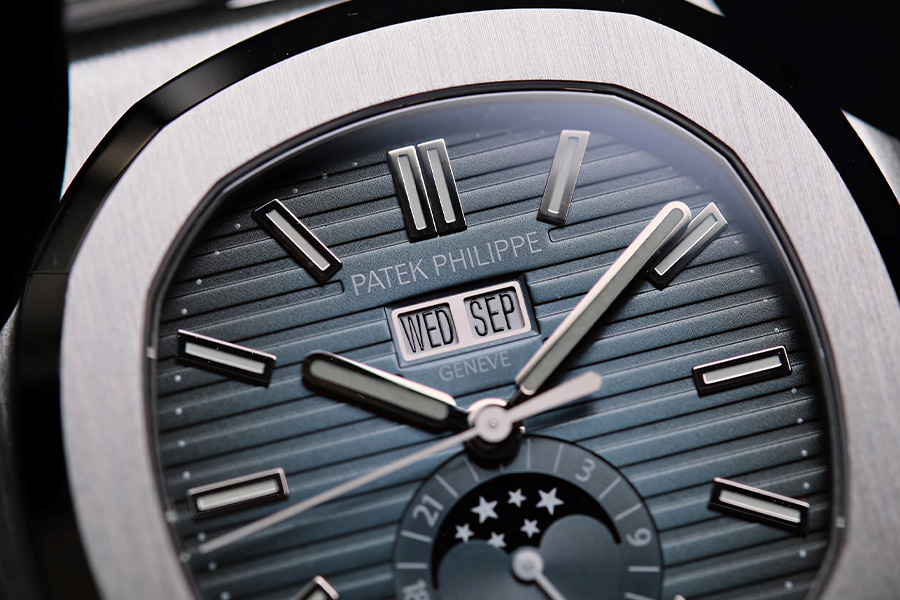
The most staggering shift? A 39 percent US tariff on Swiss timepieces — including brands like Rolex, Omega, and Patek Philippe — that officially came into effect this August. Introduced by President Trump, the levy is notably higher than tariffs applied to the European Union and other developed economies, making it a watershed moment in luxury watches trade dynamics.
While many Swiss watchmakers — from Richemont to Swatch Group, and independents like Audemars Piguet — moved inventory ahead of the deadline, the numbers reveal a painful correction. Exports to the US dropped by 24 percent, despite it being the largest global market for Swiss watches. China, meanwhile, posted a 36 percent decline, compounding concerns in an already cooling luxury sector.
Market Realignment for the One Percent
For Ultra High Net Worth Individuals, this moment marks more than a macroeconomic footnote — it’s a signal of a shifting global supply chain. According to Knight Frank, there are now over 427,000 UHNWIs globally, and their purchasing power increasingly drives the direction of the luxury watches market.
However, the rising cost of Swiss imports may reshape what ownership and investment in haute horology look like, especially in the United States. As pricing pressure escalates, we expect greater emphasis on rarity, exclusivity, and provenance. Limited editions, boutique-only releases, and heritage pieces will likely become the primary focus of savvy UHNWI collectors navigating this new normal.
Creative Resistance and Brand Storytelling
Some brands are turning adversity into innovation. Swatch recently unveiled a “Tariff Edition” priced at 139 CHF, with reversed numerals three and nine — a playful nod to the 39 percent tax. Available only in Switzerland, the watch will be discontinued once a trade agreement is reached, showcasing how even accessible brands are embracing symbolic storytelling in an uncertain climate.
This playful protest also points to a deeper truth: in the luxury watches world, symbolism and scarcity are not merely marketing tools — they are currency.
Beyond the Headlines: What UHNWIs Should Know
While analysts like Jean-Philippe Bertschy of Vontobel warn that this downturn “largely negates” recent hopes for a rebound in Chinese and US demand, the long-term outlook for luxury watchmakers remains nuanced. Recent Bain & Altagamma data forecasts continued growth in the UHNWI segment, with over 300 million new luxury consumers expected globally within the next five years, fueled by generational wealth transfer and emerging markets.
In this context, today’s slowdown may simply represent a recalibration — not a collapse.
Strategic Implications for Collectors
For the One Percent, this moment is not about panic but positioning. As brands adjust pricing strategies, recalibrate supply chains, and potentially prioritize direct-to-client sales, informed UHNW collectors may find exceptional value in the short term — particularly in pre-owned or vintage markets, where pricing is more insulated from geopolitical volatility.
Final Thought
The future of Swiss luxury watches lies at the intersection of policy, passion, and precision. While the trade winds may have shifted, the timepieces that speak to heritage, artistry, and innovation will continue to resonate — not despite the turmoil, but because of it.
Share Now
LATEST
POPULAR

The latest trade data highlights the international influence of the UK's distilling expertise while reinforcing the long term appeal of collectible spirits for The 1%.
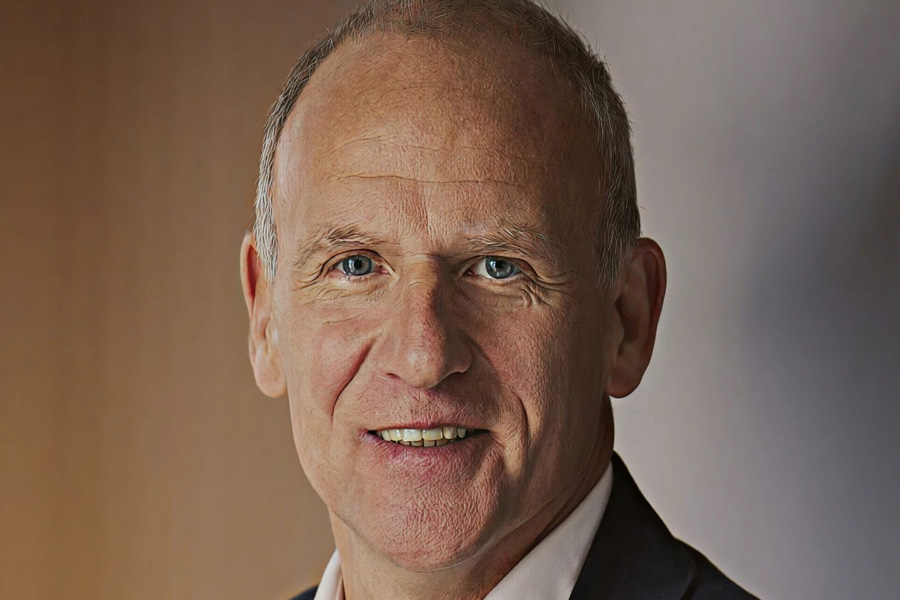
Diageo, among the world's most distinguished premium drinks companies, now enters a new chapter under the leadership of CEO Sir Dave Lewis.
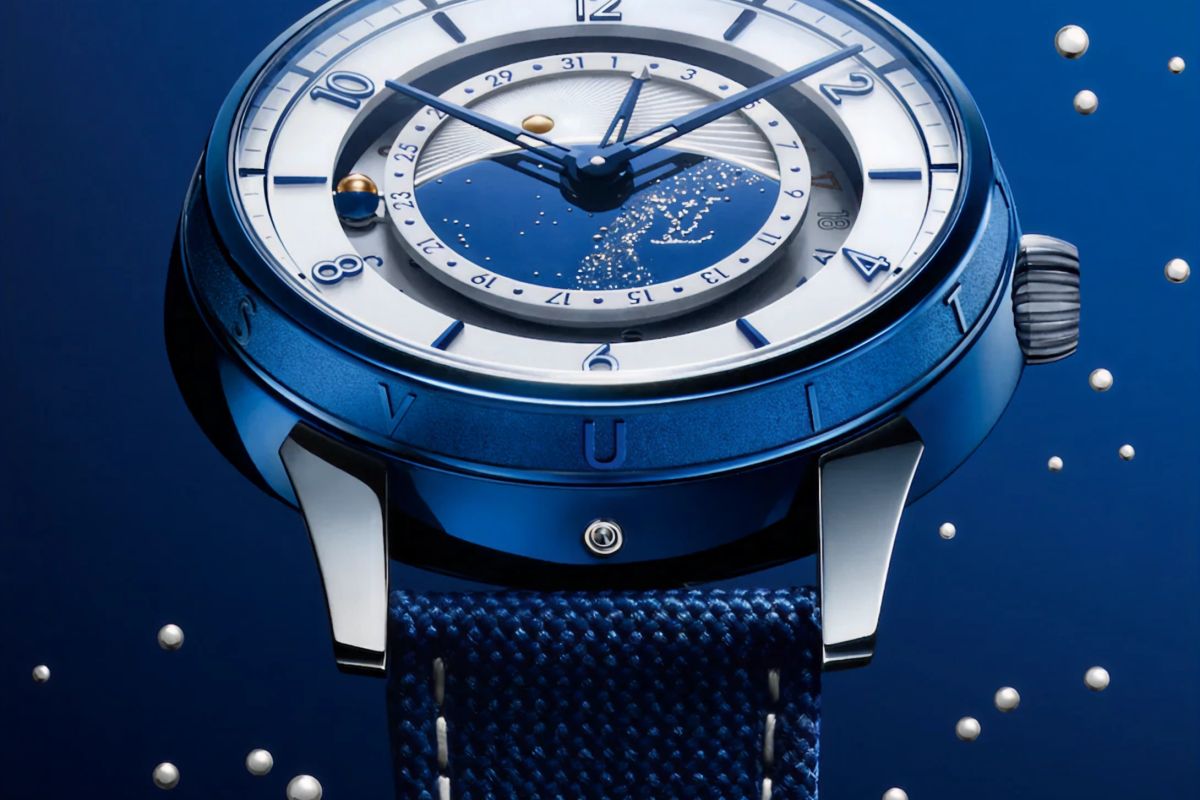
The collaboration brings together the storied Maison and independent master watchmaker Denis . . .