

Mandarin Oriental’s $4.2 Billion Move Signals a New Era of Private Power in Luxury Hotels
In a defining moment for the luxury hospitality sector, Mandarin Oriental is officially going private at a $4.2 billion valuation, following its acquisition by Jardine Matheson, the 193-year-old Asian powerhouse with deep holdings in real estate, finance, and global commerce.
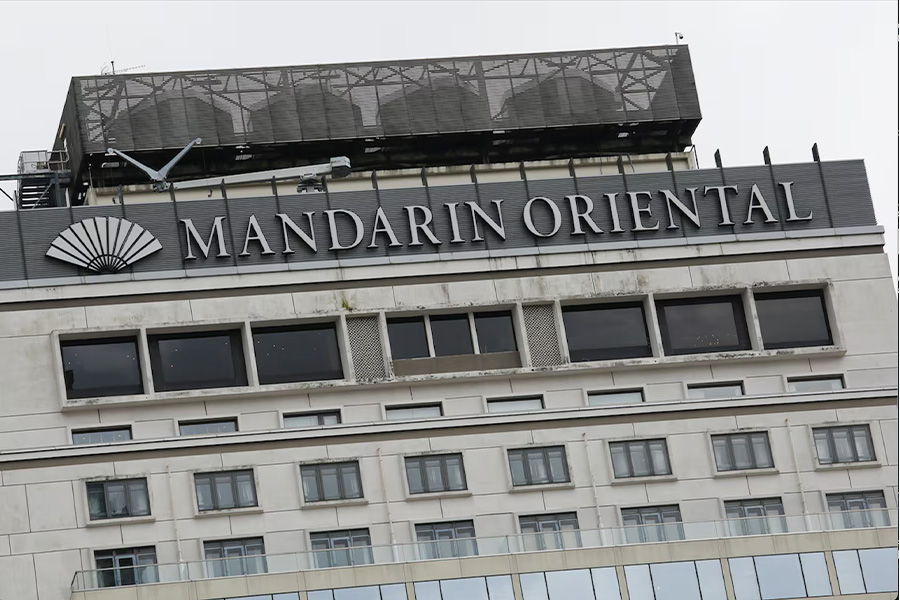
This transition is not just a transaction. It is a strategic repositioning for the future of luxury hotels, ownership exclusivity, and the rapidly evolving expectations of the world’s most discerning travelers.
For Ultra High Net Worth Individuals, who now collectively control over $81 trillion in private wealth according to the 2025 Knight Frank Wealth Report, luxury has never been simply about service. It is now about access, privacy, and personal relevance. Mandarin Oriental is moving precisely into that territory. Full private ownership offers room to operate beyond the scrutiny of quarterly earnings and market fluctuations, allowing the group to innovate at the speed of desire, not the pace of shareholder patience.
A Strategic Power Shift in Global Hospitality
Mandarin Oriental currently operates 43 luxury hotels, 12 branded residences, and 26 private luxury homes across 27 of the world’s most influential cultural and financial capitals. From Hong Kong to New York, Paris to Dubai, the brand has become synonymous with cultivated discretion, not excess. Its decision to delist enables the company to expand, curate, and evolve toward the new standard of elite travel: private, experiential, hyper-personal.
The acquisition follows Mandarin Oriental’s sale of the top 13 floors of its One Causeway Bay flagship in Hong Kong to Alibaba and Ant Group for $925 million, a strategic signal of capital restructuring and renewed focus on its highest-performing global properties.
Why This Matters to The One Percent
Sixty-eight percent of UHNW travelers say that brand equity alone is no longer enough. What matters is customization, insider access, and emotional depth anchored in a sense of irreplaceability. Mandarin Oriental is uniquely positioned to lead that shift because it has operated long before hospitality became content-driven. Its legacy is not marketing. Its legacy is memory.
Full private control gives Mandarin Oriental the freedom to:
- Accelerate the expansion of residences and private branded homes, now the fastest-growing luxury asset class
- Reinvent flagship city hotels into invitation-only cultural sanctuaries rather than public lobbies
- Shift toward quiet brand power over mass presence, following the same trajectory as Hermès and Loro Piana
- Invest further into multi-generational loyalty architecture, especially for UHNW Asian and Middle Eastern clientele
The Future of Luxury Hotels Begins Here
The global luxury hotel market is projected to exceed $146 billion by 2030, powered by the fastest-growing demographic in wealth history: self-made UHNW entrepreneurs between 35 and 55. These travelers expect control over environment, narrative, and time.
Mandarin Oriental’s move away from public markets is symbolic of a broader truth:
Luxury is no longer about being seen. It is about who is allowed inside.
As the group prepares for delisting by 2026, insiders expect a new wave of cultural, architectural, and strategic flagship expressions — less hospitality, more private worldbuilding.
Mandarin Oriental is not trying to win the hotel race.
It is quietly rewriting the category.
Share Now
LATEST
POPULAR
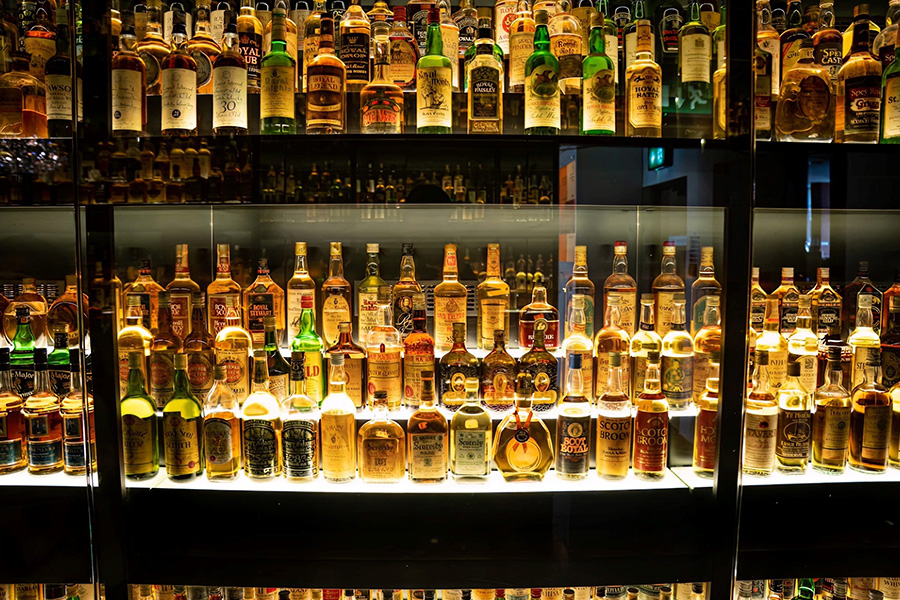
The latest trade data highlights the international influence of the UK's distilling expertise while reinforcing the long term appeal of collectible spirits for The 1%.
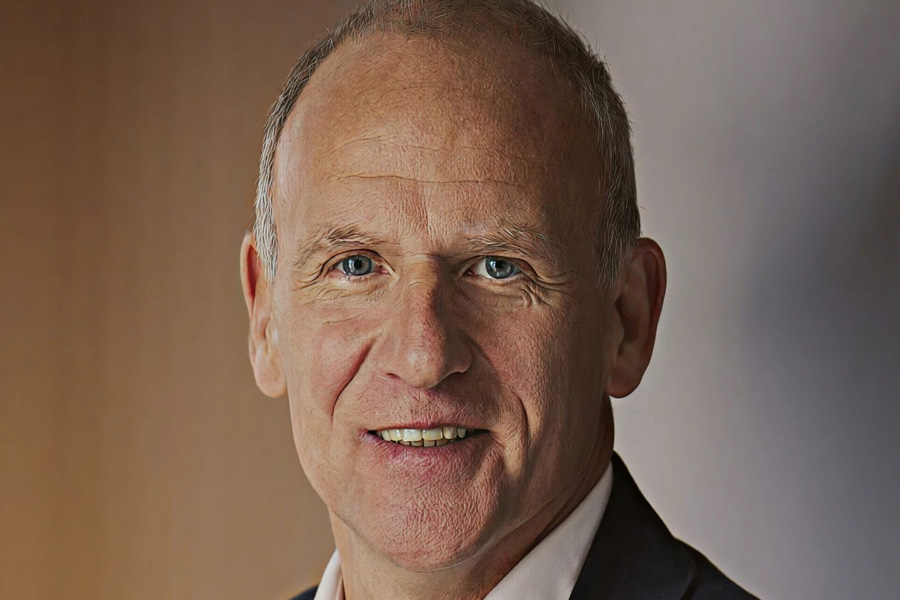
Diageo, among the world's most distinguished premium drinks companies, now enters a new chapter under the leadership of CEO Sir Dave Lewis.
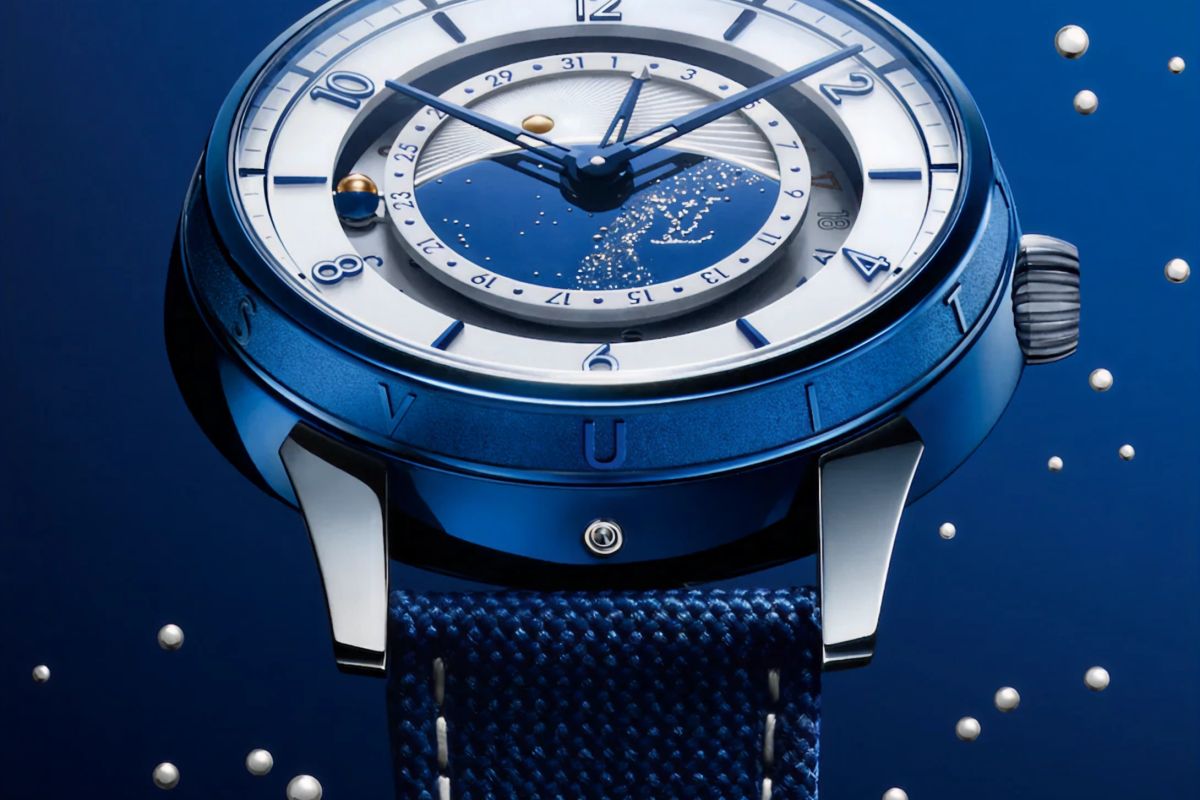
The collaboration brings together the storied Maison and independent master watchmaker Denis . . .