

Giorgio Armani Appoints New CEO as Leadership Transition Signals a New Era for Luxury Fashion Brands
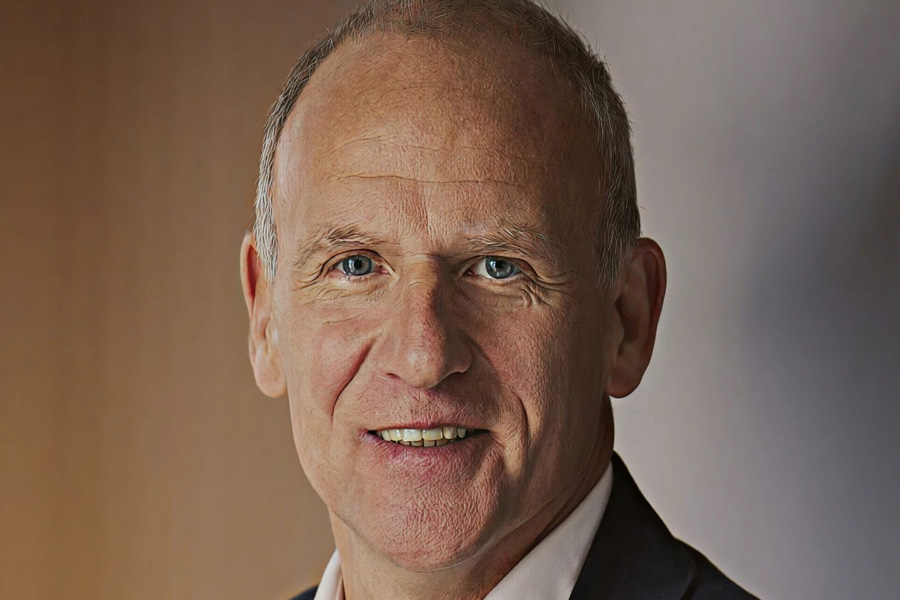
Giorgio Armani has officially appointed Giuseppe Marsocci as the new chief executive officer of the fashion house, marking the beginning of the brand’s next strategic phase following the passing of its legendary founder.
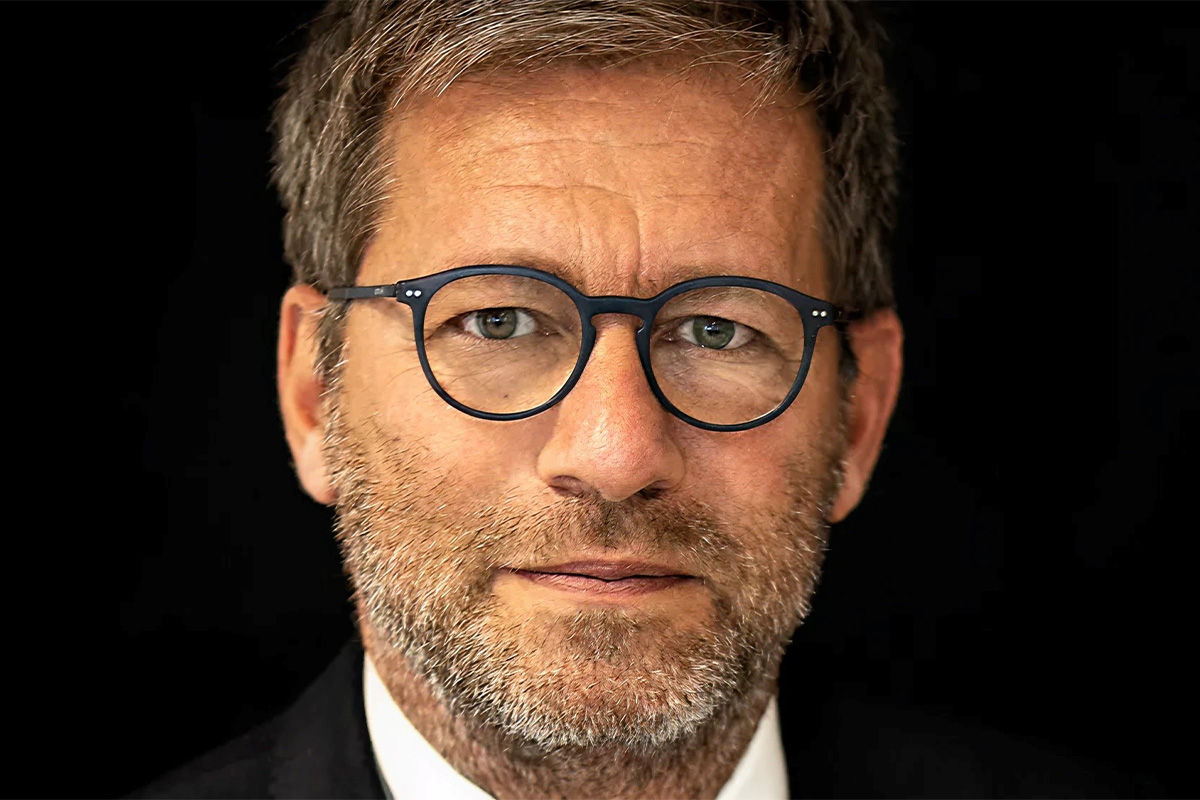
Marsocci, who has been with the company for more than two decades and most recently served as Global Chief Commercial Officer, steps into the role with immediate effect as Armani prepares for a pivotal transition in ownership and long-term vision.
Marsocci’s appointment is widely seen as one rooted in continuity rather than disruption. His deep industry knowledge, longstanding proximity to Giorgio Armani, and expertise in navigating global luxury markets make him an intentional selection for preserving the values that transformed Armani into one of the most influential luxury fashion brands in the world. The company confirmed that the decision was unanimously supported by the Giorgio Armani Foundation, which holds a majority of the group’s voting power.
The succession plan comes at a time when the luxury fashion industry is entering what many analysts describe as a new consolidation cycle. Global demand from Ultra High Net Worth Individuals continues to expand internationally, with today’s UHNW consumers accounting for nearly 40 percent of luxury sector value growth according to recent market studies. Market reports indicate that the number of UHNWIs worldwide has surpassed 400,000 individuals, with an expected compound annual growth rate of 5 to 7 percent through 2030. Asia, the Middle East, and the United States remain the strongest spenders, with private shopping, brand equity preservation, and heritage ownership being key purchase motivators in this demographic.
Within this context, Armani is preparing for strategic ownership restructuring. As outlined in the founder’s will, Marsocci will oversee the planned sale of a 15 percent stake in the company. Priority will be given to global leaders such as LVMH, L’Oréal, or EssilorLuxottica, firms that have the capital and operational infrastructure to support long-term expansion while respecting identity control. This direction reflects a broader movement among Europe’s heritage luxury fashion brands, in which legacy-controlled houses are securing future scalability while maintaining cultural sovereignty.
Pantaleo Dell’Orco, Armani’s long-time collaborator, partner, and now chairman of the company, described Marsocci’s leadership as the most natural next step to honor the founder’s legacy while firmly protecting its independence. Dell’Orco also leads the Giorgio Armani Foundation, which controls 30 percent of the group’s voting rights. Including his additional direct ownership, he retains 40 percent voting influence, ensuring that governance remains strongly aligned with the maison’s original cultural and aesthetic principles.
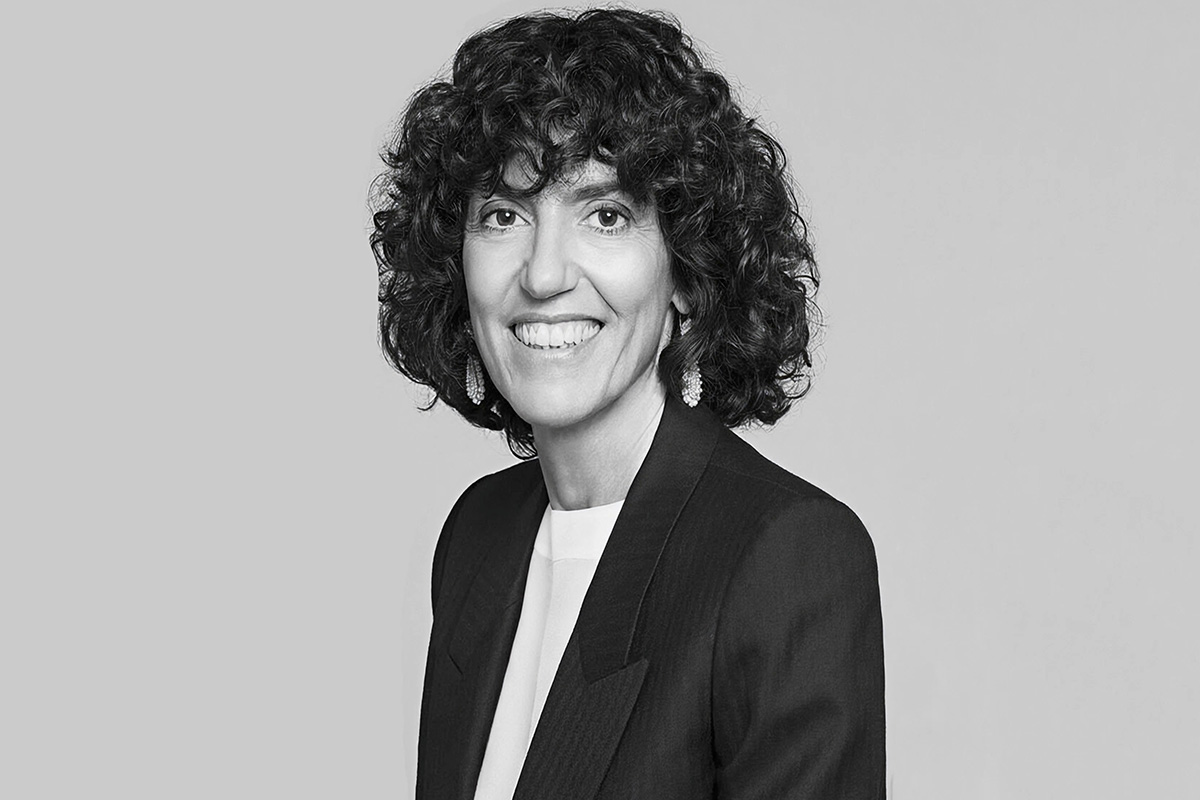
Alongside the CEO appointment, Giorgio Armani’s niece Silvana Armani, head of women’s style, will be named Vice President. Her placement further reinforces the brand’s commitment to family-led artistic stewardship, a strategy that continues to resonate strongly with UHNW clientele who value consistent creative direction and authenticity over rapid commercial trends.
The timing of this transition places Armani among the most closely watched luxury fashion brands in Europe as it navigates a highly sensitive moment in global luxury dynamics. With data from Bain & Co. and Altagamma projecting the personal luxury goods market to reach more than 530 billion euros by 2030 — driven significantly by the top 1 percent of global luxury consumers — strategic stability has become a defining competitive asset for heritage maisons. Investors and UHNW buyers alike are now prioritizing brands that demonstrate both creative integrity and future-proof financial infrastructure.
Armani’s move is not a reactive restructuring, but rather the execution of a long-intended and meticulously engineered plan. The maison remains one of the last major privately controlled luxury fashion brands in the world, a status that has been central to its appeal among discreet global collectors and elite clientele. Unlike many competitors that have handed control to conglomerates, Armani has historically chosen to grow through intentional precision rather than speed. Marsocci’s elevation signals continuation of this approach, yet with readiness for carefully calibrated evolution within a shifting global landscape.
As luxury fashion institutions evolve from designer-centric power structures to governance-led global ecosystems, this leadership moment marks a critical inflection point. Armani now enters a chapter balancing preservation with intelligent expansion — designed not to follow the mass luxury game, but to reinforce the quiet superiority of brands built on culture, not velocity.
For the 1 percent, this announcement is not simply about a change in leadership — it represents the strengthening of one of the last great privately governed pillars of European luxury. And in a market where demand is accelerating but discernment is deepening, that may be Armani’s greatest long-term advantage.
Share Now
LATEST
POPULAR