

A $102 Million Wake-Up Call: Why the 1% Must Now Rethink Luxury Jewelry Security
When $102 million worth of royal jewels vanished from the Louvre in a seven-minute heist, it wasn’t just a loss for France it was a warning shot aimed directly at the world’s wealthiest individuals.
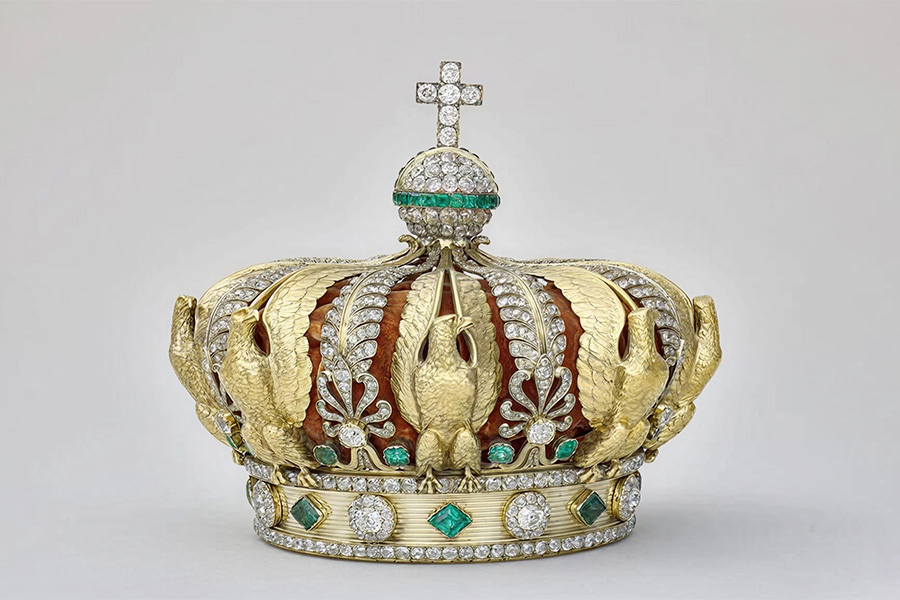
For Ultra High Net Worth Individuals, or the 1%, the theft of these priceless pieces should trigger urgent reflection. In a world where prestige, legacy, and tangible assets are more prized than ever, this audacious robbery signals a sobering truth: even the most iconic treasures, protected by world-class institutions, are vulnerable.
The Louvre Heist: More Than a Cultural Loss
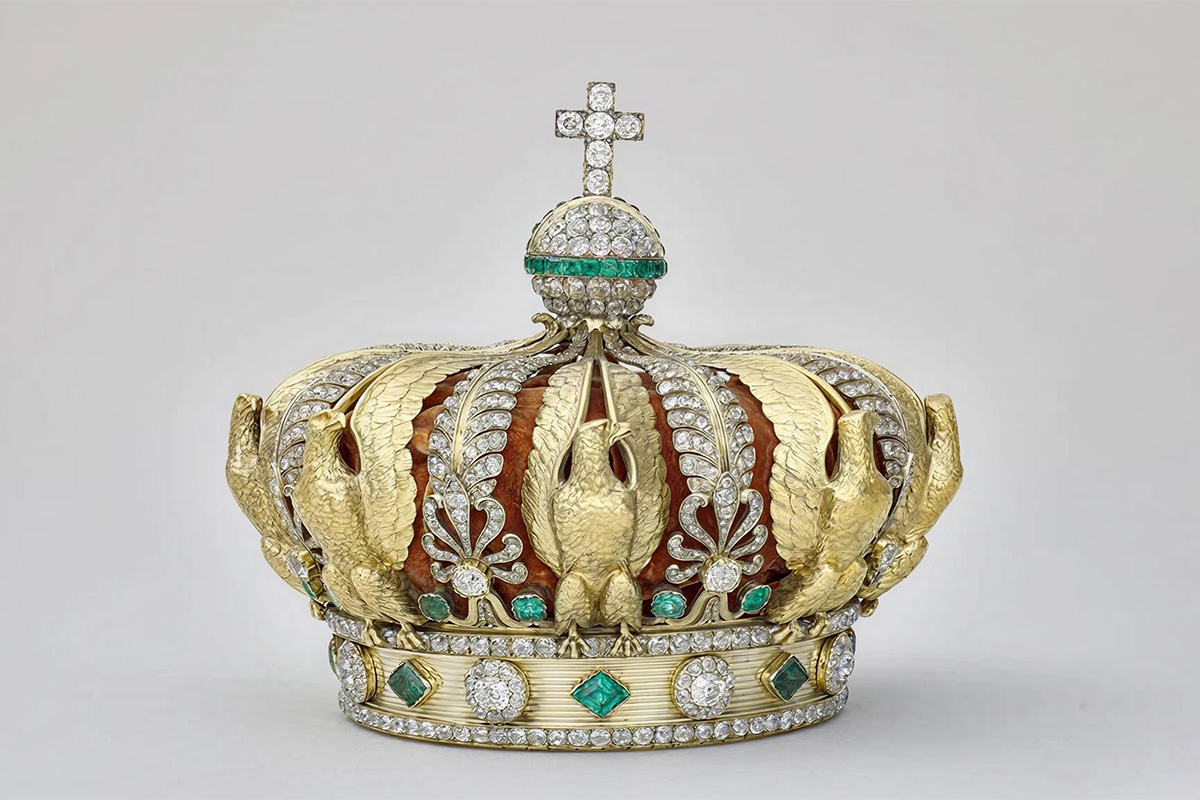
The jewels taken were no ordinary ornaments. They included a tiara worn by Queen Marie-Amélie, encrusted with 24 Ceylon sapphires and over a thousand diamonds, and an emerald necklace gifted by Napoleon himself. Beyond their $102 million valuation, these pieces embodied centuries of craftsmanship, sovereignty, and symbolism.
And yet, despite high-tech security, these jewels were stolen in under ten minutes using scooters, ladders, and power tools. If such a breach can happen at the Louvre, what does that imply for private collections held in residences, yachts, safes, and even private vaults?
Luxury Jewelry as a Private Asset Class
Today’s 1% are more invested than ever in luxury jewelry as a store of value. According to market forecasts, the global luxury jewelry market is expected to surpass $68.3 billion by 2028, driven by both consumption and long-term investment. Meanwhile, the population of UHNWIs has surged past 392,000 worldwide, collectively managing over $42.4 trillion in wealth.
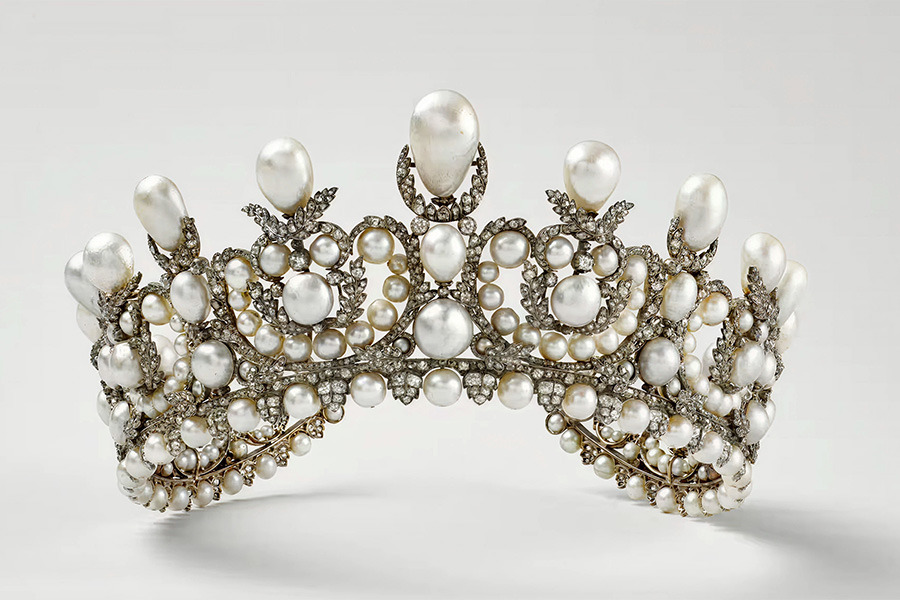
For many in this elite circle, high-jewelry pieces are not just wearable art. They’re legacy investments, tangible trophies of success, and increasingly, portable stores of value in a world facing macroeconomic and geopolitical instability.
But herein lies the paradox: the very tangibility that makes luxury jewelry valuable also makes it vulnerable.
The Real Risk: Quiet, Targeted, Irreversible
Experts warn that high-profile jewels stolen in such heists are often dismantled, recut, or melted down to obscure their origins, entering illicit trade routes or laundering networks. The original value—both historical and monetary—is lost forever. And while the Louvre’s loss is public, many private collectors face similar risks without the headlines or the recovery teams.
This is a clarion call. The same wealth that allows you to collect rare stones should be matched by systems to protect, insure, monitor, and even digitally track them. Private safes are no longer sufficient. Digital provenance tools, biometric-secured vaults, armored logistics, and AI-powered monitoring systems are the new standard for securing these assets.
A New Era of Jewelry Security for the 1%
The heist has exposed a growing disconnect: while the design and value of high jewelry evolve, many security practices remain outdated. This mismatch creates an opening that sophisticated criminals are increasingly prepared to exploit.
Now is the time for collectors, family offices, and wealth managers to reassess their jewelry protection strategies. Ask not just what is in your vault, but how it is protected, who can access it, and what recovery systems are in place if something goes wrong.
Final Thought: Legacy is Luxury’s True Value
What the Louvre lost cannot be measured solely in dollars. These were historical masterpieces, the kind of objects the 1% covet precisely because they outlast lifetimes.
But no object, however exquisite, is invincible. For those building generational legacies, the lesson is clear: luxury jewelry is only as valuable as the care taken to preserve it. The Louvre’s loss is a mirror. What would your reflection show?
Share Now
LATEST
POPULAR