

Art as Capital: How the 1% Are Shaping the Future of Collecting
In an era of shifting markets and heightened global uncertainty, one truth remains constant among the 1%: art is no longer just a passion—it is a pillar of capital.
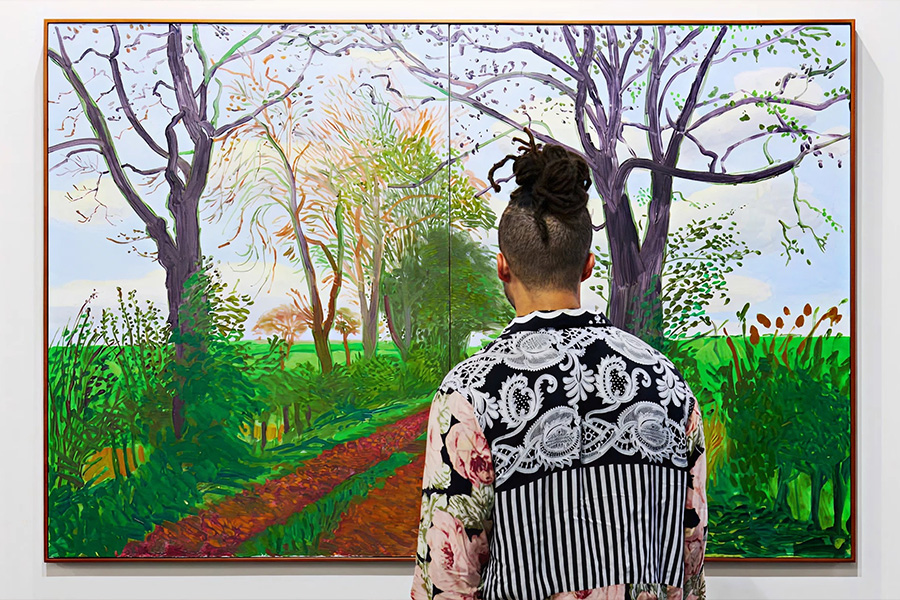
According to the latest 2025 Global Collecting Survey by Art Basel and UBS, Ultra High Net Worth Individuals—those with assets exceeding $50 million—now allocate an average of 28% of their wealth to art, a significant rise from previous years. As traditional financial markets lose their sheen, the world’s wealthiest are leaning into what many consider the most personal asset class: fine art.
A New Generation, A New Medium
The evolution of collecting is being led not just by wealth, but by a younger, more diversified demographic. Gen Z collectors, often beneficiaries of multigenerational fortunes, are allocating 26% of their portfolios to art, with a notable preference for non-traditional and digital mediums. Millennials are not far behind, favoring photography, prints, and works on paper—a shift that reflects both aesthetic evolution and emerging value perceptions.
Interestingly, even though most of the current activity is focused on traditional categories such as painting (still commanding 27% of fine art spending), there’s a quiet momentum in favor of innovation. While this is not abstract art in its conventional form, a growing number of collectors are turning toward immersive and conceptual works that mirror the expressive fluidity of the abstract genre. These pieces speak not only to personal identity but also to long-term cultural investment.
Women at the Vanguard
Perhaps the most striking insight from the report is the rise of female collectors, whose spending on art and antiques in 2024 was 46% higher than their male counterparts. These collectors are embracing risk with discernment, often supporting female artists and underrepresented voices. This trend mirrors the broader shift toward social value alignment, a principle increasingly guiding the acquisition choices of the 1%.
Dr. Clare McAndrew, author of the report and founder of Arts Economics, notes, “Women are not only more open to newer mediums, but they are actively redefining what collecting means—bridging financial, emotional, and societal value.”
Buying Behavior: From Basel to Instagram
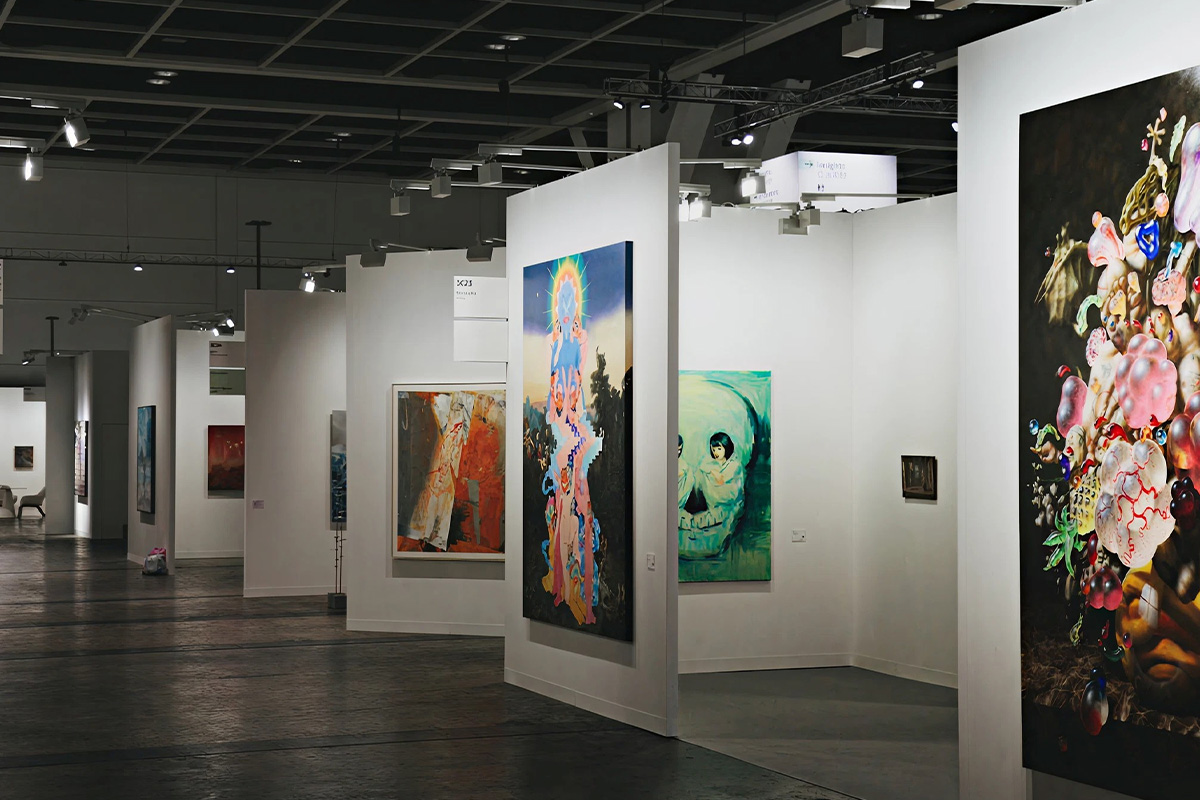
Traditional buying channels—galleries and dealers—remain dominant, yet the digital frontier is rising. 58% of HNWIs made purchases at art fairs, while 51% acquired art directly via Instagram, a platform that has become a digital gallery wall for both emerging and blue-chip artists. What’s more, direct sales from artists have more than doubled, signaling a desire for deeper relationships and transparent provenance—a new norm among the 1%.
This direct engagement also reflects a generational appetite for storytelling. For these collectors, it’s no longer just about owning a masterpiece—it’s about understanding the vision behind it and the journey it represents. There is a resonance here with the sensibilities often evoked by abstract art: a search for emotion beyond form.
Looking Ahead: Confidence in the Cultural Market
Despite a 12% drop in global art sales this year, optimism among the 1% is undeterred. 84% of HNWIs remain confident in the short-term outlook of the market, and 40% plan to increase their art investments within the next 12 months. A full 80% intend to pass on their collections to children or spouses, reflecting the enduring value of art as an intergenerational asset.
Event attendance is also rebounding, with UHNW collectors attending an average of 48 art-related events in 2024, surpassing pre-pandemic levels. This cultural immersion reaffirms the role of art not only as a financial hedge, but as a lifestyle statement—one that blends legacy, intellect, and status.
Final Thought: Legacy Through Aesthetic Capital
For the 1%, art is more than décor or even diversification. It is a dynamic, evolving conversation between wealth and meaning. Whether through traditional canvases or abstract explorations, today’s elite are curating not just collections—but legacies.
In a world increasingly defined by intangible value, the one percent understands: owning art is a way of owning time.
Share Now
LATEST
POPULAR