

Luxury Fashion Brands Look to India as Global Wealth Accelerates
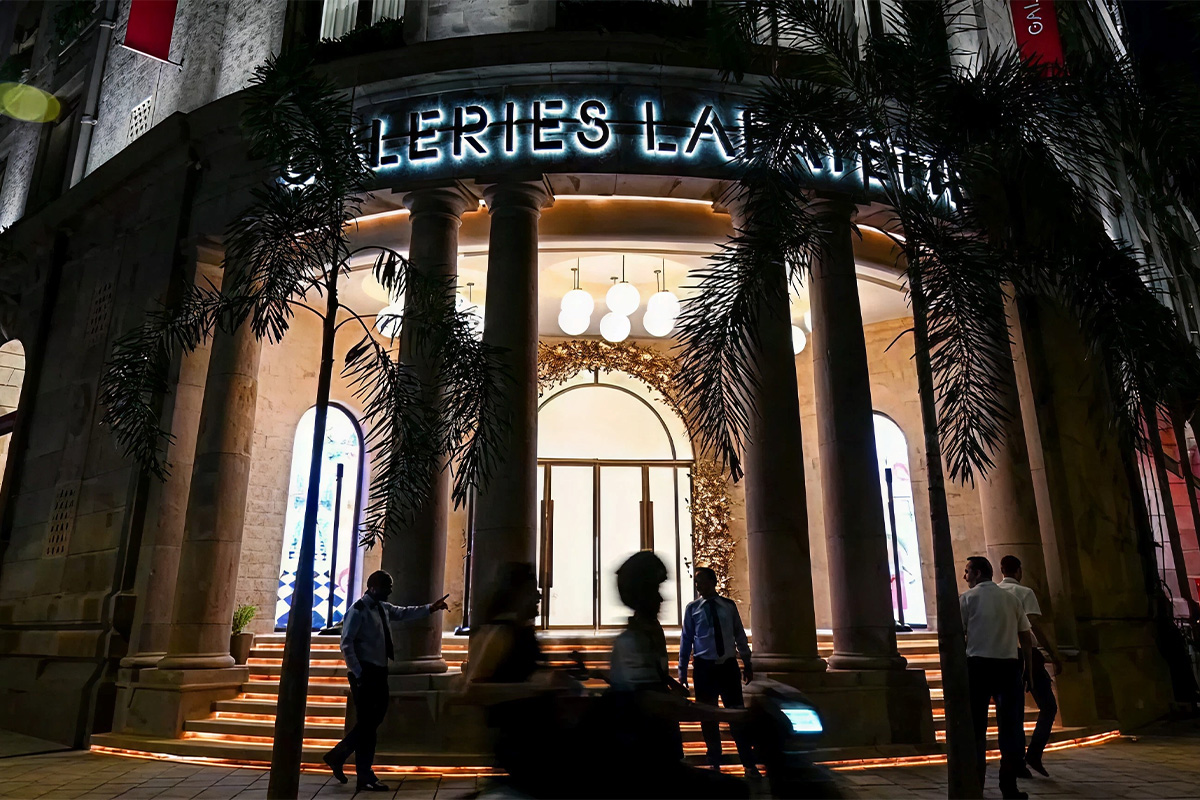
Iconic French retailer Galeries Lafayette has opened its first flagship in India, marking one of the most significant international expansions in the country’s luxury sector. The five-level Mumbai store arrives at a pivotal moment.
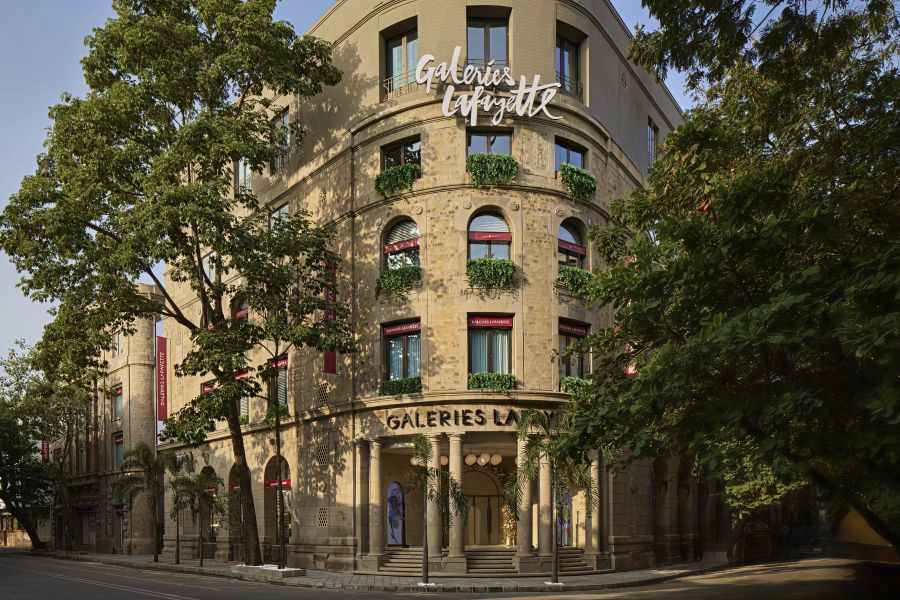
India’s luxury market, valued at eleven billion dollars in 2024, is projected to reach thirty-five billion dollars by 2030, driven by rapid wealth creation among the nation’s most affluent households.
This surge aligns with global trends identified in recent luxury industry studies. The population of UHNWIs continues to rise, with India now home to more than three hundred and fifty billionaires and tens of thousands of new millionaire households each year. For Luxury Fashion Brands targeting the one percent, India presents a rare long-term growth opportunity.
The new store spans more than eight thousand square metres in the historic Fort district and features over two hundred and eighty international brands, alongside private lounges and concierge services designed for high-spending clientele. For UHNWIs, such environments provide curated experiences rather than traditional retail, reflecting how global luxury consumption continues to evolve.
Yet the market remains challenging. High customs duties often push wealthy consumers to shop in Dubai, where pricing on European goods can be up to forty percent lower. Infrastructure limitations, cultural diversity and a still-limited network of premium malls add complexity. Despite its massive population, India’s luxury sector remains concentrated within a relatively narrow elite. Nearly one billion citizens lack discretionary spending power, making this a distinctly segmented market.
Cultural integration is another critical factor. While international Luxury Fashion Brands are expanding aggressively, local fashion culture remains deeply influential. Indian shoppers may appreciate global labels, yet choose traditional designers such as Sabyasachi or Tarun Tahiliani for major occasions. Brands attempting to “look Indian” without authenticity risk diminishing their appeal.
To succeed, global houses are increasingly collaborating with Indian creatives, Bollywood talent and regional influencers, aligning with a broader UHNWI preference for culturally relevant storytelling and meaningful design. Dior, Chanel and Bulgari have already established deep collaborations in India, a trend expected to strengthen as the market grows.
A potential free trade agreement between India and the European Union could significantly reshape the sector by reducing import duties and encouraging more domestic luxury spending. If implemented, analysts expect a major uplift for Luxury Fashion Brands operating in the country.
Galeries Lafayette’s Mumbai opening, with a second store planned for Delhi, reflects a long-term bet on India’s growing influence in global luxury. For the world’s most powerful houses, the opportunity is clear. Success will depend on cultural sensitivity, strategic patience and an ability to create elevated experiences worthy of the one percent.
Share Now
LATEST
POPULAR