


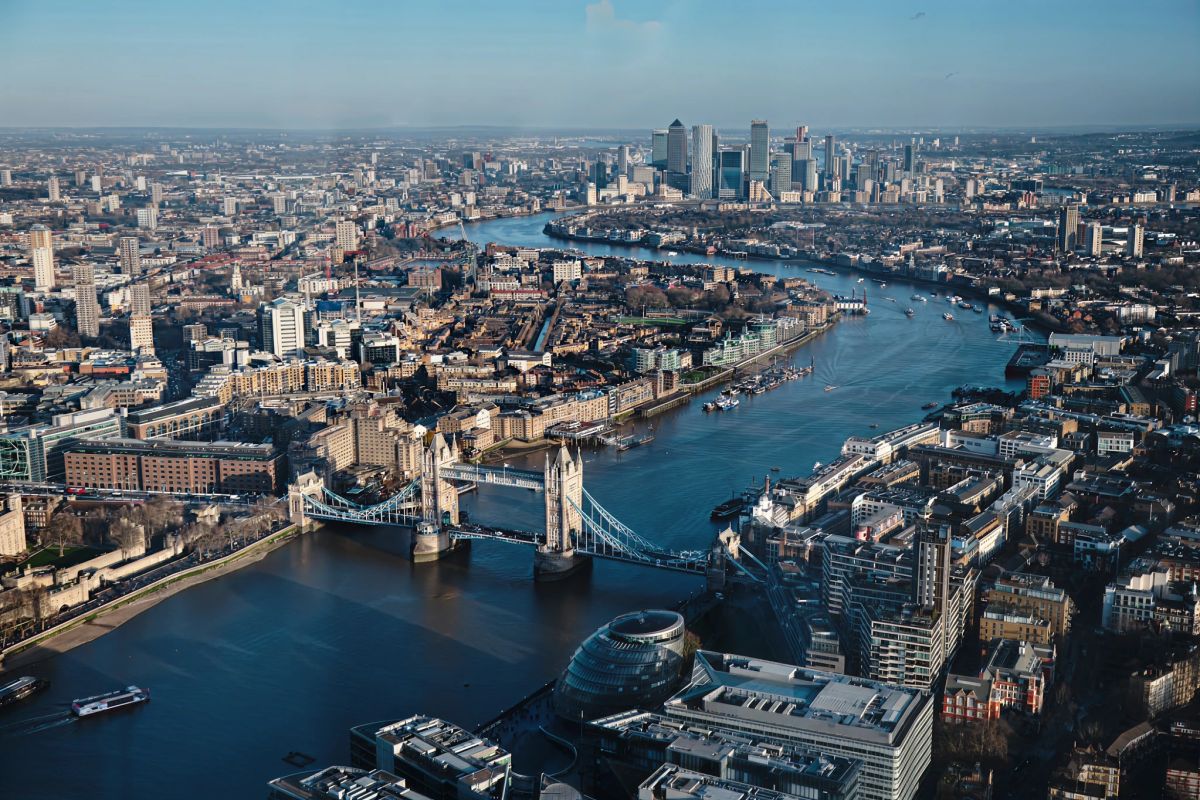
A Market in Waiting: London’s Prime Property Sector Braces for Tax Shockwaves
While London’s reputation as a global hub for refined living remains intact, recent figures suggest that even the most resilient real estate market is not immune to policy-induced hesitation. In October 2025, the capital’s luxury property sector experienced a striking slowdown in activity, with a nearly 65% year-on-year drop in the number of sales above £5 million.
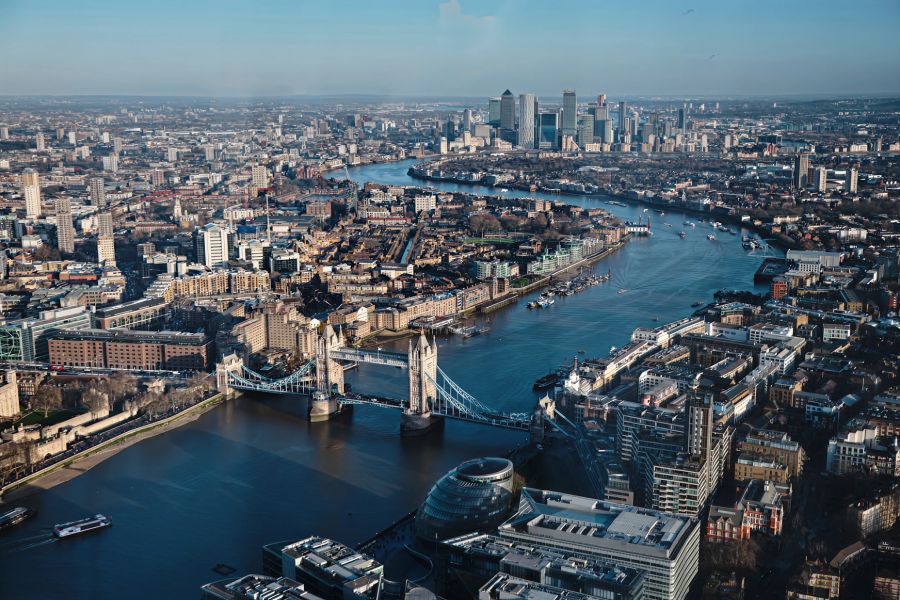
This market cool-down precedes the unveiling of sweeping new fiscal policies anticipated in the UK’s upcoming budget. With tax increases on the horizon, both domestic and international investors—particularly those in the 1%—are adopting a wait-and-see stance.
Real Estate Market Disruption: Context Behind the Decline
According to new data from LonRes, the number of prime real estate transactions in London fell 38.9% in October compared to the same month last year. While still slightly above pre-pandemic levels (2.8%), this contraction signals that uncertainty, rather than demand, is reshaping market behavior.
The high-value segment, encompassing homes priced above £5 million (USD $6.6 million), saw the sharpest dip. Transactions in this tier fell a dramatic 64.7% from 2024 and now sit 21.7% below pre-pandemic norms. The cooling effect has also extended to pricing, with average prime property values down 5.8% compared to the same period last year.
Despite these declines, new listings remain relatively stable. They dropped just 2.1% compared to October 2024, and they remain 8% higher than the 2017–2019 average—indicating a market not in retreat, but in strategic pause.
The Ultra Wealthy Remain, But They Are Watching Closely
This moment of stillness is not due to a loss of appetite among the global elite. On the contrary, the number of Ultra High Net Worth Individuals (UHNWIs) in the United Kingdom remains one of the highest globally. According to the latest data, the UK is home to over 25,000 UHNWIs, placing it firmly among the top five global markets for individuals with assets exceeding $30 million.
However, the looming tax changes—particularly regarding wealth transfers, capital gains, and the now-revoked non-dom status—are weighing heavily on sentiment. The budget announcement scheduled for November 26 is expected to introduce measures aimed at balancing public debt, enhancing the NHS, and alleviating cost-of-living pressures, but with direct implications for high-value property ownership.
Holding Pattern or Buying Opportunity?
The current hesitation mirrors the urgency observed in October 2024, when buyers rushed to complete transactions before the abolition of the non-dom tax regime in April 2025. Sales activity peaked in Q1 of this year and has since gradually retreated. While under-offer activity remains high, conversions into closed deals are lagging, reflecting broader uncertainty.
This pattern may soon reverse. Once the fiscal framework is clarified, seasoned investors are expected to return swiftly—particularly those in the 1% who understand the enduring value of trophy assets in London. The current lull may present an acquisition window for those with long-term perspective and strategic intent.
Real Estate Market Outlook for the 1%
Globally, the luxury real estate market continues to evolve. A recent industry report indicates that UHNWIs are reallocating their portfolios across a mix of lifestyle-driven and financially resilient markets. While cities like Dubai and Miami are seeing record gains in branded and waterfront properties, London remains a cornerstone of legacy investment strategies for global families and institutions.
As the UK real estate market recalibrates, prime London addresses are unlikely to lose their shine. The limited inventory of historic and ultra-prime properties, combined with world-class cultural, financial, and educational institutions, continues to support intrinsic long-term value.
Conclusion: Luxury Real Estate Awaits Its Next Chapter
London’s prime real estate market may currently appear subdued, but for the global 1%, it is a moment of strategy, not surrender. As the fiscal fog begins to clear post-budget, the capital’s most coveted homes will once again find themselves at the center of high-value decision-making—where legacy, privacy, and capital preservation converge.
Share Now
LATEST
POPULAR

The latest trade data highlights the international influence of the UK's distilling expertise while reinforcing the long term appeal of collectible spirits for The 1%.

Diageo, among the world's most distinguished premium drinks companies, now enters a new chapter under the leadership of CEO Sir Dave Lewis.

The collaboration brings together the storied Maison and independent master watchmaker Denis . . .