

US Demand for Luxury Watches Defies Tariffs as Watches of Switzerland Reports Record Sales
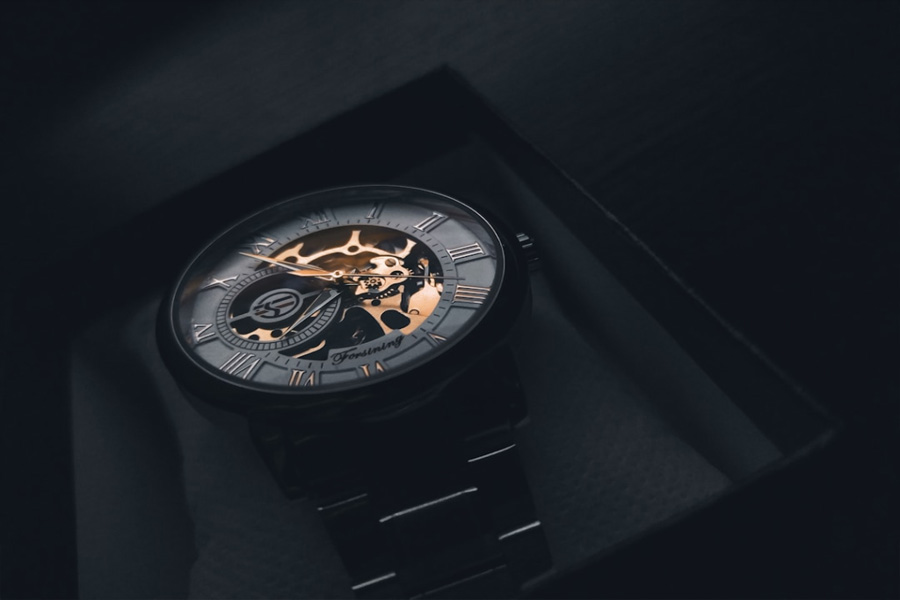
In a climate of economic unpredictability and steep tariffs, one signal shines through clearly: America’s appetite for luxury watches remains unshaken.
The first half of 2025 saw Watches of Switzerland Group post a remarkable 15 percent increase in U.S. revenue, reaching $546 million. In an era when geopolitical volatility often dampens luxury sentiment, this performance speaks volumes—not only about consumer confidence but also about the steadfast appeal of horological excellence among the world’s wealthiest.
A Billion-Dollar Signal of Resilience
Globally, Watches of Switzerland generated $1.11 billion in revenue over the six-month period ending October 26, 2025. With the U.S. accounting for over 60 percent of the group’s profits, it is now firmly the epicenter of luxury timepiece consumption.
Even a sharp 39 percent import tariff imposed earlier this year did little to deter demand. By November, the U.S. revised the rate downward to 15 percent, realigning with other European partners and offering some relief to Swiss watchmakers and retailers alike. Yet, the interim period—where luxury timepieces were subject to near-record levies—offered a rare glimpse into just how resilient the luxury watch market has become.
What the 1% Are Buying
According to the 2025 Bain & Company x Altagamma report, global sales of luxury watches have remained robust among Ultra High Net Worth Individuals (UHNWIs), who continue to drive industry value through both new and vintage acquisitions. With over 22.8 million millionaires globally and a growing segment of UHNWIs—defined as those with over $30 million in net worth—the demand for high-end timepieces is anchored not only in passion but in portfolio strategy. Increasingly, luxury watches are viewed as tangible assets of prestige, legacy, and potential appreciation.
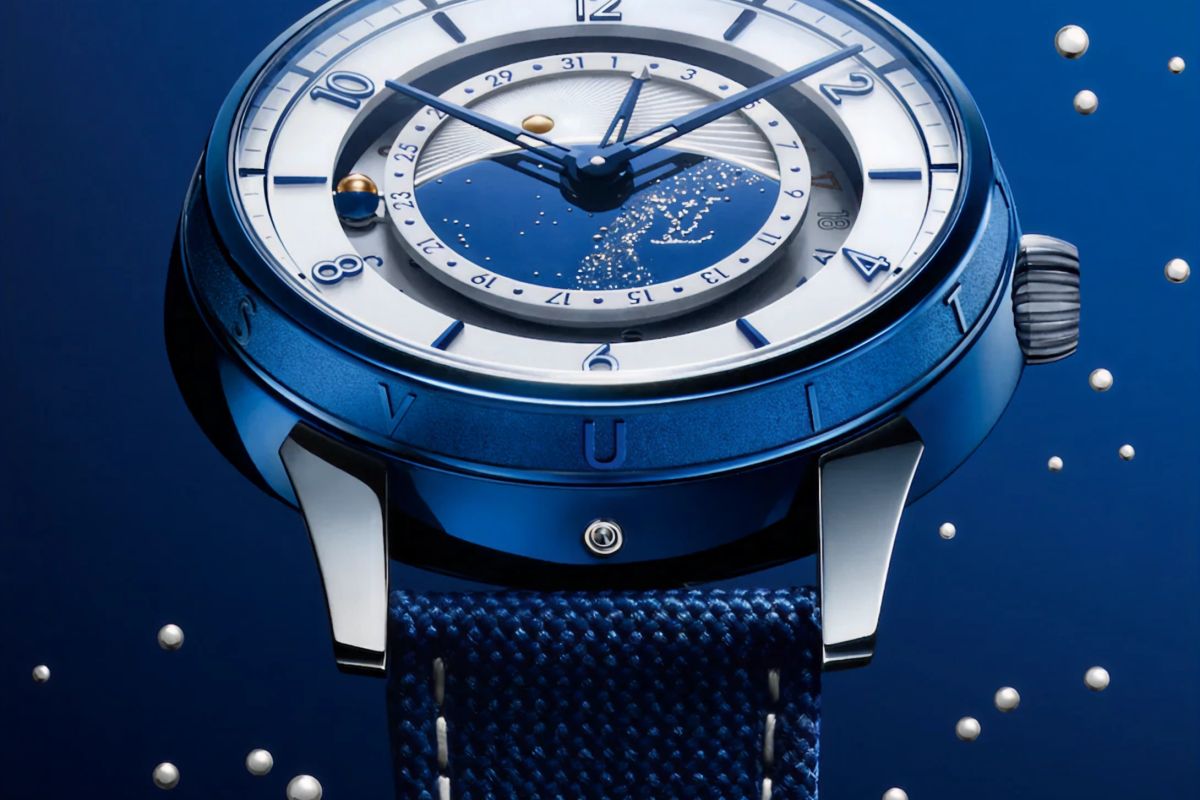
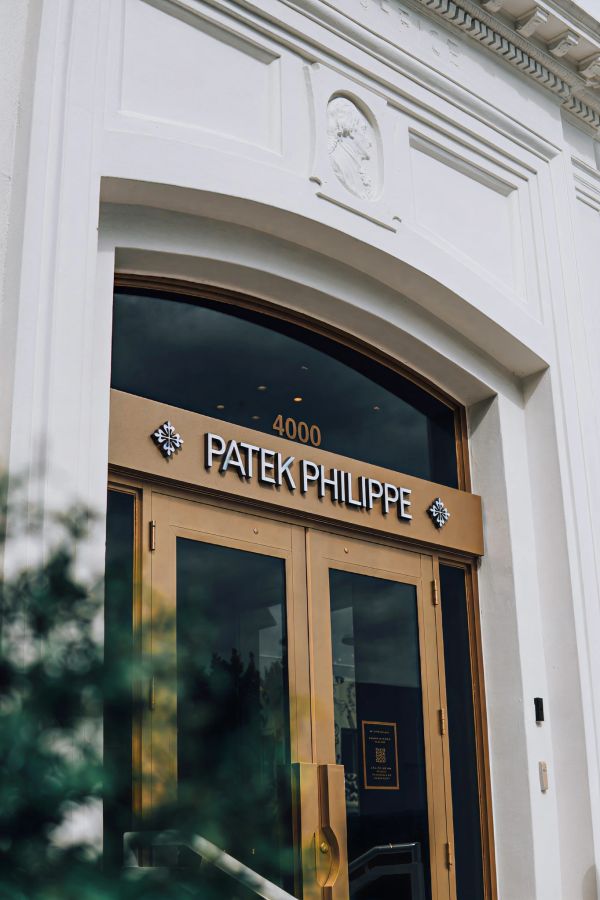
Watch brands such as Rolex, Patek Philippe, and Audemars Piguet continue to lead the charge, often commanding long waiting lists for coveted references. At Watches of Switzerland locations across the U.S., including its flagship boutiques in New York, Miami, and Los Angeles, these brands remain consistently sold out—proof of their enduring desirability among the elite.
Strategic Stockpiling and Market Agility
How did Watches of Switzerland outmaneuver tariff shockwaves? Through strategic inventory stockpiling. By building reserves of Rolex, Omega, and Patek Philippe pieces in advance of the tariff’s implementation, the retailer shielded clients from immediate price hikes. This approach protected sales velocity and preserved brand loyalty.
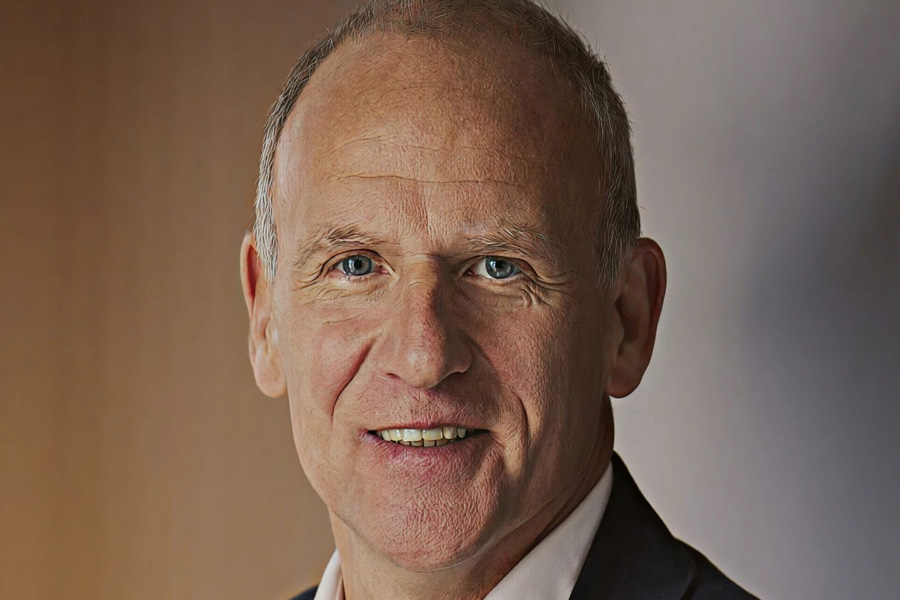
Company CEO Brian Duffy noted that “luxury watch demand continues to exceed supply,” particularly in the United States. While the group has exited the broader European market, its U.K. presence also remains stable, with watch exports to Britain up 15.2 percent year-on-year, reaching CHF 173.3 million ($218 million) in September 2025 alone.
Outlook: Luxury Watches Remain Unshaken
For the 1%, luxury watches are more than accessories—they are expressions of identity, legacy, and refined taste. Whether collecting rare Patek Philippes, acquiring limited-edition Rolex models, or investing in pre-owned certified watches, today’s elite are shaping the global watch narrative.
Despite geopolitical headwinds, rising gold prices, and market volatility, the trajectory for luxury watches remains upward. And in markets like the United States, where cultural relevance meets deep pockets, the future ticks on in platinum, gold, and sapphire crystal.
Share Now
LATEST
POPULAR