

Kering Moves Deeper into Luxury Jewelry with Strategic Stake in Raselli Franco Group
In a bold move reinforcing its ambitions in luxury jewelry, Kering has announced the acquisition of a 20 percent stake in Italy’s Raselli Franco Group, one of Europe’s most respected jewelry manufacturers.
The transaction, valued at €115 million ($135 million), grants the French luxury group a clear pathway to full ownership by 2032, signaling a significant shift in the global luxury value chain.
Strengthening the Foundations of High Jewelry
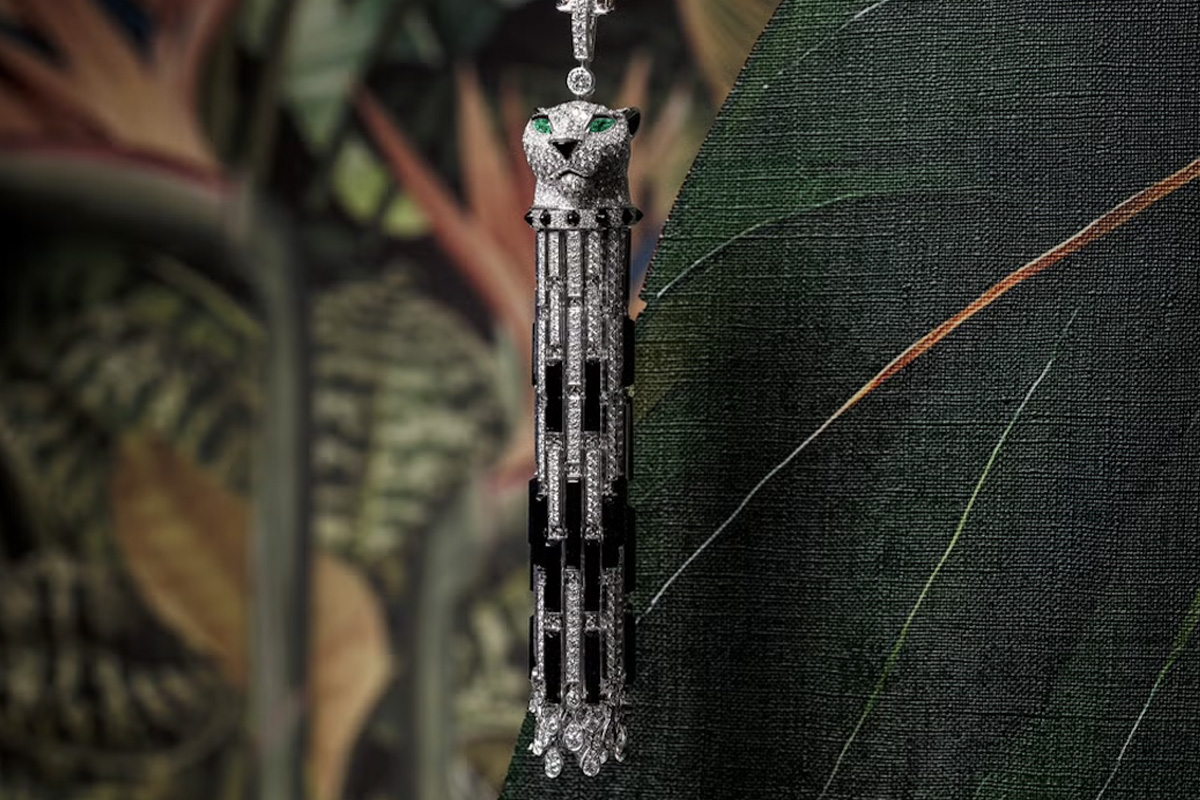
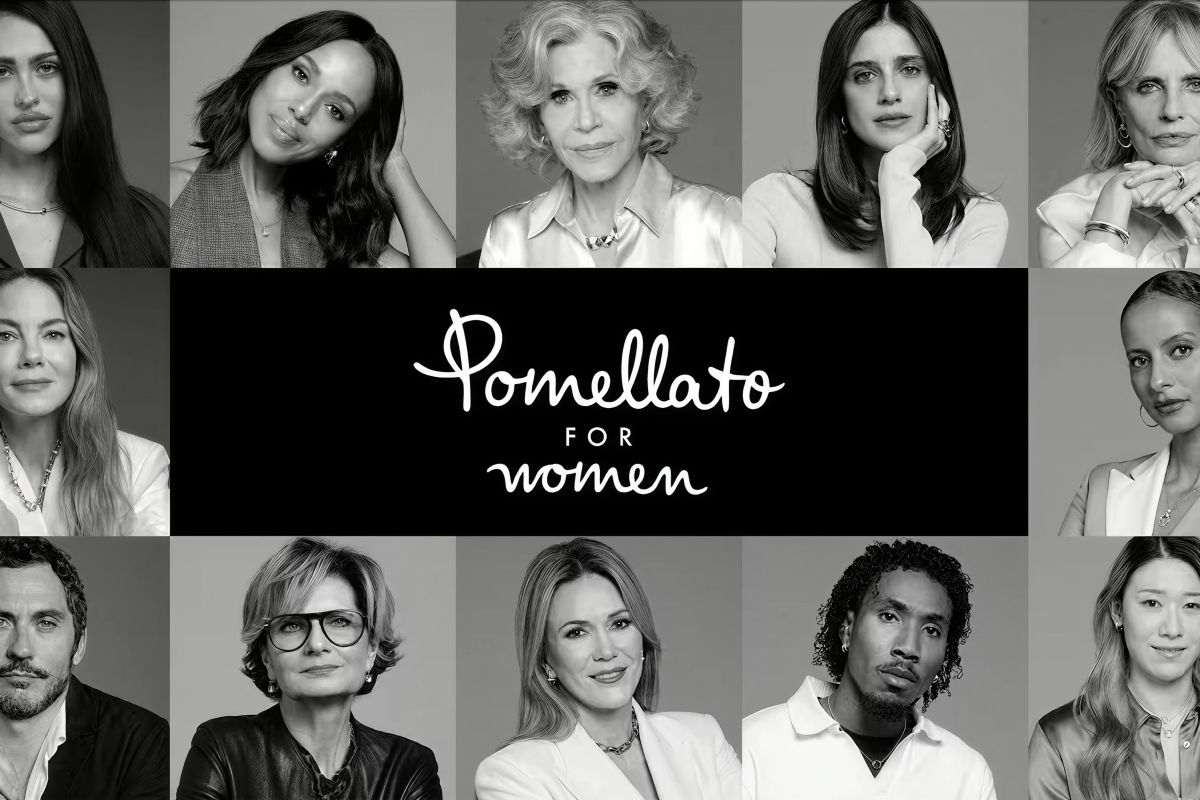
The Raselli Franco Group, founded in 1969 and headquartered in Valenza—Italy’s historic fine jewelry hub—has long been known for its mastery in prototyping, precision manufacturing, and sourcing of rare gemstones and precious metals. This partnership isn’t new. Raselli has been a trusted collaborator to Kering’s jewelry maisons for decades, including Boucheron, Pomellato, Dodo, and Qeelin.
What makes Raselli stand out in a competitive landscape is its vertically integrated production model—from raw material procurement and R&D to design, component assembly, and quality assurance. Its advanced capabilities in casting and CNC (computer numerical control) machining position it as an indispensable asset for high and fine jewelry production. For the 1%, that means an even higher standard of craftsmanship and exclusivity in the pieces they seek.
A Strategic Response to Global Market Evolution
Kering’s CEO, Luca de Meo, describes the deal as a “strategic milestone,” reinforcing the group’s jewelry ambitions and responding to evolving consumer expectations. “By securing critical manufacturing capabilities,” de Meo stated, “we strengthen our value chain and accelerate the growth of our maisons.”
This acquisition also comes at a time when luxury conglomerates are investing aggressively in their supply chains to maintain creative control, ensure sustainability, and respond to increasing demand from Ultra High Net Worth clientele for transparency and heritage in their purchases.
The Rise of Jewelry as a Resilient Luxury Asset
According to the BCG x Altagamma True-Luxury Global Consumer Insight 2025 Report, luxury jewelry has become one of the fastest-growing segments in the personal luxury goods market. In 2024 alone, the sector saw double-digit growth, driven largely by Ultra High Net Worth Individuals, who continue to diversify their investment portfolios with tangible, meaningful assets.
Among the 392,000 UHNWIs globally, over 72 percent now consider high jewelry as both an emotional and investment-grade asset, favoring heritage brands, master craftsmanship, and exclusive access. As global macroeconomic uncertainty persists, jewelry is increasingly seen as a vehicle for value preservation and intergenerational transfer.
Long-Term Vision Rooted in Excellence
For Raselli Franco Group, the partnership provides both scale and continuity. CEO Andrea Raselli welcomed the acquisition, saying, “As a family-owned company, we share the same values of excellence, innovation, and agility. This partnership reinforces our vision and strengthens our ability to serve the maisons we’ve been proud to collaborate with for years.”
Kering’s move ensures that its jewelry maisons remain not only competitive but also influential in shaping the future of fine jewelry. With plans to incrementally acquire full ownership by 2032, this is not just a short-term production play—it’s a generational strategy.
What It Means for the One Percent
For the most discerning clients—the 1%—this acquisition holds deeper significance. It guarantees continued access to bespoke, meticulously crafted luxury jewelry from maisons that value heritage, innovation, and discretion. Whether it’s a one-of-a-kind Boucheron creation or a quietly powerful Pomellato piece, this move secures the future of artistry at the highest level.
As the global luxury landscape evolves, Kering’s acquisition of Raselli Franco Group is a powerful reminder: in the world of fine jewelry, craftsmanship, heritage, and control over production are the ultimate currencies of distinction.
Share Now
LATEST
POPULAR