

Why Luxury Private Jet Travel Hit a New Record in 2025 and What the 1% Does Next
In 2025, luxury private jet travel crossed a new threshold. Not as a trend. Not as a post-pandemic echo. As a structural shift in how the 1% moves through the world.
Private aviation did not simply recover. It upgraded.
Global private jet activity reached 3,878,836 flights in 2025, a 4.6% increase versus 2024 and above the previous peak of 2022. That is the equivalent of more than 300 additional departures per day compared to the prior record year. This is not noise. This is signal.
And for Ultra High Net Worth Individuals, the meaning is simple: the luxury private jet is no longer a symbol of wealth. It is the operating system of modern power.
The New Reality: Private Aviation Is Now the Default for the 1%
The world has entered an era where time is the rarest asset and certainty is the new luxury.
The 1% does not book travel the way traditional premium travelers do. They design mobility. They secure optionality. They protect their schedule. They control risk.
That is why luxury private jet demand continues to rise even when headlines focus on volatility, geopolitics, airline disruptions, and economic uncertainty. For the ultra-wealthy, uncertainty does not reduce movement. It changes the method of movement.
This is also happening alongside the growth of global wealth itself.
The population of Ultra High Net Worth Individuals with more than $30 million in assets reached a record in 2024, and the United States alone has been adding over 1,000 new millionaires per day. Meanwhile, the global billionaire class has expanded by more than 50% from 2015 to 2024.
In short, the client base is expanding, getting younger, and moving faster.
What Actually Powered the 2025 Record
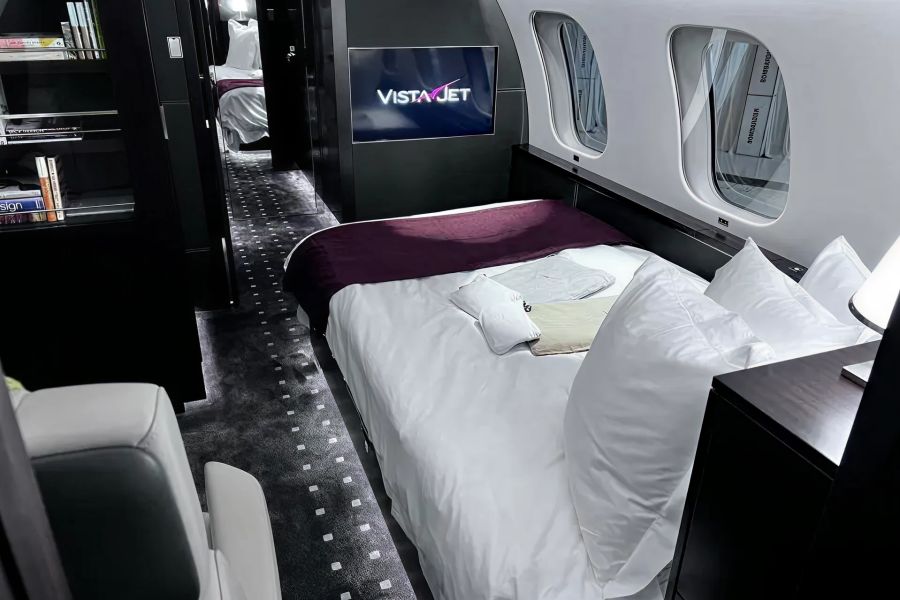
The media loves the aesthetics of private aviation. The cabin photos. The curated catering. The celebrity routes. The influencer mythology.
But the true drivers behind the 2025 record are far more strategic.
1. Private aviation is now a risk management tool
For the 1%, commercial aviation has become operationally fragile. Delays, cancellations, staffing shortages, congestion, and inconsistent service quality create friction. Friction is expensive.
This is why private jet travelers consistently cite door-to-door time savings as the dominant reason they fly privately. In industry surveys, 69% say time efficiency is the top driver, while 59% cite avoiding commercial terminals as a key motivator.
Luxury private jet travel is not purchased for comfort. It is purchased for control.
2. The rise of the flexible wealthy
A major shift is not only how many people are flying private, but who they are.
The next generation of wealthy travelers is increasingly choosing fractional and structured access rather than full ownership. In other words, they want the result of ownership without the operational drag.
NetJets now serves 40% of Fortune 500 companies, with 13,600 owners and a fleet of 1,100 aircraft, a scale that reflects how embedded private aviation has become in corporate mobility and executive time management.
This is not leisure. This is logistics at the top of the pyramid.
3. Light jets dominate volume while long-range jets define the new aspiration
In the global flight mix, light jets remain the workhorse. They represent nearly 45% of worldwide private jet flights, powering short, frequent missions.
But the long-range category is where the new identity of luxury private jet travel is evolving. Longer distances. Bigger cabins. Higher expectations. Global movement without compromise.
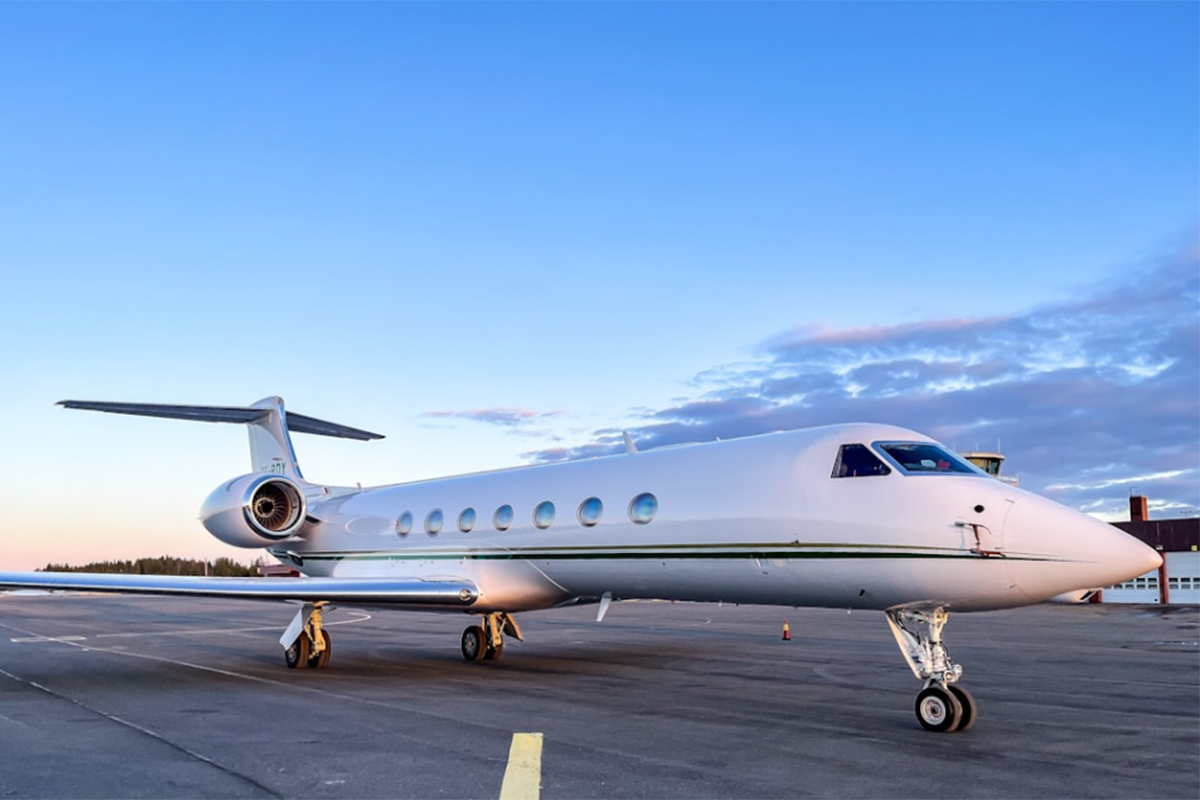
This is why we are seeing continued demand for aircraft like the Gulfstream G700, Global 7500, Global 8000, and ultra-long-range fleet expansions across major operators.
The Private Jet Economy Is Scaling Faster Than Most People Realize
A common misconception is that private aviation is a niche market. It is not.
The private jet industry is now entering a decade of acceleration.
One of the strongest indicators is future supply. Honeywell’s latest forecast projects 8,500 new business jet deliveries over the next 10 years, with an estimated value of $283 billion, representing the largest delivery outlook in the forecast’s history.
That level of new production is not built for a shrinking market. It is built for a world where luxury private jet access becomes a permanent layer of premium mobility.
And yes, tax policy is playing a role. The return of 100% bonus depreciation in the United States has added fuel to demand for both new and pre-owned aircraft, making acquisition more attractive for buyers who structure aviation through business usage.
For the 1%, this is not a purchase. It is an optimized asset decision.
What Happens Next: The 2026 and Beyond Playbook for the 1%
2025 was the record. 2026 will be the refinement.
Here is what the 1% should expect next.
1. The market moves from access to advantage
Luxury private jet travel will increasingly be about exclusive infrastructure, not only aircraft.
Private terminals, private lounges, direct ramp access, and white glove handling are becoming the true differentiators. Operators are investing in terminals and curated ground experiences because the elite traveler does not compare jets. They compare outcomes.
2. Ultra-premium will become more private, not more public
The next era is quieter. Less performative. More protected.
The most sophisticated travelers are not seeking visibility. They are seeking invisibility. Private aviation will continue to evolve toward discretion, security, and seamless movement across borders.
3. Demand will grow in new regions and new patterns
Private jet flight activity data shows growth is no longer limited to traditional hubs. The Middle East has been posting strong year-over-year gains, including double-digit increases in multiple periods tracked across 2025.
The 1% is migrating. Not just seasonally. Structurally.
The One Percent Conclusion
Luxury private jet travel set a record in 2025 because the world changed and the 1% adapted faster than everyone else. Private aviation is no longer a luxury category. It is a time strategy. A security layer. A business tool. A lifestyle standard. And for those who operate at the top of the market, the message is clear.
The new definition of wealth is not what you own. It is how quickly you can move, how quietly you can move, and how completely you can control the world around you while doing it.
That is why the luxury private jet is no longer the reward.
It is the advantage.
Share Now
LATEST
POPULAR