

Luxury Fashion Brands at Paris Couture Week 2026: Debuts, Returns, and the New Power Map of Haute Couture
Paris Couture Week 2026 arrives with the kind of atmosphere that cannot be manufactured. It is not only the most rarefied week in fashion, but a season shaped by transition, memory, and a quiet recalibration of power.
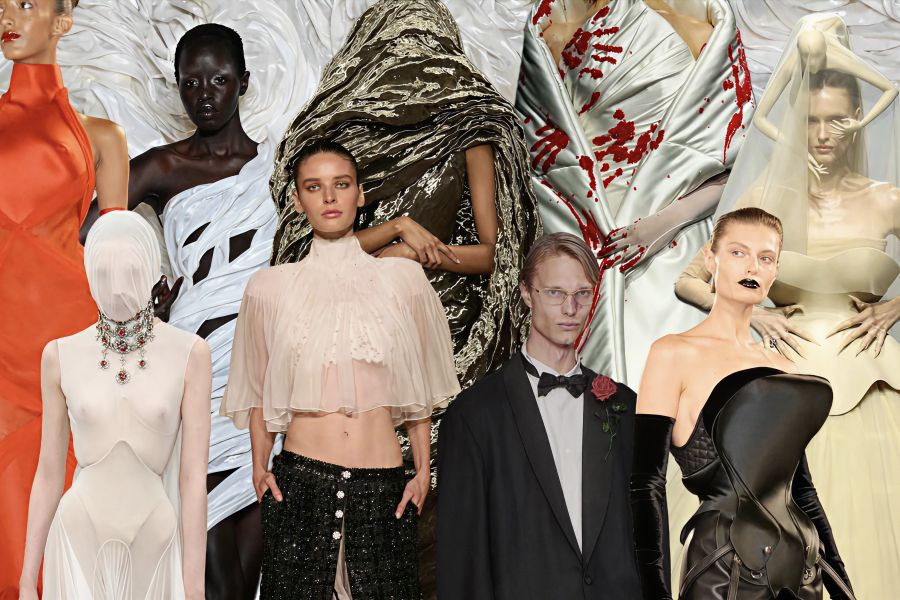
Several maisons step into couture carrying the weight of legacy, while others step back entirely, leaving space for new names to earn authority the only way couture allows: through precision, discipline, and the patience of craft.
For the 1 percent, this matters because couture is not simply clothing. It is culture made tangible. It is a private language of excellence that sits at the intersection of artistry, identity, and investment. And as Luxury Fashion Brands navigate a changing luxury economy, couture remains the ultimate proof of legitimacy.
Couture in 2026: a market of emotion and authority
The global luxury market has entered a period of stabilization after years of post pandemic correction. Industry forecasts continue to signal that while aspirational demand has softened, ultra wealthy buyers remain the most resilient force sustaining the highest tier of luxury. This is exactly where couture lives.
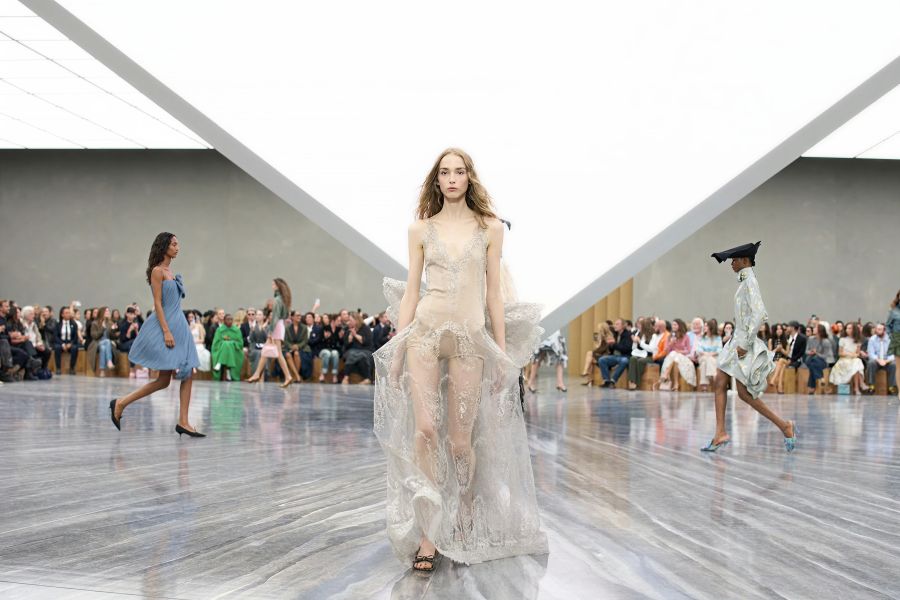
Recent luxury market studies indicate that personal luxury goods are expected to remain broadly flat, while the industry’s deeper growth is increasingly driven by experiences, emotion, and private access. Couture sits at the heart of this shift. It is the most exclusive expression of fashion, but also the most experiential, requiring time, intimacy, and human mastery.
This is why Paris Couture Week 2026 feels less like a schedule and more like a statement.
Outdoor Living, Reimagined: The New Social Architecture at Sea
One of the most significant developments this season is the arrival of Vietnamese couturier Phan Huy, now recognized as the youngest designer ever invited to present on the official haute couture calendar.
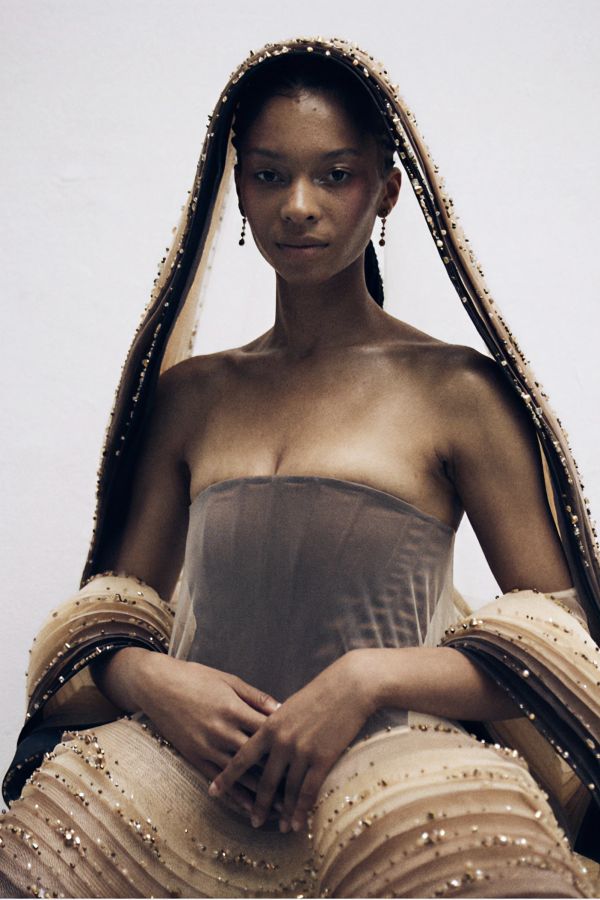
His inclusion is not a symbolic gesture. It reflects couture’s expanding worldview, one that is gradually opening to new geographies, new narratives, and craftsmanship traditions beyond the traditional European strongholds. For the 1 percent, this is where couture becomes most interesting again: when it stops repeating history and starts rewriting it with new hands.
In a market where Luxury Fashion Brands must compete not only on heritage but on relevance, emerging designers with a strong cultural point of view are becoming increasingly powerful.
Chanel and Dior enter a new chapter of creative authorship
Few moments this season carry as much anticipation as couture debuts at the highest level.
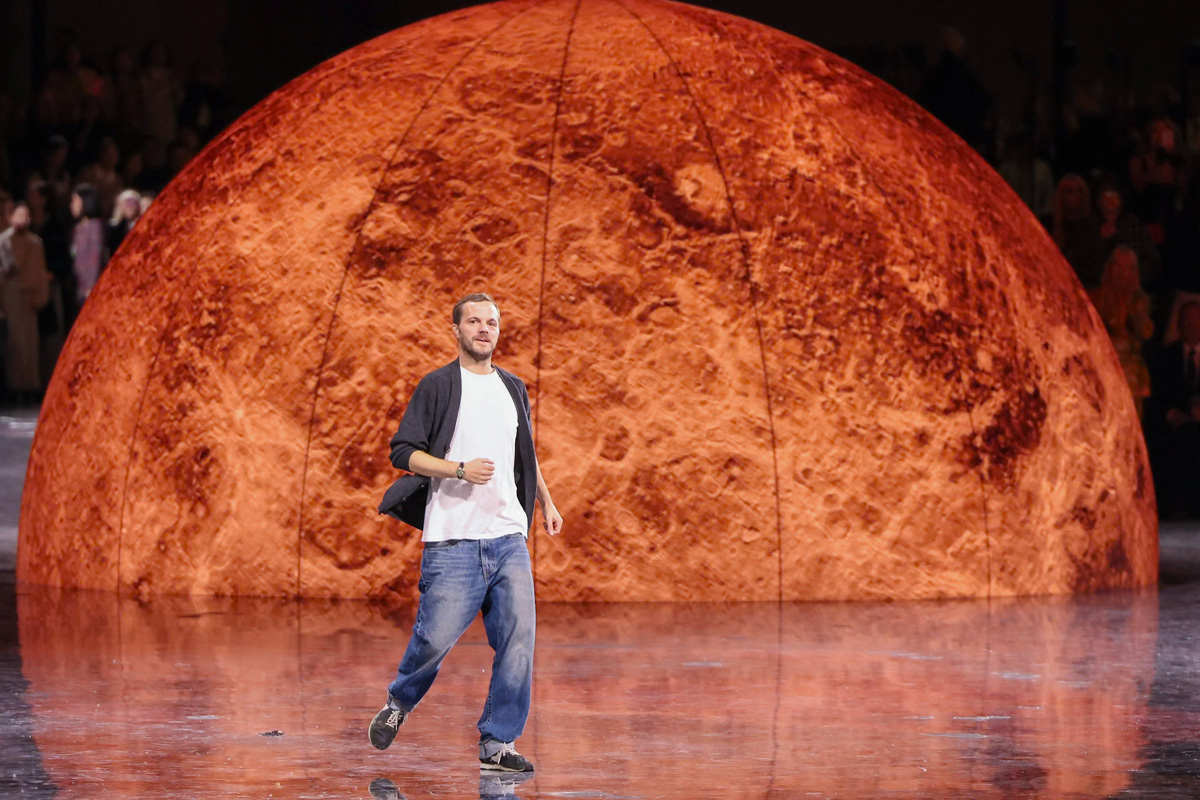
At Chanel, Matthieu Blazy steps into a role that is historically guarded and rarely disrupted. He becomes only the fourth creative director in the house’s modern lineage, and after two widely praised presentations, couture becomes his most exacting test. Chanel couture is not just an atelier achievement, it is the brand’s spiritual center. Blazy’s challenge will be evolution without betrayal, shifting the silhouette forward while keeping the codes intact enough to remain unmistakable.

At Dior, the spotlight turns to Jonathan Anderson, now carrying the rare responsibility of shaping menswear, womenswear, and haute couture under one creative vision. Dior’s decision to pause the July couture season has only intensified anticipation for his first official couture presentation this January. Anderson’s reputation is built on intelligence and nuance, a designer who rewards close reading. Couture will offer him a stage where meaning can be built through detail rather than spectacle.
For Luxury Fashion Brands, this is the new reality: creative leadership is no longer about seasonal novelty. It is about long term cultural authorship.
A turning point for foundational Italian houses
This season also arrives in the shadow of loss.
Following the passing of Giorgio Armani, the house enters a defining chapter shaped by continuity rather than reinvention. Armani was one of the last true independent empires in luxury, and the question now is not whether the house can survive, but how it will preserve its clarity without its founder’s direct hand. With Silvana Armani stepping into greater creative responsibility, couture becomes a measure of stability, a way of proving that the codes remain alive, not archived.
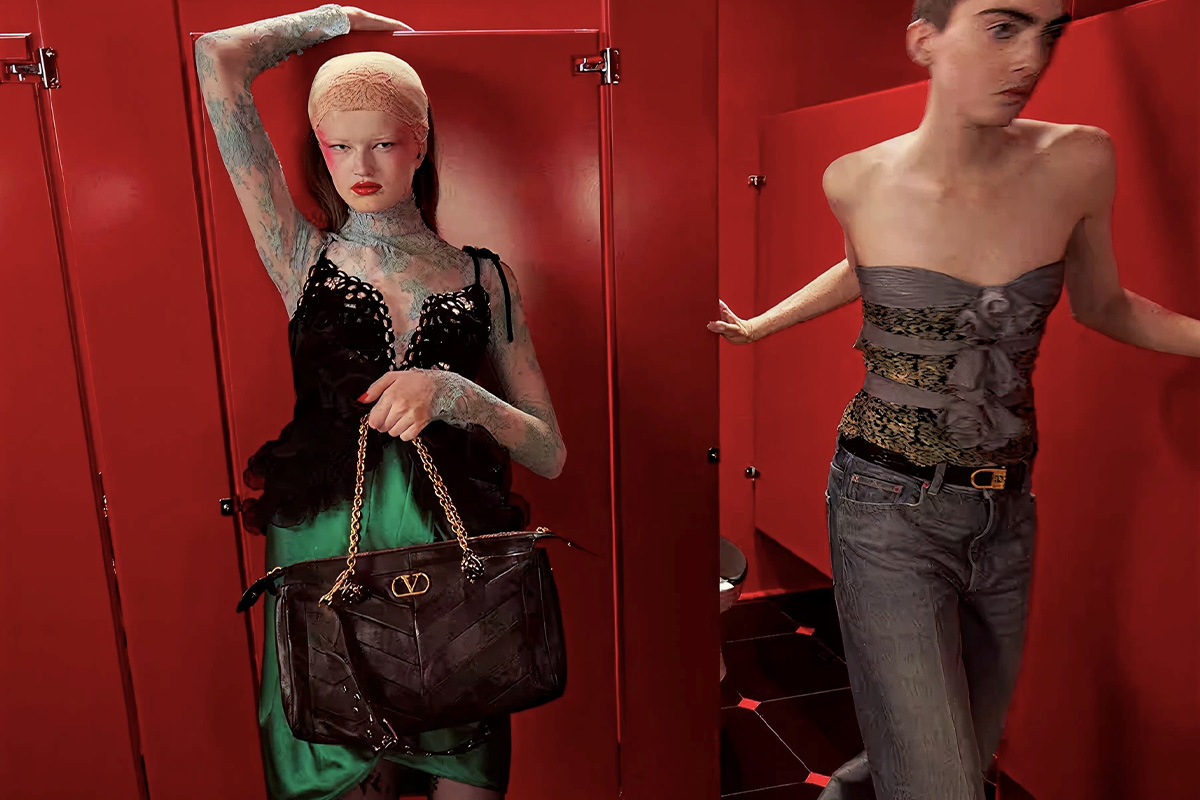
Valentino faces a different kind of transition. The passing of Valentino Garavani marks the end of an era, while Alessandro Michele continues to shape a new chapter for the maison. This season is expected to further define how Michele balances his own maximalist language with the refined emotional legacy Garavani built across decades. For the 1 percent, Valentino couture has always been about controlled drama and impeccable romance. The new question is what that romance looks like in 2026.
New calendar entries and the global couture conversation
Greek designer Celia Kritharioti joins the official couture calendar this season, formalizing what many insiders already recognized: her work has long operated at couture level, dressing global celebrities and building a reputation for precision glamour.
Her arrival reinforces a larger truth about couture today. Influence is no longer granted solely by Parisian tradition. It is earned through global visibility, client intimacy, and the ability to deliver craftsmanship at the highest level.
In a world where Ultra High Net Worth Individuals are increasingly global, couture must also reflect that global sensibility.
The notable absences that reshape the season
Equally telling is who is not present.
Maison Margiela, Balenciaga, Jean Paul Gaultier, Givenchy, and Iris van Herpen are among the names stepping away from this couture season. Their absence will be felt, but it also creates an opening. When major houses pause, the spotlight becomes sharper on those who remain, and couture becomes more competitive, not less.
For the 1 percent, this matters because couture is always about selection. The scarcity of a season defines its value. Fewer voices on the calendar means more attention on each collection, and a greater opportunity for new leaders to emerge.
What Paris Couture Week 2026 reveals about the future of Luxury Fashion Brands
Couture in 2026 is no longer only a celebration of fantasy. It is a signal of power, stability, and cultural credibility.
As the luxury industry continues to mature, the most successful Luxury Fashion Brands will be those that understand couture as a long term asset, not a marketing moment. It is a form of brand truth that cannot be replicated by campaigns, influencers, or viral product drops.
This season, couture stands at a crossroads. Some houses arrive ready to redefine the craft for a new generation. Others pause, regroup, or quietly step aside. And in that space between heritage and reinvention, the future of couture will be decided, one atelier decision at a time, one silhouette at a time, one stitch at a time.
Share Now
LATEST
POPULAR