

Versace Deepens Its Cultural Authority Through Art With “Embodied”
In a luxury landscape increasingly shaped by meaning rather than excess, Versace is reaffirming its position as a cultural force, not simply a fashion house. With the second chapter of Versace Embodied, the Italian Maison continues a long-form dialogue between fashion, identity, and artistic expression, placing itself firmly among luxury fashion brands that understand influence today is built through culture, not campaigns.
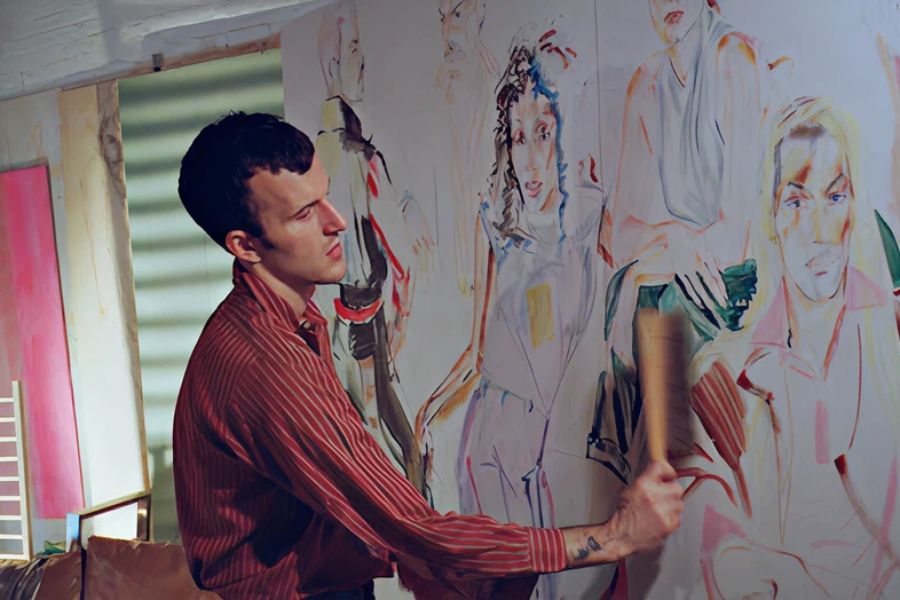
Unveiled earlier this month, the latest iteration of Versace Embodied moves beyond traditional marketing. Conceived as an ongoing conversation rather than a seasonal activation, the project reflects a broader shift within high luxury: storytelling that resonates with collectors, patrons, and the world’s most discerning clients.
Art as Strategy in the Age of the 1 percent
For Ultra High Net Worth Individuals, luxury is no longer defined solely by craftsmanship or price. According to global wealth studies, the ultra-wealthy now prioritize cultural capital, legacy, and emotional resonance as key drivers of engagement. With UHNWIs continuing to account for a disproportionate share of global luxury spending, brands that operate credibly within art, architecture, and intellectual culture are increasingly favored.
Versace Embodied aligns precisely with this shift.
Rather than commissioning artists to decorate products, Versace allows the works to exist independently. The art is not subordinated to fashion. Instead, fashion becomes part of a wider creative ecosystem, positioning the brand as a curator of contemporary thought and aesthetics.
A curated exploration of identity, body, and presence
The second chapter of Versace Embodied narrows its focus to a select group of artists working across photography, drawing, and performance. The result is a more concentrated, emotionally charged exploration of the body as a site of expression.
Japanese photographer Momo Okabe opens the narrative with vivid portraits that oscillate between intimacy and defiance. Her images capture individuals and couples with an unfiltered directness, reflecting themes of connection, vulnerability, and self-possession that resonate deeply in contemporary culture.
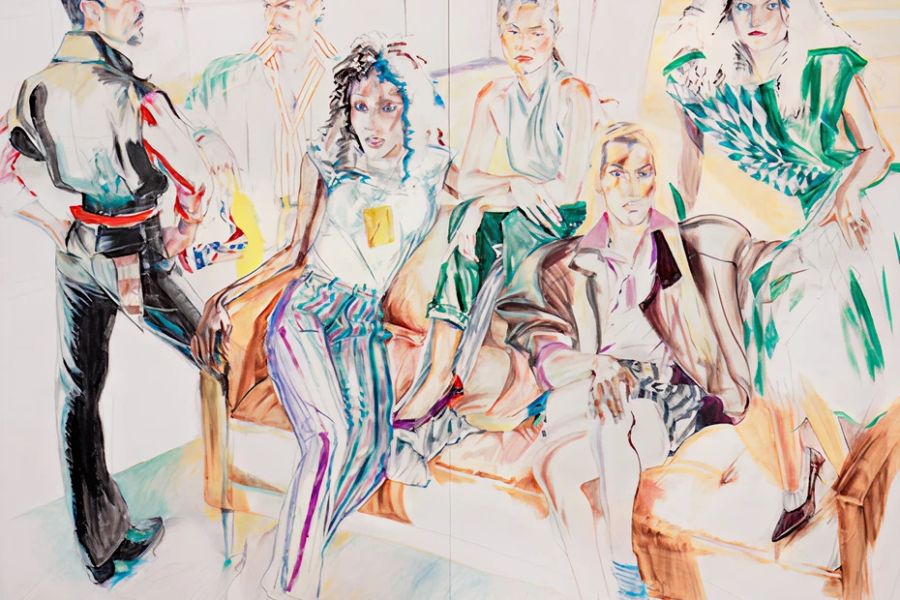
American artist Drake Carr contributes a central work developed through live drawing and movement. His composition studies six figures arranged in a shared space, their postures revealing both tension and harmony. Clothing becomes part of the anatomy, emphasizing how garments shape identity rather than merely adorn it.
Versace also reaches into its own visual history, presenting archival images by American photographer Doug Ordway from the 1990s. These works echo the house’s longstanding relationship with sensuality, strength, and glamour, grounding the project in Versace’s DNA while placing it in dialogue with the present.
Completing the sequence are documentary images captured by Jeff Mermelstein at the opera in 2025. The setting introduces a different register: ritual, elegance, and collective experience. Together, the works form a layered meditation on how identity is performed, observed, and remembered.
Why Luxury Fashion Brands are turning to culture, not collaboration
Unlike traditional artist collaborations that result in collectible products, Versace Embodied deliberately avoids commodification. This distinction is critical.
Across the luxury industry, brands are rethinking how they engage with art. While product-driven collaborations remain popular, leading luxury fashion brands are increasingly investing in institutional partnerships, patronage, and cultural programming. This reflects a recognition that UHNWIs often operate as collectors, benefactors, and cultural stakeholders, not consumers in the traditional sense.
Versace’s approach places it alongside houses that are expanding their influence beyond retail, positioning themselves as arbiters of taste and cultural relevance.
A signal of long term brand vision
At a time when the global luxury market is stabilizing after years of volatility, brands with clear cultural strategies are best positioned to retain relevance at the highest level. Industry forecasts continue to show that while aspirational demand fluctuates, the ultra-wealthy remain consistent in their spending, particularly when brands offer depth, authenticity, and long-term value.
Versace Embodied is not designed for immediacy. It is designed for memory.
By treating art as an equal partner rather than a marketing tool, Versace strengthens its long-term brand equity among the 1 percent, reaffirming that true luxury today lies in ideas, not noise.
In doing so, Versace reminds the industry that fashion’s most enduring power is not trend, but meaning.
Share Now
LATEST
POPULAR