

China’s Luxury Market Enters a Phase of Recalibration With Recovery on the Horizon
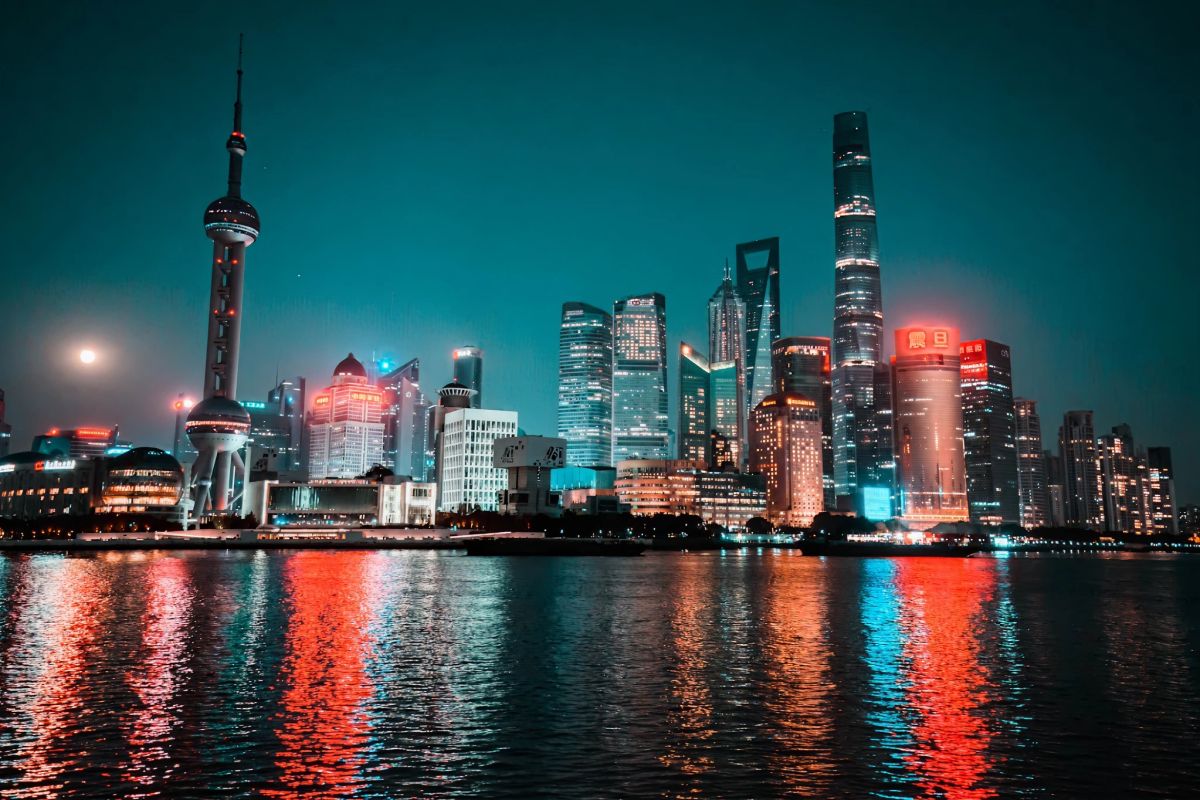
After a turbulent period of correction, China’s personal luxury market is showing early signs of stabilization.
While 2025 closed with a contraction estimated between three and five percent, the pace of decline has slowed markedly compared to the previous year, signaling a transition from disruption toward recovery. For Luxury Fashion Brands operating at the highest level, this moment represents not retreat, but strategic realignment.
China remains a critical pillar of global luxury. Despite short-term volatility, the country continues to host one of the world’s fastest-growing concentrations of high-net-worth and ultra-high-net-worth individuals. Recent global wealth data indicates that Asia now accounts for a substantial share of new UHNWI creation, with China at the center of this long-term shift. For the 1 percent, luxury consumption has not disappeared. It has become more selective, more intentional, and more value-driven.
The resilience of the ultra-wealthy shapes demand
While aspirational consumers have pulled back, ultra-wealthy clients continue to anchor the market. Industry analysis confirms that Very Important Clients represent a growing share of luxury spending in China, reinforcing a structural truth: when economic sentiment softens, the top tier sustains demand.
This has profound implications for Luxury Fashion Brands. In a more polarized environment, desirability, brand equity, and emotional resonance matter more than scale. The most resilient houses are those that deliver enduring value through craftsmanship, innovation, and cultural relevance rather than trend acceleration.
Category performance reveals shifting priorities
Luxury consumption in China during 2025 highlighted a clear recalibration across categories. Beauty emerged as the strongest segment, returning to growth with gains estimated between four and seven percent. Ultra-premium skincare and fragrance performed particularly well, reflecting the continued appeal of sensory, emotional luxury during periods of uncertainty.
Fashion declined at a more moderate pace than leather goods, with contraction in the mid-single digits. The relative resilience of fashion underscores the importance of creativity, renewal, and meaningful product narratives. In contrast, leather goods faced sharper pressure as repeated price increases and limited novelty made purchases harder to justify, even for affluent clients.
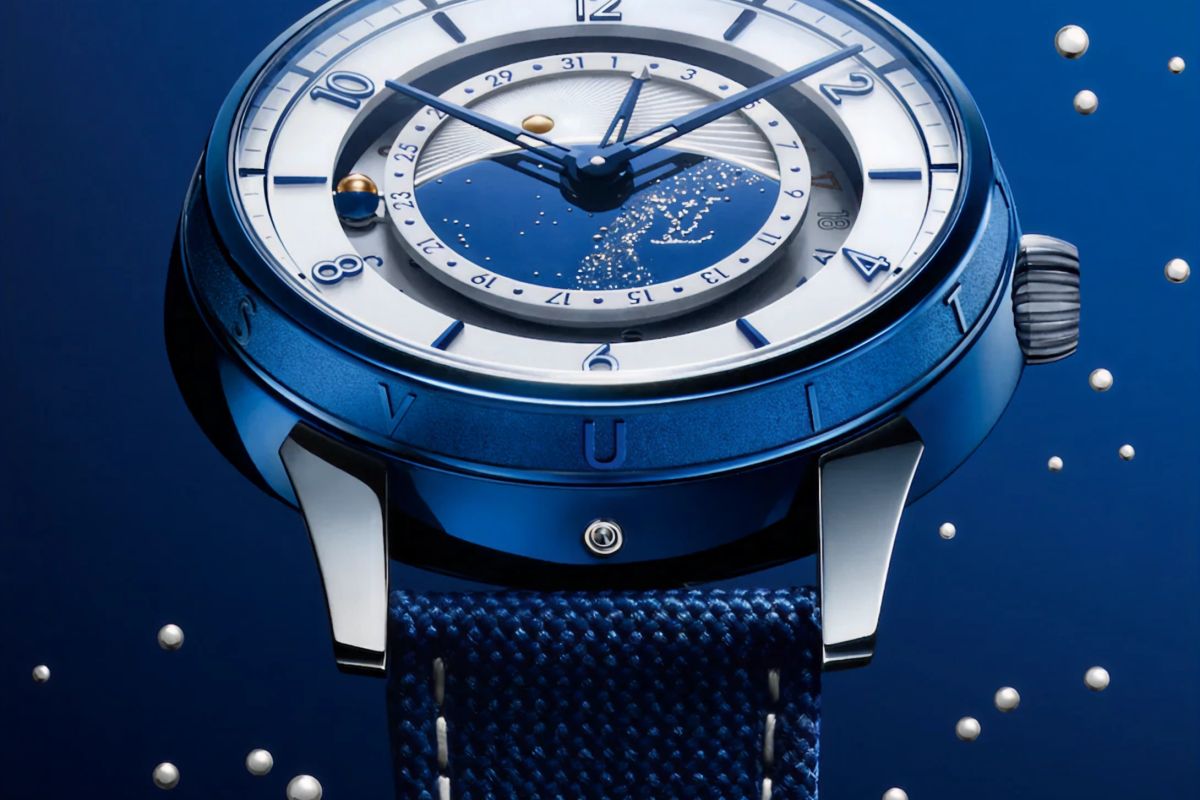
Watches experienced the most pronounced decline, reflecting a shift among wealthy consumers toward alternative investments, secondhand opportunities, and lifestyle-driven categories. Jewelry, however, showed renewed stability as value preservation and rising gold prices reinforced its appeal to long-term collectors.
For the 1 percent, these shifts illustrate a broader pattern. Luxury is no longer about accumulation. It is about discernment.
Mainland consumption regains momentum
One of the most notable developments in 2025 was the repatriation of luxury spending to mainland China. Approximately two-thirds of Chinese luxury purchases now take place domestically, reversing the outbound spending surge seen in prior years.
Several factors contributed to this shift. Narrower price gaps between China and major luxury capitals reduced the incentive to shop abroad, while domestic retail experiences improved significantly. High-end malls, private client services, and curated activations have made mainland shopping more compelling for elite consumers.
For Luxury Fashion Brands, this reinforces the importance of China not just as a volume market, but as a destination for elevated experiences tailored to the ultra-wealthy.
The rise of secondhand and controlled distribution
Alongside primary retail, China’s secondhand luxury market continued its rapid expansion, growing by an estimated fifteen to twenty percent. While still representing a relatively small share of overall luxury consumption, its growth reflects changing attitudes toward value, sustainability, and asset liquidity.
At the same time, brands have intensified efforts to control parallel channels and protect pricing integrity. Gray market activity remains present but increasingly regulated, signaling a more mature and disciplined ecosystem.
For UHNWIs, the expansion of authenticated resale platforms introduces flexibility without diluting prestige. Luxury is evolving into an ecosystem rather than a linear transaction.
Local brands and cultural relevance gain ground
A more selective market has also opened space for local Chinese luxury brands, particularly in beauty and culturally rooted categories. These players are leveraging deep cultural fluency, agile digital strategies, and competitive positioning to capture attention.
While global Luxury Fashion Brands retain dominance at the very top, the rise of local champions underscores a critical truth for international houses: cultural relevance is no longer optional.
Looking ahead to 2026
Industry forecasts point to modest growth returning in 2026, though volatility will persist. Improving consumer confidence, supportive policy signals, and continued wealth creation are expected to support a gradual rebound. Growth, however, will be uneven, favoring brands with clear identity, disciplined pricing, and strong relationships with the ultra-wealthy.
For the 1 percent, China’s luxury market is not losing its allure. It is maturing.
And for Luxury Fashion Brands capable of adapting to this new era of precision, patience, and purpose, the next chapter remains rich with opportunity.
Share Now
LATEST
POPULAR