

Yacht Draak Reimagined: Inside a Radical Transformation of the Modern Luxury Yacht
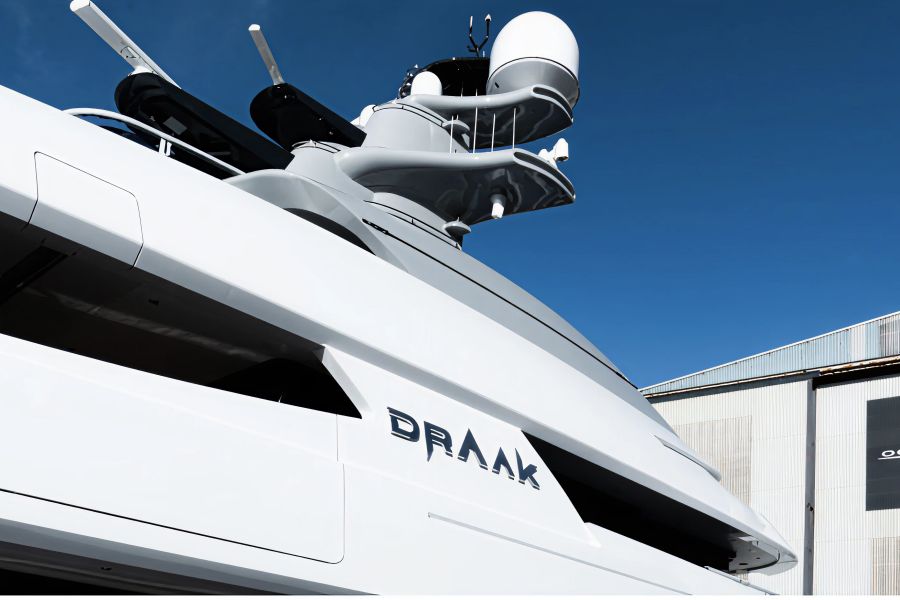
From Charter Icon to Strategic Support Yacht
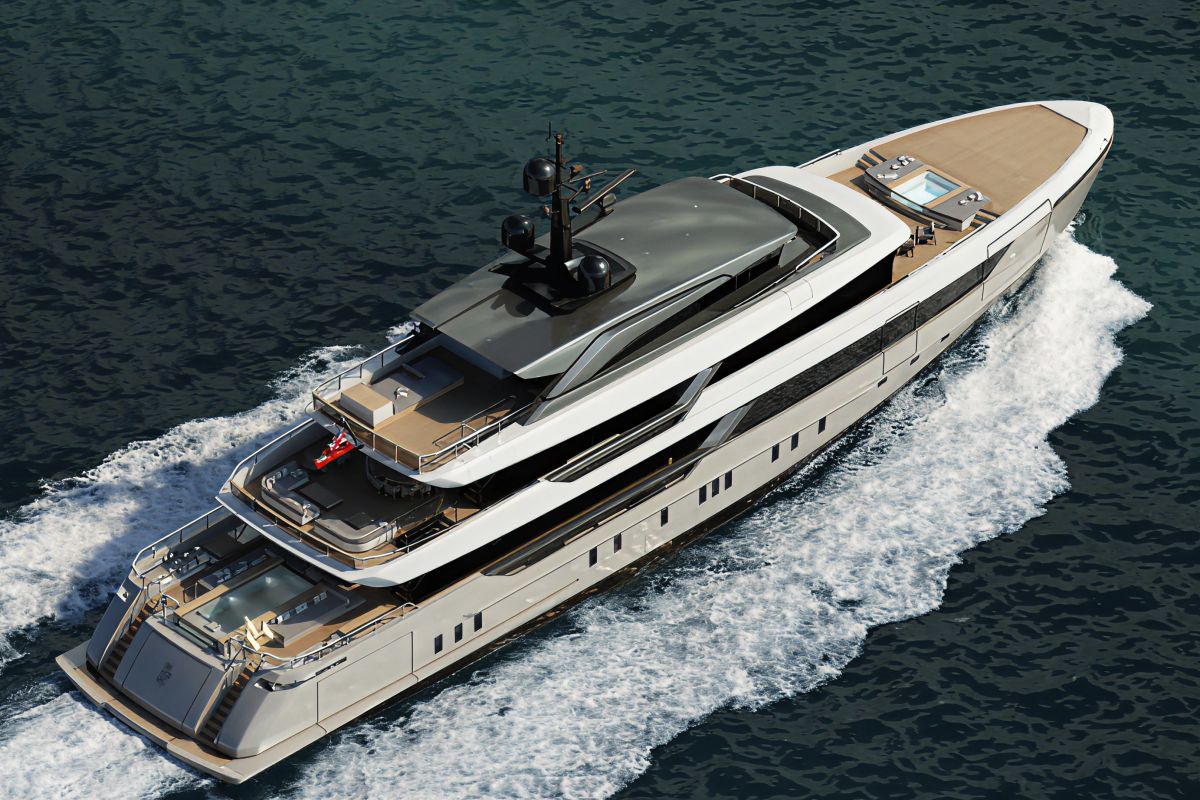
Delivered by Oceanco in 2014, the yacht originally made history as the first vessel to comply with the Passenger Yacht Code, allowing up to 18 guests on board. With expansive lounges, generous sun decks, and resort-style amenities, she quickly became one of the most recognisable charter yachts in the world.
That chapter has now closed.
Under the ownership of American technology entrepreneur Gabe Newell, the yacht—renamed Draak, the Dutch word for dragon—has been completely reimagined to support exploration, diving operations, and extended expeditions alongside her much larger sister yacht, Leviathan. This shift reflects a broader trend among UHNWIs: luxury yachts are no longer defined solely by indulgence, but by capability, autonomy, and purpose.
A Fleet Mentality for the Ultra-Wealthy
Newell’s approach mirrors a growing mindset among the 1%—treating yachts not as isolated assets, but as integrated fleets. Draak now functions as a shadow yacht, designed to enhance operational reach while preserving privacy, safety, and comfort for guests aboard the primary vessel.
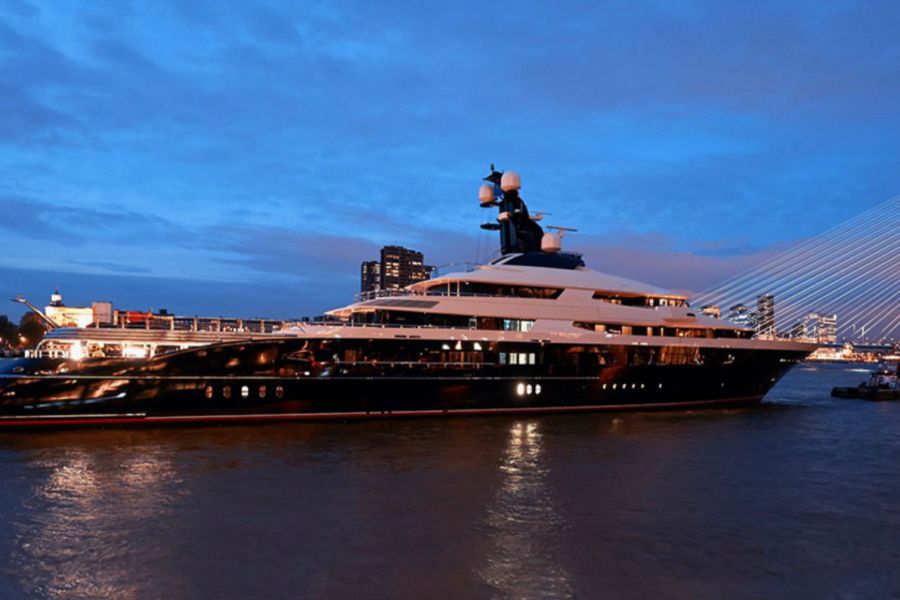
Crucially, the same project team responsible for the construction of Leviathan was assembled to oversee Draak’s transformation. According to Dan Morgan, Managing Director of YTMC, the rebuild required “re-engineering the yacht’s DNA,” involving close collaboration between Oceanco’s original designers, current engineering teams, subcontractors, and both crews.
Structural Changes That Redefine Capability
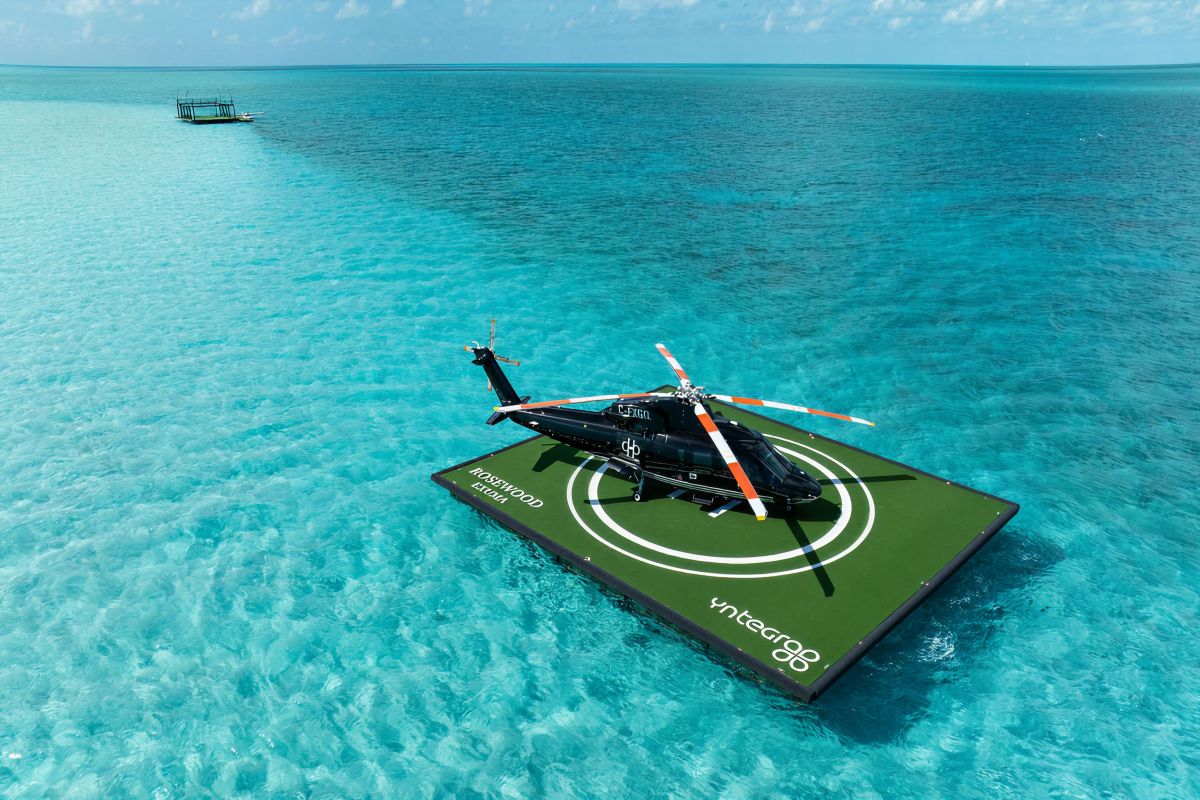
The most visible transformation occurred on deck. To enable serious dive operations, Oceanco removed the aft helideck on the upper deck—a dramatic but necessary move. In its place now stands a heavy-duty crane capable of handling a fully equipped dive tender, supported by robust C-shaped davits designed for stability and safety in demanding conditions.
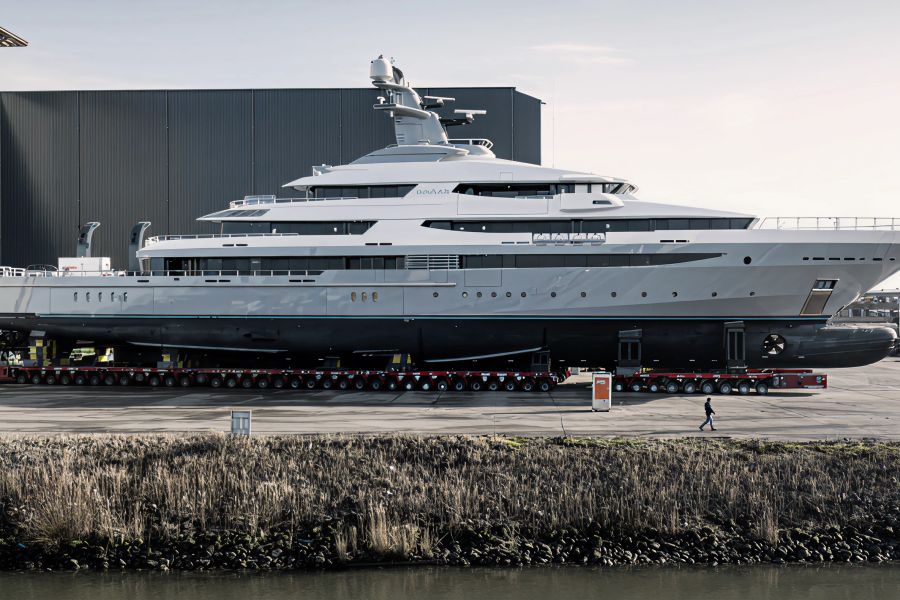
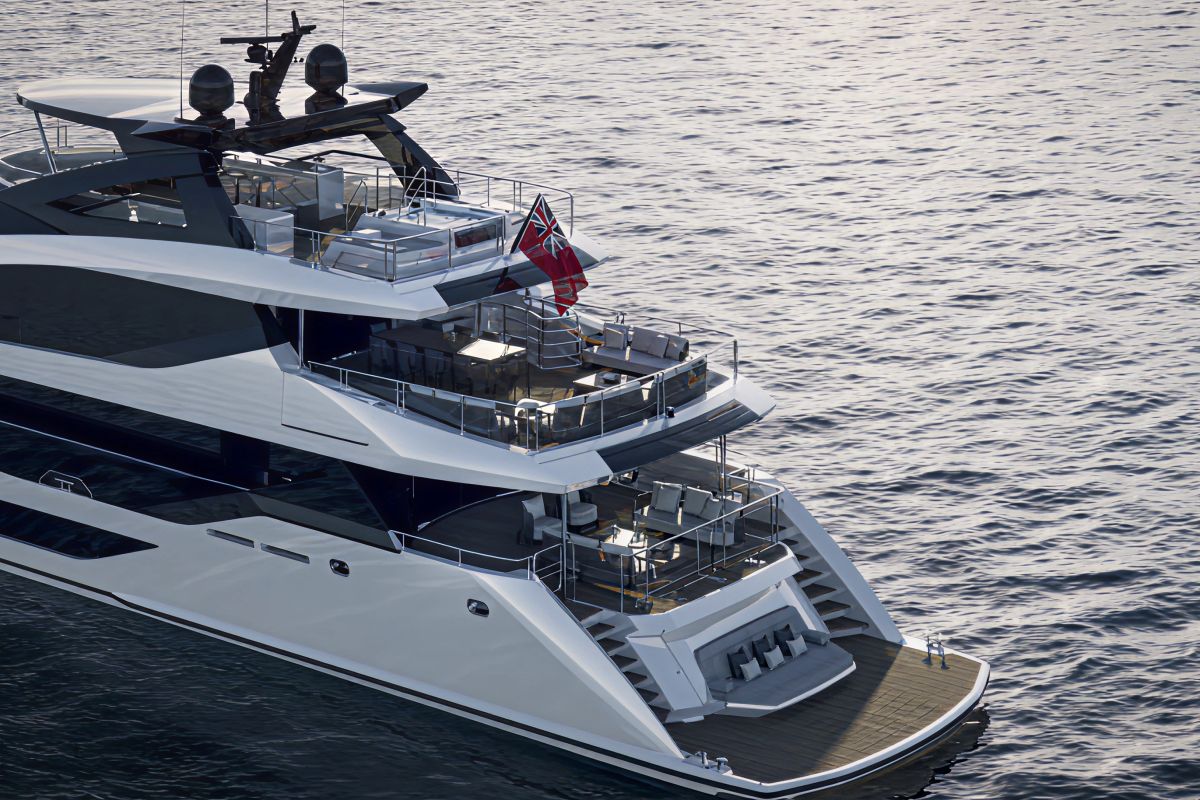
Guest and crew access was also prioritised. The boarding platform was extended by approximately one metre, allowing for retractable fenders and integrated swim steps—small details that significantly improve operational flow and comfort during frequent tender movements.
This emphasis on functional elegance defines the new generation of luxury yachts built for exploration rather than spectacle.
A Dive Yacht in Every Sense
Below deck, the transformation is even more profound. What was once a beach club and spa has been converted into a fully equipped dive centre, complete with a decompression chamber—an unmistakable signal that Draak is now designed for serious underwater activity.
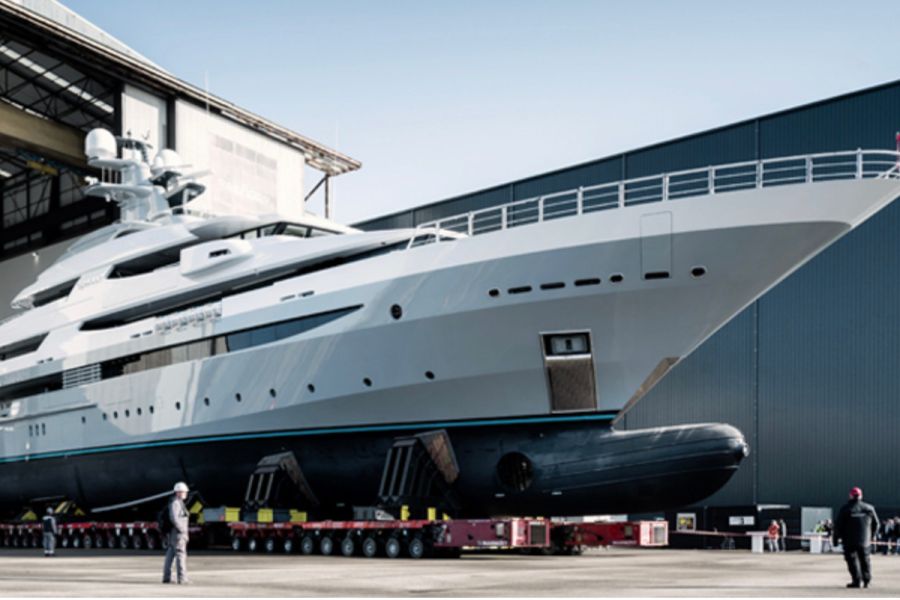
The main saloon has also been repurposed. Rather than a formal entertaining space, it now functions as a communal dining and crew hub, fostering a shared onboard culture between guests and expedition teams. A dedicated chef’s lab replaces the traditional galley setup, reinforcing the idea that storytelling, recovery, and connection are as important as luxury finishes.
Additional cabins provide flexibility, allowing the yacht to adapt seamlessly between guest-heavy voyages and crew-intensive missions.
Engineering Complexity at an Extreme Scale
Refits of this magnitude are rare—and extraordinarily complex. Edwin Schneider, Oceanco’s Life Cycle Support project manager, explains that the redesign required a complete overhaul of core systems, including ventilation and electrical infrastructure.
“When you change this much,” he notes, “everything is interconnected.” In practical terms, this meant opening up large sections of the yacht to ensure that new systems worked harmoniously without compromising safety, efficiency, or long-range capability.
The result is a yacht that now measures approximately 305 feet (93 metres) with a volume nearing 3,000 gross tons, retaining a transoceanic range of around 5,000 nautical miles.
What Yacht Draak Represents for the 1%
The rebirth of Yacht Draak is emblematic of a deeper shift within the luxury yacht market. According to global wealth intelligence, UHNWIs are increasingly investing in purpose-built yachts—support vessels, research platforms, and expedition ships that expand what private ownership can achieve.
For the 1%, this is not about excess. It is about control, capability, and legacy.
Draak is no longer a symbol of charter-era luxury. She is a strategic asset—designed to operate quietly, efficiently, and powerfully in service of exploration. Her dragon-inspired name is no coincidence.
As she prepares for sea trials and final delivery, Yacht Draak stands as a compelling case study in what the future of the luxury yacht looks like when imagination is matched by engineering—and when ownership is guided by vision rather than convention.
For The 1%, this is the new benchmark.
Share Now
LATEST



POPULAR