

Prada Group Signals a Strategic Reset at Versace with the Appointment of Pieter Mulier
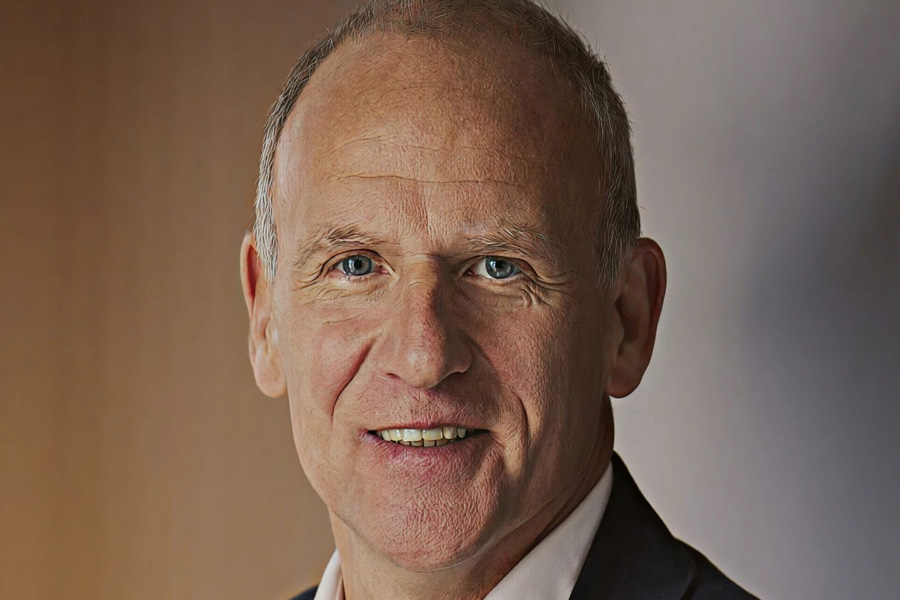
The appointment of Pieter Mulier as Creative Director of Versace marks a pivotal moment not only for the Italian house but for the broader ecosystem of Luxury Fashion Brands navigating a rapidly evolving global market.
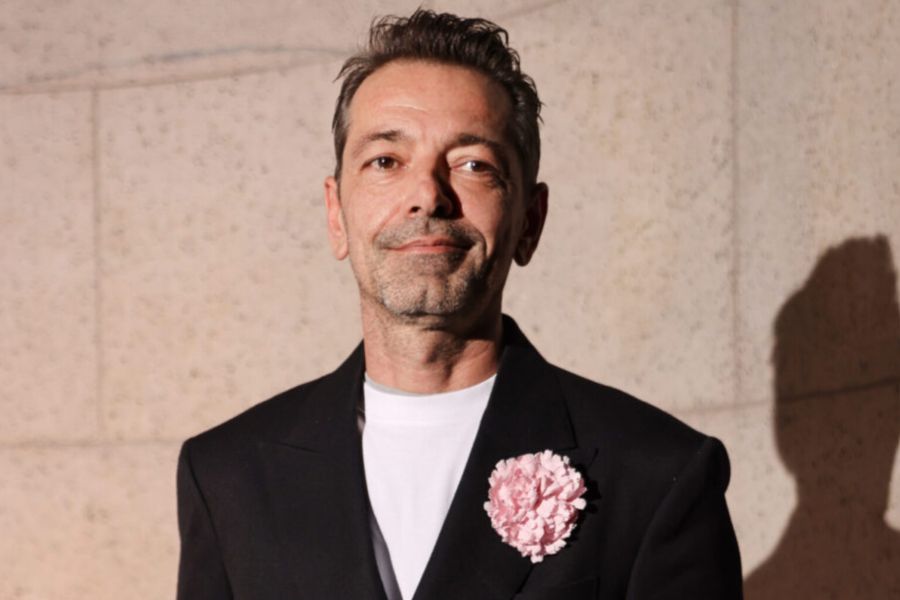
Officially stepping into the role on July 1, Mulier is expected to debut his first Versace collection as early as September, offering an early glimpse into how Prada Group intends to reposition one of fashion’s most iconic names.
Versace now enters a new chapter under Prada Group ownership, at a time when luxury consumption is increasingly shaped by Ultra High Net Worth Individuals. According to recent global wealth data, UHNWIs now control more than 38 percent of all luxury spending worldwide, despite representing a fraction of the consumer base. This concentration of purchasing power has forced leading Luxury Fashion Brands to rethink not only creative direction, but long term brand relevance, product depth and cultural authority.
Mulier’s arrival reflects this recalibration.
Following a highly respected tenure at Alaïa, where he became the first designer to steward the house after its founder, Mulier demonstrated an ability to merge architectural discipline with sensual modernity. Under his leadership, Alaïa evolved into a sharper, more commercially balanced brand while preserving its couture integrity. Accessories became a growth engine, craftsmanship remained central, and the brand regained its relevance among elite collectors and tastemakers.
This experience is particularly relevant for Versace. While the house retains enormous cultural recognition, its challenge has been transforming its powerful visual codes into sustained desirability for the world’s most discerning clientele. Today’s top luxury consumers are not driven by logos alone. They seek coherence, scarcity, craftsmanship and long term value.
Prada Group’s decision to appoint Mulier signals a desire to move Versace away from seasonal spectacle and toward enduring cultural capital.
The timing is deliberate. The global personal luxury market is projected to stabilize after recent volatility, with Bain and Altagamma estimating annual spending at approximately €360 billion. Within this landscape, UHNWIs have proven remarkably resilient, maintaining spending levels even as aspirational consumers pull back. This has created a widening gap between brands that rely on volume and those that cultivate depth.
Versace, historically synonymous with glamour and excess, now faces the opportunity to evolve into a more considered luxury proposition without losing its identity. Mulier’s design language suggests a path forward that emphasizes structure, precision and sensuality without dilution.
While Miuccia Prada’s strategic influence remains central within the group, the appointment underscores Prada Group’s confidence in giving Versace a distinct creative voice rather than folding it into a homogeneous luxury narrative. For the most powerful Luxury Fashion Brands, differentiation has become the ultimate currency.
From an investment perspective, creative leadership is no longer symbolic. For the 1%, brand direction directly impacts long term value, collectability and cultural relevance. UHNWIs increasingly view fashion through the lens of legacy, not trend. This shift favors houses that can articulate a clear creative philosophy across years, not seasons.
Mulier’s mandate is therefore as strategic as it is artistic. His work at Versace will be measured not just by runway reception, but by the house’s ability to reconnect with top tier clients, expand its accessories authority, and reclaim its position among the most influential Luxury Fashion Brands globally.
As Versace prepares for its next runway moment, the industry will be watching closely. In an era where luxury power is consolidating and expectations are sharpening, this appointment may define not just a collection, but the future trajectory of the house itself.
Share Now
LATEST
POPULAR