

Luxury Fashion Brands and the 341 Billion Dollar Future of Discreet Power
Luxury Fashion Brands are entering a decade defined not by excess, but by precision.
According to recent industry forecasts, the global luxury fashion market is projected to reach 341 billion dollars by 2034, rising steadily from approximately 261 billion dollars in 2025. The projected compound annual growth rate of just over 3 percent may appear measured. Yet for the 1%, measured growth signals something more important than speed. It signals resilience, structural strength, and long term capital stability.
This is not a cycle driven by trend volatility. It is an evolution driven by Ultra High Net Worth Individuals reshaping the very architecture of fashion consumption.
The Expanding Power of the Ultra Affluent
The future of Luxury Fashion Brands cannot be separated from the trajectory of global wealth concentration.
Recent wealth intelligence reports indicate that the global population of Ultra High Net Worth Individuals, those holding more than 30 million dollars in assets, continues to expand despite macroeconomic turbulence. Over the next five years, more than 300 million new luxury consumers are expected to enter the broader high end market, driven largely by generational wealth transfer and entrepreneurial liquidity events. At the very top tier, the number of UHNWIs is forecast to grow steadily across North America, the Middle East, and parts of Asia.
The 1% are not simply spending more. They are spending differently.
They prioritize rarity over recognition. Craft over conspicuousness. Longevity over logos.
This shift is fundamentally redefining the strategies of Luxury Fashion Brands.
Personalization as a Status Language
The era of passive consumption is over. The modern luxury client expects dialogue, not display.
Leading Luxury Fashion Brands are integrating advanced digital intelligence into private client experiences. AI powered wardrobe curation, biometric informed tailoring, and augmented reality customization are transforming couture into a hyper personal encounter. Clients are no longer selecting from collections. They are co creating them.
This matters because Ultra High Net Worth Individuals value control. In private aviation, in real estate, in art acquisition, and now in fashion. The ability to influence silhouette, fabrication, finishing, and delivery timeline elevates clothing from product to collaboration.
In a market where exclusivity is the ultimate currency, personalization becomes the highest form of status.
Omnichannel Without Friction
While flagship boutiques remain central, the distinction between physical and digital environments has dissolved.
Research shows that affluent consumers engaging across multiple brand touchpoints spend significantly more than those interacting through a single channel. For the 1%, seamless transition between private showroom appointments, encrypted digital consultations, and invitation only salon experiences is no longer innovation. It is expectation.
Luxury Fashion Brands are investing heavily in integrated ecosystems. Blockchain backed product passports verify provenance instantly. Private digital vaults archive client wardrobes. Concierge teams coordinate fittings across continents.
For Ultra High Net Worth Individuals who live globally, fashion must travel as fluidly as they do.
Quiet Luxury and the Return to Intrinsic Value
One of the most profound shifts within Luxury Fashion Brands is the acceleration of quiet luxury.
The era of overt logomania is giving way to a more disciplined aesthetic defined by material excellence and architectural tailoring. Brushed cashmere, hand finished leather, invisible stitching, perfect proportion. Status is communicated through knowledge, not branding.
This evolution mirrors broader wealth behavior. Studies show that Ultra High Net Worth Individuals increasingly allocate capital toward assets with intrinsic and enduring value, whether in fine art, heritage watches, or trophy real estate.
Fashion is following the same trajectory.
Brands prioritizing timeless design and uncompromising craftsmanship are outperforming those dependent on seasonal spectacle. Pieces are purchased not as disposable statements but as wardrobe investments with multi decade relevance.
For the 1%, subtlety is the ultimate luxury.
Wellness as the New Dimension of Luxury
Another emerging frontier for Luxury Fashion Brands is the integration of wellness.
Health and longevity have become dominant priorities among Ultra High Net Worth Individuals. The global longevity economy continues to expand as affluent individuals invest in preventative medicine, biometric tracking, and performance optimization.
Fashion is responding.
High end houses are experimenting with advanced textiles capable of regulating temperature, reducing stress responses, and enhancing comfort without compromising aesthetic integrity. These are not sports garments. They are boardroom appropriate, travel ready, and discreetly intelligent.
Luxury is no longer only about how something looks. It is about how it supports peak living.
Circular Prestige and the Controlled Secondary Market
The secondary market for Luxury Fashion Brands has matured into a strategic pillar rather than a peripheral resale channel.
Affluent consumers increasingly view high fashion as a tradable asset class. Buy back programs, restoration ateliers, and certified vintage platforms are being launched directly by heritage houses. By controlling resale channels, brands protect pricing power while reinforcing the narrative of permanence.
This model aligns perfectly with Ultra High Net Worth psychology. Heirloom mentality dominates purchasing decisions. Garments are archived, insured, passed down, or traded within private networks.
Luxury fashion is becoming less transactional and more generational.
Monumental Retail as Cultural Capital
Despite digital acceleration, physical retail remains dominant, accounting for nearly three quarters of market share. But boutiques are no longer simply points of sale.
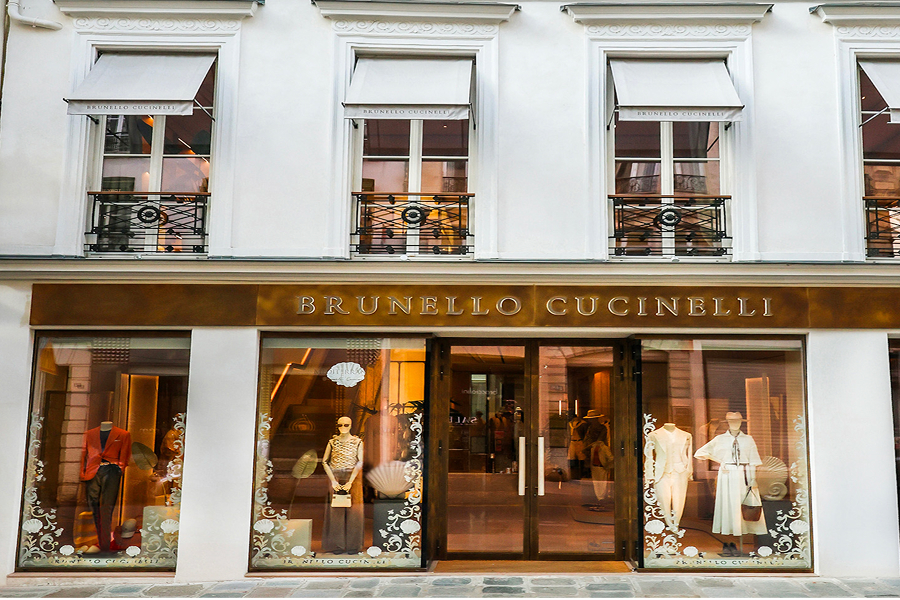
Luxury Fashion Brands are constructing architectural flagships that function as cultural institutions. Private dining salons, art installations, wellness suites, and invitation only events transform retail into destination experiences.
In emerging wealth corridors across the Middle East and Southeast Asia, these monumental spaces signal permanence and power. For Ultra High Net Worth Individuals, presence is influence.
The boutique becomes both social arena and cultural statement.
Regional Power and Global Wealth Corridors
Europe continues to hold a significant share of the luxury fashion market, supported by heritage craftsmanship and fashion capitals such as Paris and Milan. North America remains structurally strong, particularly within private client and couture segments.
Meanwhile, the Middle East and Asia are expanding rapidly as new wealth centers accelerate. The Gulf region in particular has witnessed rising concentrations of Ultra High Net Worth Individuals, with sovereign capital, family offices, and entrepreneurial wealth fueling demand for bespoke luxury.
Luxury Fashion Brands are responding by building regional ateliers, private salons, and culturally attuned collections tailored to these elite markets.
The geography of influence is widening.
The 1% and the Future of Luxury Fashion Brands
The projected 341 billion dollar valuation of the global market by 2034 is not merely a growth statistic. It is evidence that Luxury Fashion Brands have successfully recalibrated toward structural wealth.
For the 1%, fashion is no longer seasonal indulgence. It is identity architecture. It is capital allocation. It is discreet signaling within private circles of influence.
As generational wealth transfer accelerates and new Ultra High Net Worth Individuals emerge from technology, finance, and private equity, the demand for rarity, personalization, and cultural depth will intensify.
The next decade will not reward noise.
It will reward mastery.
And Luxury Fashion Brands that understand the psychology of the 1% will not simply grow. They will define the codes of power for a new era of global affluence.
Share Now
LATEST
POPULAR