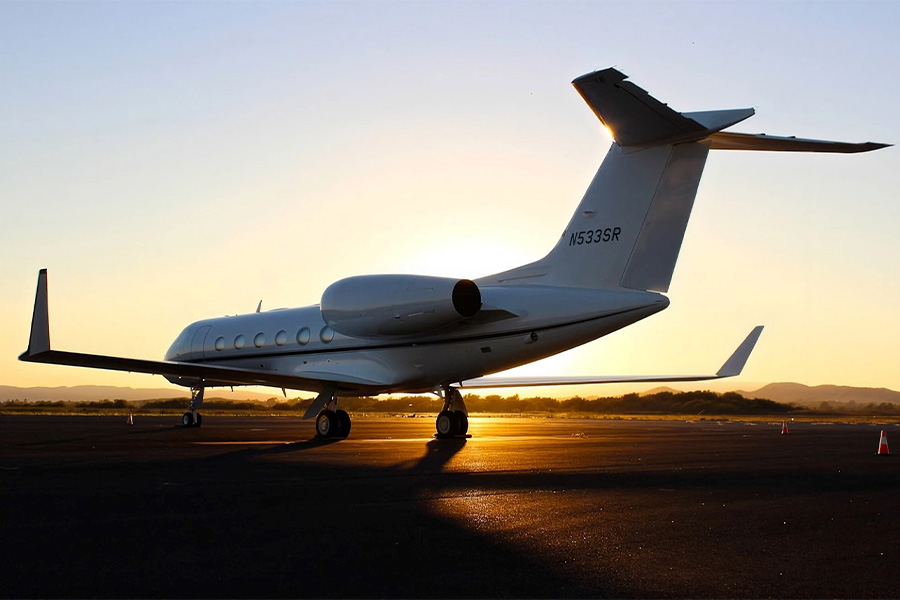


How the 1% Think About a Luxury Private Jet as a Strategic Asset
For the 1%, a luxury private jet is best approached as a strategic mobility asset within a broader wealth architecture. It is not framed emotionally. It is evaluated structurally.

When positioned correctly, a business aircraft becomes a precision instrument for time control, global access, and intelligent tax planning.
Here is how to think about it.
1. Structure Ownership Around Business Use
A luxury private jet can qualify as five-year property under current tax frameworks when primarily used for business. This allows accelerated depreciation and, in certain periods, bonus depreciation.
The key is disciplined structuring.
- Maintain business usage above the required threshold.
- Document flight activity thoroughly.
- Integrate aviation governance into your family office or corporate compliance framework.
When structured with precision, depreciation becomes a powerful timing strategy that aligns tax efficiency with operational reality.
2. View Depreciation as Capital Optimization
Depreciation is a tool for reducing taxable income in high-earning years. It enhances liquidity management and allows capital to be deployed elsewhere inside your portfolio.
For Ultra High Net Worth Individuals, who often experience variable income tied to exits, dividends, or performance cycles, this timing advantage can be significant.
Think of it as cash flow engineering, not cost elimination.
A luxury private jet fits into a broader capital strategy when aligned with business expansion, acquisition activity, or international growth.
3. Recognize the True Asset: Time
Global private jet activity reached nearly 3.9 million flights in 2025, a record year. North American flight activity recorded its strongest non-pandemic year-over-year growth. Honeywell projects 8,500 new business jet deliveries over the next decade, representing 283 billion dollars in aircraft value.
At the same time, the Ultra High Net Worth population continues to expand. The United States has been adding more than 1,000 new millionaires per day in recent years, and global UHNWI numbers are projected to rise meaningfully over the next five years.
As wealth scales globally, so does geographic complexity.
A luxury private jet compresses multi-city travel into a single operating day. It allows deal velocity. It protects confidentiality. It transforms mobility into competitive advantage.
For the 1%, the return on time often outweighs the arithmetic of ticket cost comparisons.
4. Integrate Aviation into Long-Term Planning
Aircraft ownership is most powerful when integrated into long-term strategy.
Fractional ownership, charter, lease structures, and full ownership each serve different objectives. Younger entrepreneurs are increasingly choosing fractional models for flexibility, while established family offices often prefer controlled fleet structures.
When aligned with operating companies, international expansion, and asset diversification, aviation becomes part of a holistic wealth infrastructure.
A luxury private jet is then positioned as an executive platform rather than a discretionary expense.
5. Align Tax Strategy With Operational Purpose
Tax treatment exists to support legitimate business activity.
When your aircraft is embedded in real operational use, the accounting framework works in harmony with economic function. The result is clarity, compliance, and efficiency.
The 1% approaches aviation as a business instrument first and a lifestyle enhancement second.
That mindset is what separates financial intelligence from financial noise.
The Strategic Perspective
For the 1%, a luxury private jet represents:
- Controlled mobility
- Capital timing efficiency
- Global reach
- Strategic leverage
It is a platform for expansion, influence, and velocity.
When structured properly, it becomes a refined extension of your enterprise and your personal freedom.
Share Now
LATEST
POPULAR

The latest trade data highlights the international influence of the UK's distilling expertise while reinforcing the long term appeal of collectible spirits for The 1%.
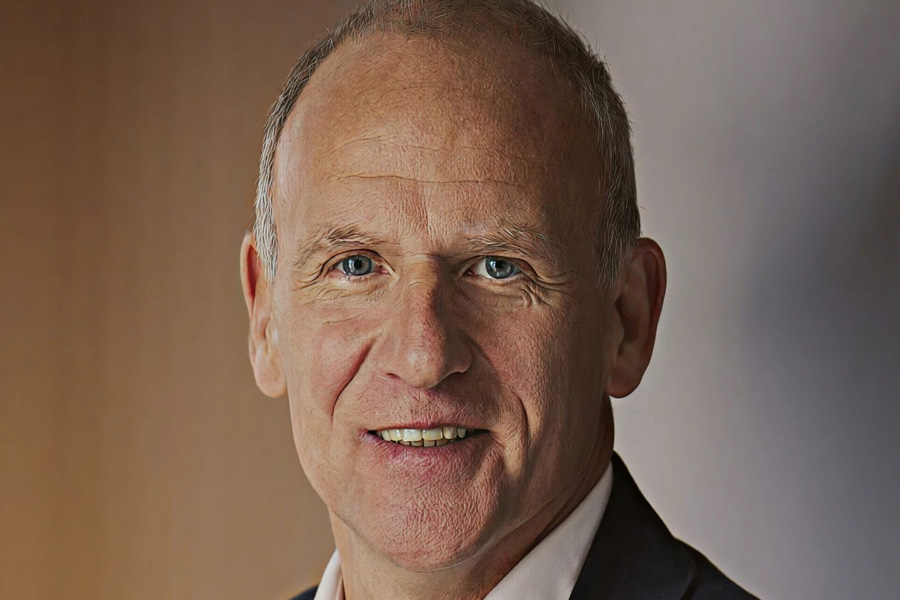
Diageo, among the world's most distinguished premium drinks companies, now enters a new chapter under the leadership of CEO Sir Dave Lewis.
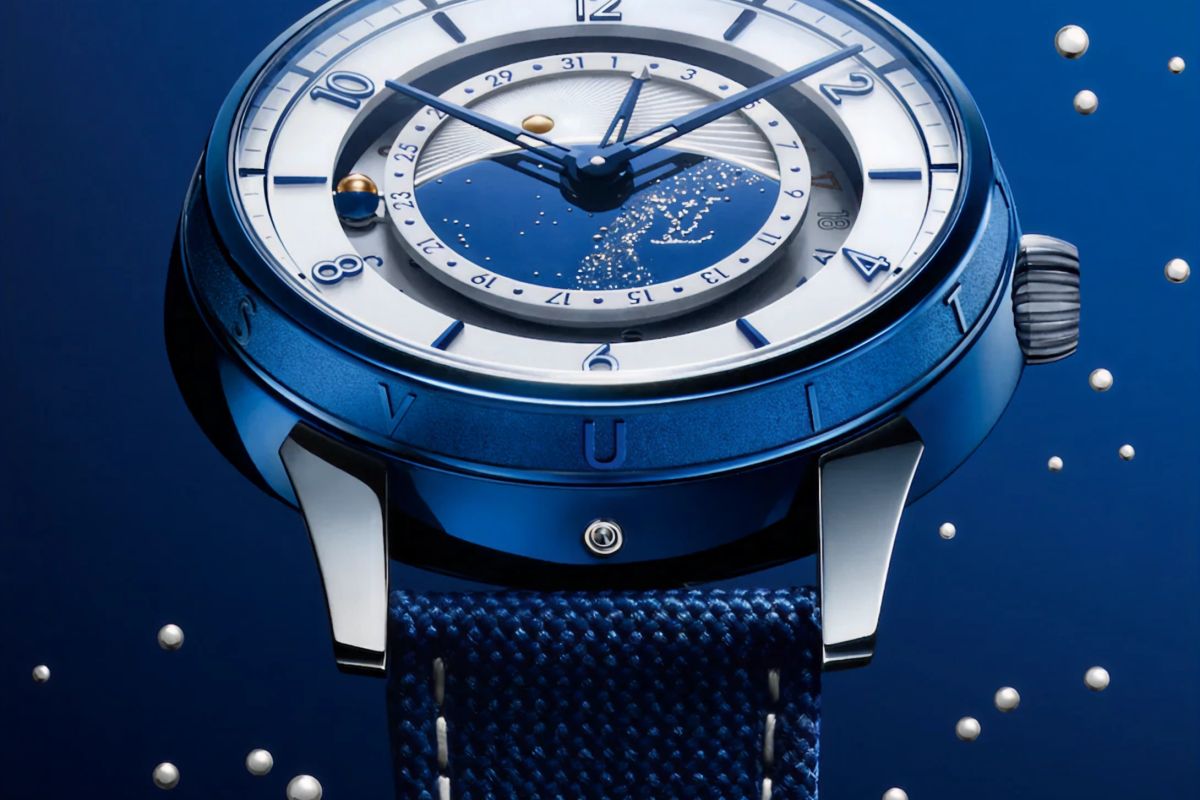
The collaboration brings together the storied Maison and independent master watchmaker Denis . . .