

Why Hermès Continues to Outperform and What It Signals for Luxury Fashion Brands in the Age of the 1%
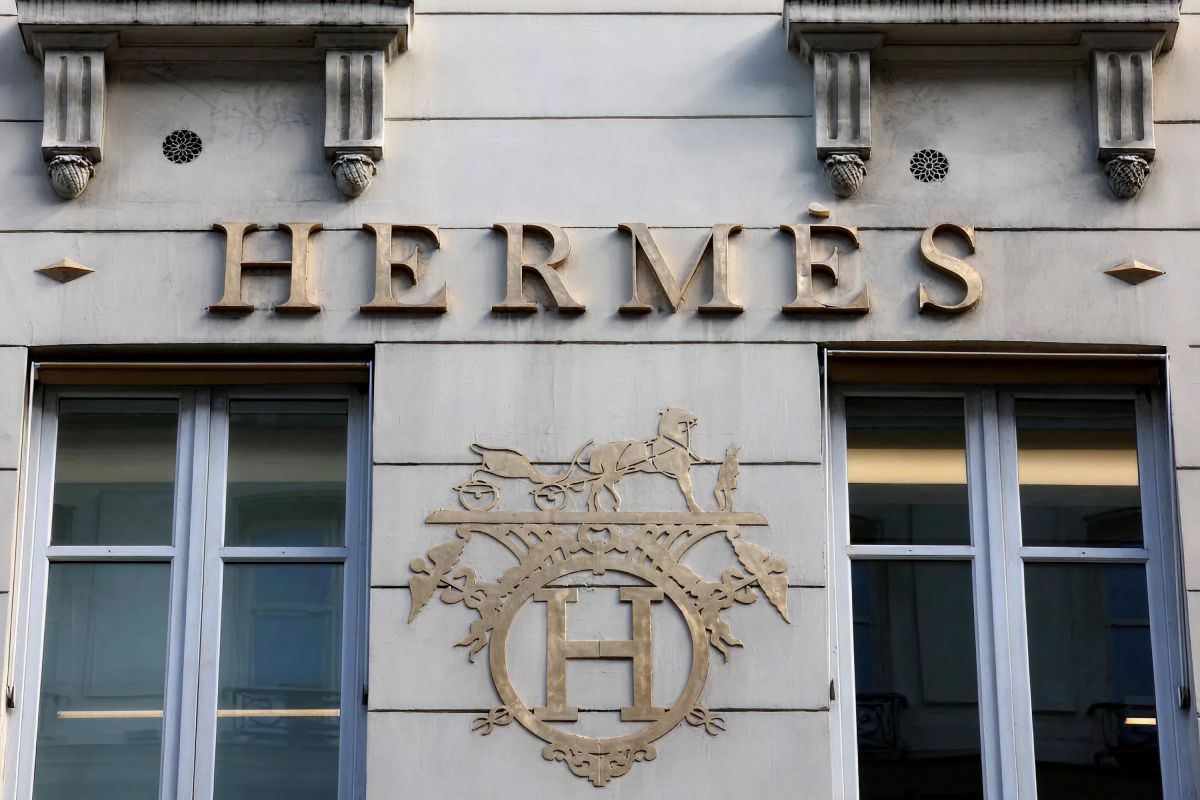
In a year defined by selective spending and recalibrated aspiration, Hermès has once again demonstrated why certain Luxury Fashion Brands operate in a different stratosphere.
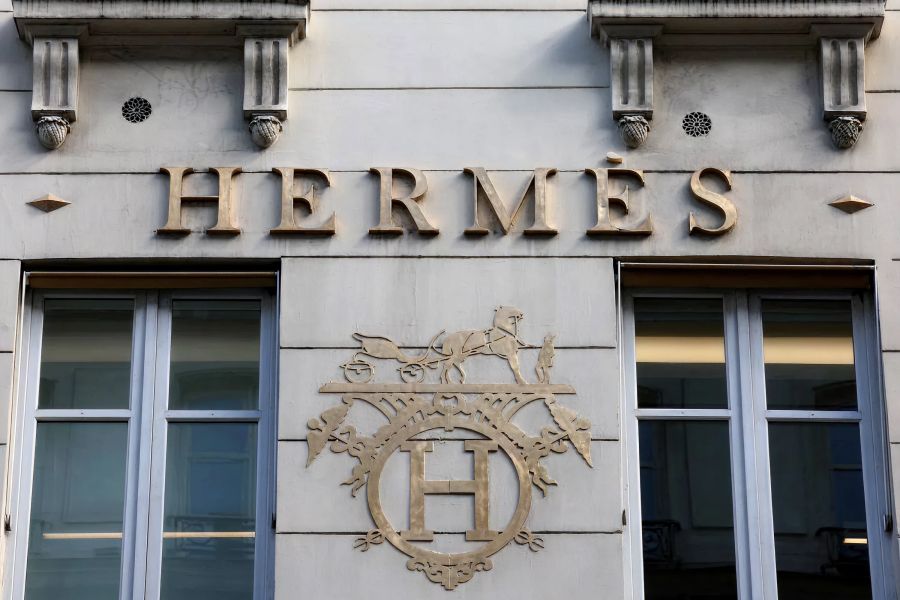
The French house reported fourth quarter 2025 revenue of 4.1 billion euros, marking a 9.8 percent increase year on year at constant exchange rates. For the full year, sales reached 16 billion euros, up 8.9 percent. In a luxury environment where several conglomerates posted flat or declining fashion revenues, Hermès accelerated.
For the 1%, this is not merely an earnings update. It is a signal.
Performance That Reflects Structural Strength
While major players within the luxury sector experienced volatility, Hermès delivered steady growth across regions and categories. Leather goods and saddlery rose by 14.6 percent in the quarter. Ready to wear and accessories increased by 7.1 percent. Jewelry and homeware advanced by 12.9 percent.
This consistency matters.
Recent global wealth reports show that the population of Ultra High Net Worth Individuals continues to expand, with thousands of new individuals surpassing the 30 million dollar threshold each year. North America remains home to the largest concentration of UHNWIs, while the Middle East and parts of Asia are among the fastest growing wealth corridors.
Luxury Fashion Brands that are deeply embedded in these private client ecosystems are structurally advantaged. Hermès is one of them.
The Geography of Elite Consumption
Growth for Hermès was broad based. The Americas rose by 12.1 percent. Europe increased 9.5 percent. Japan delivered 11.2 percent growth. The Middle East contributed to a 13.5 percent rise within its regional grouping. Asia Pacific grew 8 percent, with China remaining resilient despite broader market caution.
This aligns with broader UHNWI wealth distribution trends. The United States continues to lead in billionaire and centi millionaire creation, while the Gulf region is experiencing strong capital inflows driven by sovereign investment, private equity, and family office expansion. China remains one of the largest luxury consumption markets globally, even as purchasing patterns become more selective.
For the 1%, geography is fluid. Luxury Fashion Brands must perform consistently across continents because their clients do not operate within one.
Leather as Financial Language
The strongest growth category for Hermès remains leather goods.
This is not accidental.
Ultra High Net Worth Individuals increasingly treat certain luxury items as hybrid lifestyle and asset purchases. Iconic handbags have demonstrated resilience in the secondary market, often outperforming traditional asset classes during periods of volatility. Controlled distribution, long waitlists, and exceptional craftsmanship preserve scarcity.
Luxury Fashion Brands that protect supply discipline maintain pricing power.
Hermès also confirmed it will raise prices by an average of 5 to 6 percent in 2026 following a 6 to 7 percent increase in 2025. For aspirational consumers this may create pressure. For the 1%, it reinforces positioning.
Price integrity is a form of brand authority.
Outperforming in a Polarized Market
The broader luxury landscape tells a different story. Some conglomerates reported minimal growth, while others experienced declines within fashion and leather goods divisions.
This divergence reflects what Bain and Altagamma have identified as a structural polarization within luxury. Growth is increasingly concentrated at the very top of the pyramid. Ultra affluent clients remain active, while aspirational spending is more sensitive to economic cycles.
The future of Luxury Fashion Brands belongs to those calibrated for the highest tier.
Hermès operates within controlled scale. Limited store openings. Measured expansion. Craftsmanship that cannot be industrialized. In China, the brand continues to expand selectively with 32 boutiques and additional openings planned globally, including London’s New Bond Street.
Controlled growth protects exclusivity.
Couture and the Reinforcement of Rarity
Hermès also confirmed progress toward couture development, having recruited dedicated ateliers.
For Ultra High Net Worth Individuals, couture represents more than fashion. It represents narrative intimacy with the house. It deepens personal relationships and reinforces status within private circles.
As the global population of UHNWIs grows and generational wealth transfer accelerates, demand for ultra bespoke experiences across art, real estate, aviation, and fashion is intensifying.
Luxury Fashion Brands entering couture are not chasing scale. They are fortifying cultural capital.
Beauty’s Strategic Recalibration
Not all segments delivered equal performance. Perfume and beauty declined during the quarter, reflecting distribution complexities and the challenges of scaling wholesale partnerships while maintaining exclusivity.
Yet even here, the strategy is clear. Hermès intends to expand carefully across perfume, makeup, and eventually skincare once operational autonomy is achieved.
For the 1%, coherence matters more than speed.
Luxury Fashion Brands that grow too aggressively risk diluting prestige. Those that expand deliberately preserve authority.
What This Means for the 1%
The global luxury fashion market is projected to approach 341 billion dollars by 2034. Yet growth will not be evenly distributed.
Reports indicate that more than 300 million new consumers will enter the broader luxury ecosystem within five years, driven by Gen Z and Gen Alpha maturation alongside a 20 percent rise in high net worth individuals. However, spending concentration will continue to skew toward the top percentile.
The 1% define trajectory.
Luxury Fashion Brands that prioritize craftsmanship, scarcity, geographic agility, and private client intimacy will continue to outperform. Those dependent on volume expansion or logo driven visibility will face greater pressure.
Hermès represents a case study in structural luxury discipline.
Not explosive growth.
Not aggressive diversification.
But calibrated expansion aligned with the psychology of Ultra High Net Worth Individuals.
In a market increasingly divided between noise and mastery, the winners will be the houses that understand one truth:
For the 1%, luxury is not consumption.
It is quiet power expressed through objects that endure.
Share Now
LATEST
POPULAR