

When Innovation Becomes Legacy: Why Boucheron’s Donation to the V&A Matters to the 1%
In the world of luxury jewelry, true immortality is not measured by carat weight alone. It is measured by cultural permanence.
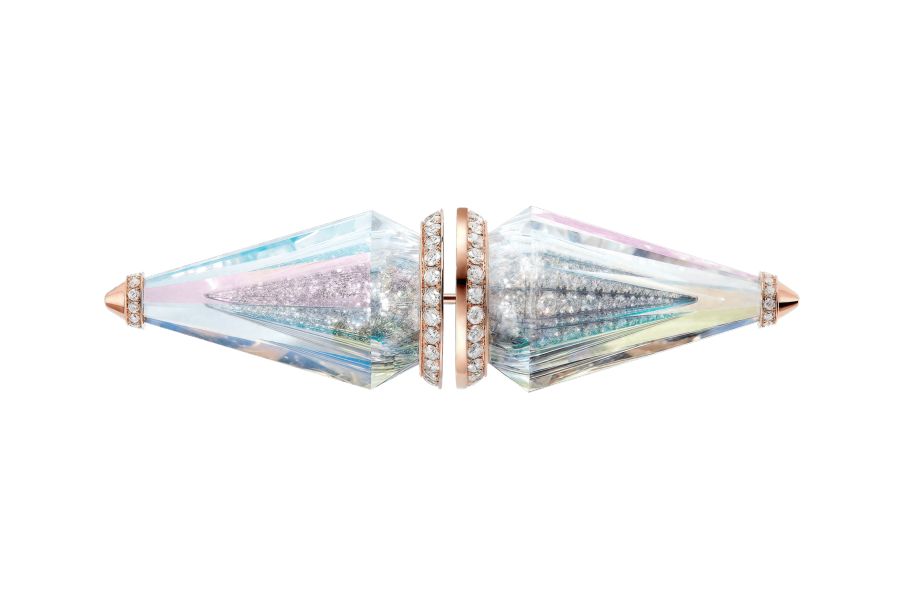
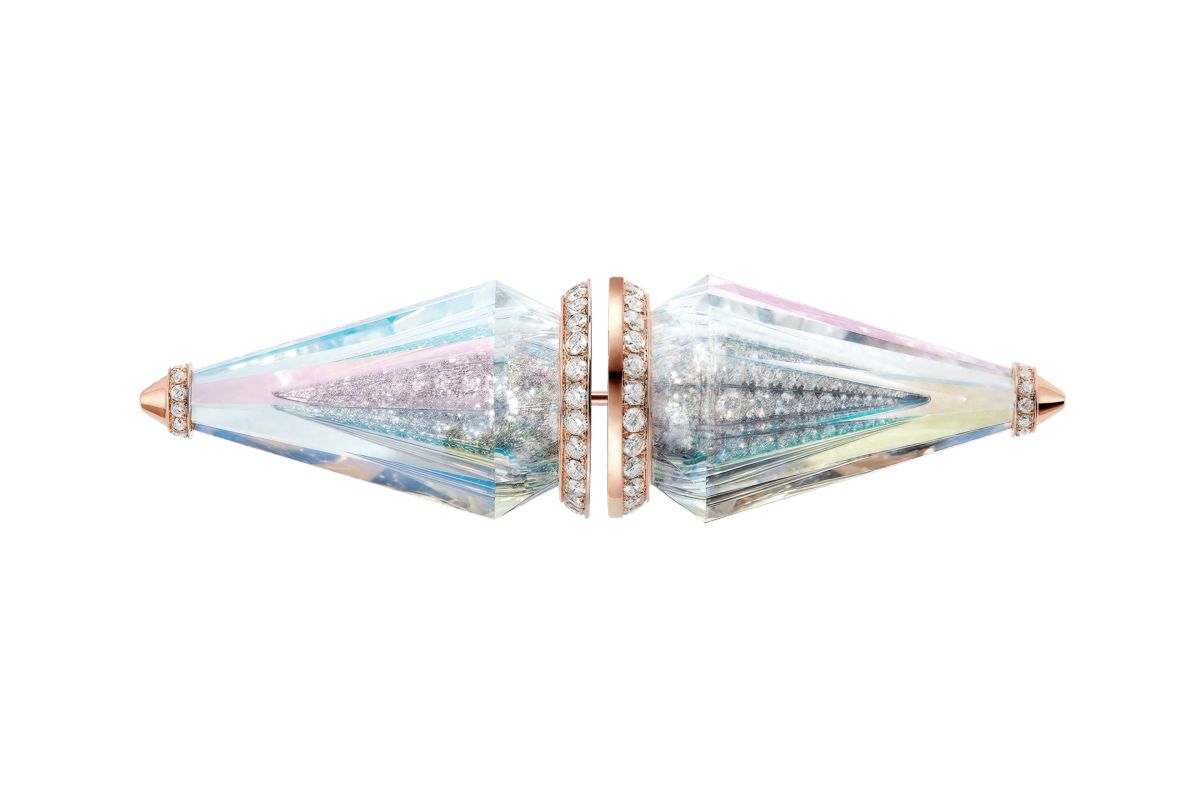
When Boucheron donated its contemporary “Faisceaux” brooch to London’s Victoria and Albert Museum, the gesture was not merely philanthropic. It was strategic, symbolic, and deeply aligned with how the 1% think about value.
For Ultra High Net Worth Individuals, those with more than 30 million dollars in investable assets, luxury jewelry represents more than adornment. It is heritage in motion. Today there are more than 392,000 UHNWIs worldwide, collectively controlling over 42 trillion dollars in wealth. Increasingly, this elite group views museum caliber jewelry as a long term cultural asset class rather than a short term acquisition.
Boucheron’s “Faisceaux” brooch, originally introduced in the 2021 Carte Blanche Holographique collection, embodies this shift. Designed under Creative Director Claire Choisne, the piece merges rock crystal, holographic coating, titanium and silver oxides, and traditional diamond setting techniques. The result is a jewel that manipulates light itself, producing prismatic reflections that evolve with every movement.
In an era where the global luxury jewelry market is projected to surpass 400 billion dollars by 2028, growing at approximately 6 to 7 percent annually according to industry reports you have reviewed, innovation has become as valuable as rarity. Collectors at the highest level are no longer drawn solely to historic provenance. They are drawn to conceptual originality and technical audacity.
This is precisely what elevates the “Faisceaux” brooch from a high jewelry creation to a future heirloom.
The Museum Effect and Long Term Value
When a piece enters the permanent collection of the Victoria and Albert Museum, it crosses into institutional recognition. The V&A houses more than 3,000 jewels spanning centuries of European design. For a contemporary luxury jewelry creation to be included signals something critical to the 1%: validation of artistic relevance.
Museum acquisition has historically influenced secondary market performance. We have seen this in auction houses, where historically significant pieces command exponential premiums. Consider that rare Fabergé works have achieved prices above 30 million dollars, while colored diamonds regularly set auction benchmarks. The convergence of institutional prestige and private ownership continues to strengthen the perception of jewelry as a cultural investment.
For UHNW collectors who operate on a generational timeline, museum recognition reinforces the narrative value of an object. It transforms acquisition into stewardship.
Innovation as Tomorrow’s Heritage
Claire Choisne has often stated that today’s innovation becomes tomorrow’s heritage. That philosophy resonates strongly within the luxury jewelry industry, where houses increasingly collaborate with material science companies and technology experts to redefine preciousness.
The “Faisceaux” brooch was developed in partnership with Saint Gobain, incorporating advanced surface treatments typically used in architectural applications. This blending of industrial innovation with haute joaillerie craftsmanship reflects a broader industry movement. Across global markets including the United States, Europe, Asia, and the Middle East, consumers at the highest spending tiers are demanding technical storytelling alongside aesthetic excellence.
In markets such as the UAE and Saudi Arabia, where jewelry spending per capita remains among the highest globally, the appetite for statement luxury jewelry continues to accelerate. In the United States, strong wealth creation through equity markets has sustained high end jewelry demand despite macroeconomic volatility. In Asia, evolving consumer sophistication is pushing brands toward more understated yet technically complex creations.
The message is clear. The future of luxury jewelry lies at the intersection of art, science, and emotional resonance.
Why This Matters to the 1%
For the 1%, ownership is rarely about possession. It is about legacy construction. A jewel that enters a museum collection becomes part of cultural memory. It signals that craftsmanship, innovation, and artistic courage endure beyond seasonal trends.
Boucheron’s donation to the V&A is not simply a brand milestone. It is a reminder that the highest form of luxury jewelry is not transactional. It is transformational.
In a world where tangible assets are increasingly prized for stability, beauty, and heritage, museum worthy jewelry stands apart. It is wearable art. It is intellectual property. It is generational capital.
And for those who understand the long game, it is the ultimate expression of permanence.
Share Now
LATEST

POPULAR