

Bernard Arnault Strengthens Control of LVMH as Luxury Fashion Brands Enter a New Era of Capital Confidence
In the world of Luxury Fashion Brands, ownership is influence and influence defines legacy.
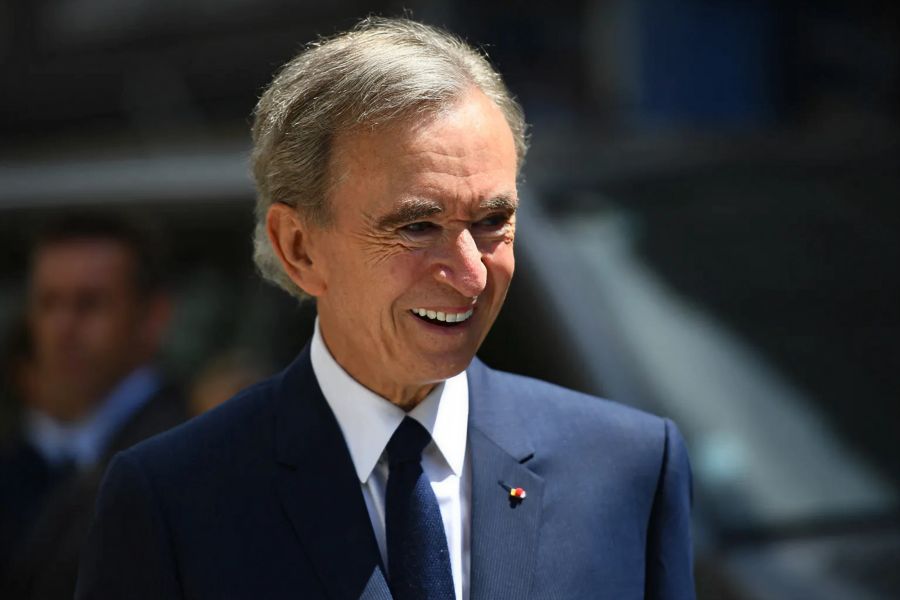
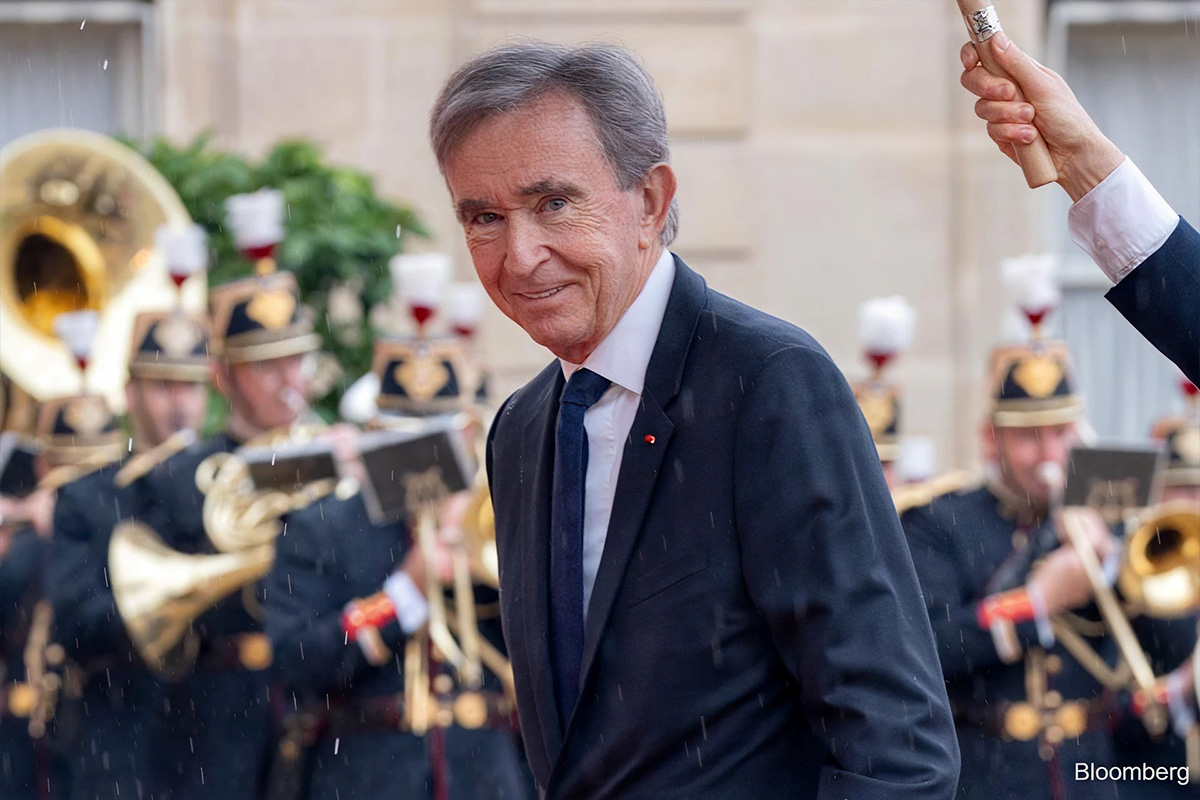
Bernard Arnault and the Arnault family have increased their control of LVMH to more than 50 percent of capital and 65.94 percent of voting rights, reinforcing their long term vision for the world’s largest luxury group. The move reflects conviction, continuity, and belief in the structural power of global luxury.
For the 1%, this is more than a shareholder update. It is a statement of generational strategy.
Capital Concentration and the Architecture of Control
LVMH reported revenue of 80.8 billion euros for 2025. In the second half of the year, organic revenue returned to growth, reflecting renewed momentum across business groups. The group continues to operate across fashion and leather goods, watches and jewellery, perfumes and cosmetics, wines and spirits, and selective retail.
Luxury Fashion Brands within the LVMH portfolio remain central pillars of cultural influence. Houses such as Louis Vuitton, Dior, Fendi, Celine, and Loewe shape the global narrative of craftsmanship, desirability, and aspiration.
When the founding family increases its ownership, it signals confidence in long term value creation.
Ultra High Net Worth Individuals understand this principle deeply. Wealth intelligence reports show that global UHNWI populations continue to expand, supported by entrepreneurial liquidity events, family office growth, and sovereign capital formation. Over the next five years, more than 300 million new luxury consumers are expected to enter the broader premium ecosystem, while the number of individuals holding more than 30 million dollars in assets continues to rise steadily across North America, the Middle East, and Asia.
Luxury Fashion Brands positioned at the very top of the pyramid remain strategically aligned with this structural wealth expansion.
Leadership Rooted in Vision
Bernard Arnault emphasized that the Maisons’ ability to inspire dreams, supported by disciplined cost management and strong environmental and social commitments, remains a defining strength. This philosophy reflects a broader truth within Luxury Fashion Brands. Dream creation is capital creation.
For the 1%, luxury is not transactional. It is cultural capital expressed through objects, experiences, and heritage.
Ownership concentration reinforces stability. Stability reinforces creative freedom. Creative freedom strengthens brand equity. This cycle is foundational to long term leadership in the global luxury sector.
The Wealth Effect and Luxury Fashion Brands
The global luxury fashion market is projected to reach 341 billion dollars by 2034. Growth at this level reflects enduring demand for craftsmanship, exclusivity, and narrative depth.
Reports from Bain and Altagamma indicate that more than 300 million new consumers will join the luxury market within five years, supported by generational wealth transfer and rising high net worth populations. In parallel, a 20 percent increase in high net worth individuals is anticipated globally. This expanding wealth base directly influences Luxury Fashion Brands, particularly those anchored in heritage and scarcity.
Ultra High Net Worth Individuals continue to allocate capital toward tangible expressions of identity. Fine art, trophy real estate, private aviation, and high fashion form part of a broader portfolio of lifestyle assets. Within this framework, leading Luxury Fashion Brands function as both cultural statements and stores of value.
Governance as Strategic Luxury
Family control within a publicly listed luxury conglomerate represents a powerful hybrid model. It combines long term stewardship with global scale.
For the 1%, governance structure carries meaning. A controlling family stake reflects generational planning and continuity of philosophy. It allows the group to pursue brand elevation, craftsmanship investment, and creative experimentation with clarity of direction.
LVMH continues to invest in ateliers, innovation, retail architecture, and regional expansion across key wealth corridors including the United States, Europe, the Gulf region, and Asia. These regions remain central to the global distribution of Ultra High Net Worth Individuals.
Luxury Fashion Brands within the group operate inside this global network of influence.
The 1% and the Future of Luxury Fashion Brands
As wealth concentration deepens and family offices expand their global reach, the relationship between capital and culture becomes increasingly intertwined.
Luxury Fashion Brands that operate with strong governance, disciplined expansion, and visionary leadership align naturally with the expectations of Ultra High Net Worth Individuals. The 1% seek permanence, excellence, and creative mastery.
Bernard Arnault’s increased stake in LVMH represents conviction in the enduring power of dream driven enterprises. In the rarefied ecosystem of global luxury, ownership is more than equity. It is authorship of the future.
For the 1%, the story of Luxury Fashion Brands is not about short term cycles. It is about legacy, influence, and the art of shaping desire across generations.
Share Now
LATEST
POPULAR