

TSA Disruption Accelerates Demand for the Luxury Private Jet Among the 1%
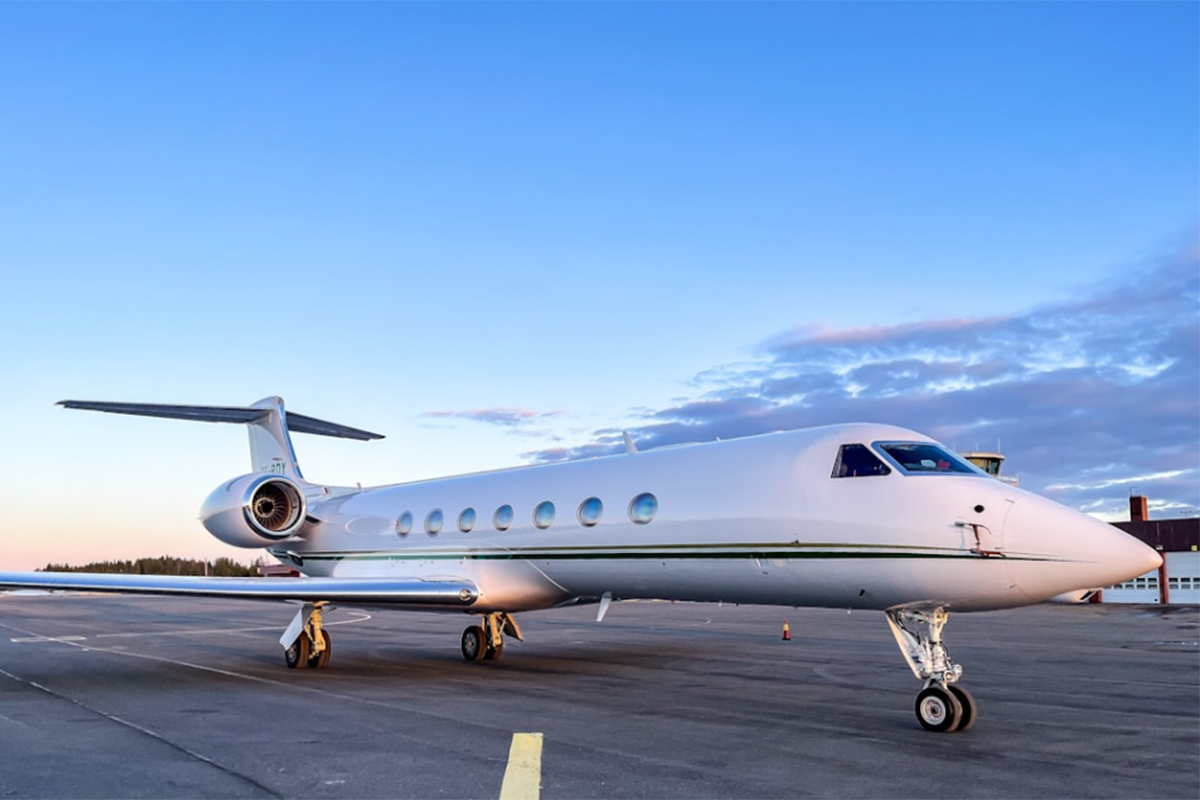
Recent developments across U.S. airports have reinforced a familiar reality for the world’s most discerning travelers. When infrastructure slows, the 1% moves differently. The surge in private aviation demand following TSA disruptions reflects a structural shift in how mobility is approached at the highest level.
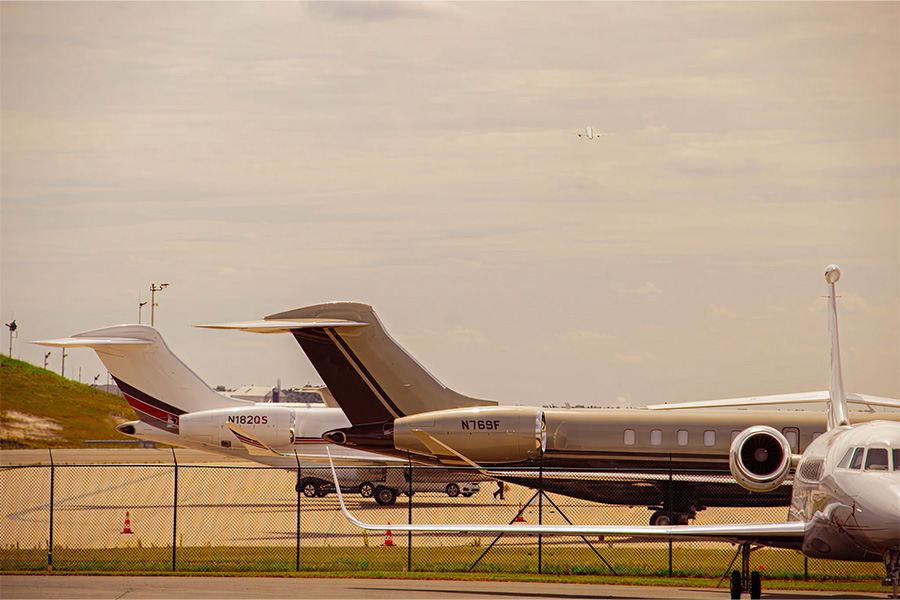
The luxury private jet is not simply a preference. It is a solution.
A Surge in Private Aviation Demand
Since the beginning of the recent government shutdown, private jet operators have recorded a meaningful increase in activity. Charter platforms report booking growth approaching 40 percent, with a notable rise in first time users entering the private aviation ecosystem.
Flight activity data highlights the trend across key U.S. hubs. Cities such as Baltimore and New Orleans recorded double digit increases in private jet departures, while major metropolitan areas including New York, Atlanta, and Houston continue to see consistent growth in demand.
Short notice bookings have also increased significantly, reflecting a shift toward real time decision making and immediate access to aircraft.
This pattern aligns with broader industry momentum. Global private jet flights surpassed 3.8 million in 2025, confirming sustained expansion in the sector.
The Expansion of the 1% and Mobility Expectations
The rise in private aviation demand is directly linked to the growth of Ultra High Net Worth Individuals. The global population of individuals with more than thirty million dollars in assets continues to expand, supported by entrepreneurship, private capital, and global business activity.
In the United States alone, more than 1,000 new millionaires have been created daily in recent years. This expansion is shaping a new standard for mobility.
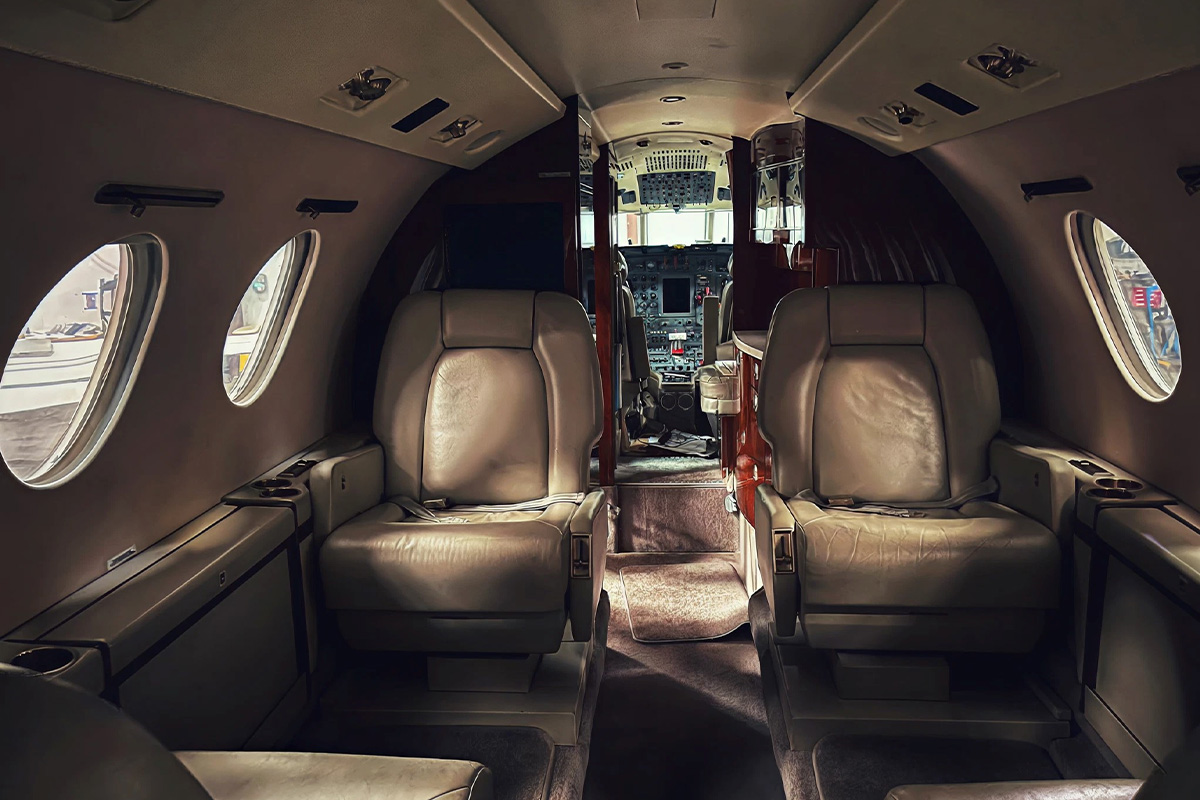
For the 1%, travel operates as a strategic function. Time, privacy, and control define the experience. The luxury private jet aligns with these priorities by enabling direct routing, flexible scheduling, and seamless access to thousands of airports.
Pricing Reflects Value and Access
Private aviation pricing continues to reflect aircraft category, route, and demand. Entry level charter options begin around seven thousand dollars for short regional flights, while longer journeys between major cities can reach thirty thousand dollars and beyond depending on aircraft size and availability.
For Ultra High Net Worth Individuals, pricing is evaluated through the lens of time efficiency and operational continuity. The ability to move without delay supports business activity, investment decisions, and global engagement.
The luxury private jet becomes an extension of strategic infrastructure.
Digital Access and Real Time Booking
Technology is also playing a defining role in this evolution. Platforms that enable aircraft booking within seconds are reshaping how private aviation is accessed. Travelers can now compare aircraft, confirm availability, and secure flights through digital interfaces designed for speed and clarity.
This shift aligns with the expectations of a new generation of wealthy individuals who operate in highly connected, real time environments.
The experience of booking a luxury private jet is becoming as seamless as the journey itself.
A Structural Shift in Travel Behavior
Industry forecasts continue to support long term growth. Honeywell projects more than 8,500 new business jet deliveries over the next decade, representing over 280 billion dollars in aircraft value. Fractional ownership, charter demand, and aircraft utilization remain strong across key global markets.
The current increase in bookings highlights a deeper trend. Private aviation is becoming a core component of how the 1% navigates the world.
The luxury private jet delivers certainty, flexibility, and control. It enables uninterrupted movement across regions, industries, and opportunities.
The Strategic Reality for the 1%
For Ultra High Net Worth Individuals, mobility defines access. Access defines opportunity.
Moments of disruption across commercial aviation reinforce the value of independent travel infrastructure. The luxury private jet offers a direct path to continuity, allowing the 1% to operate with precision regardless of external conditions.
In a world where time is the most valuable asset, control over movement remains one of the most powerful advantages.
Share Now
LATEST

POPULAR