

What Is Luxury Branding? The Guide to Building a High-End Brand Identity
Hermès handbags appreciate faster than most stock portfolios. Rolex watches carry waitlists measured in years, not weeks. Chanel raises prices annually, and demand only grows stronger. None of this is accidental. These brands have mastered the art of luxury branding: a disciplined system of meaning that commands loyalty, pricing power, and cultural influence well beyond what conventional marketing can deliver.
So what is luxury branding, exactly? At its core, it is the strategic process of building a strong brand identity rooted in exclusivity, heritage, emotional resonance, and exceptional craftsmanship. Where premium branding competes on superior quality at accessible scale, luxury branding takes a fundamentally different approach. It deliberately restricts availability. It cultivates mystique. It transforms products into symbols of status, aspiration, and belonging. A luxury brand is not defined by a high price tag alone. It is a philosophy that governs every touchpoint of the brand experience.
This guide is a deep dive into the anatomy of luxury branding. We will explore the core characteristics that separate true luxury from the merely expensive, the proven branding strategies behind the world’s most prestigious houses, and real-world examples spanning fashion, automotive, hospitality, and real estate. We will also walk through a step-by-step framework for building a luxury brand in 2026. Whether you are a brand founder, CMO, or branding professional, consider this your definitive editorial resource, brought to you by The One Percent.
What Makes a Brand Luxury? The 7 Key Characteristics
Every luxury brand shares a common DNA. There is a set of non-negotiable traits that distinguish it from premium competitors and mass-market players alike. Understanding these characteristics is the first step toward building, or evaluating, a luxury brand.
1. Exceptional Craftsmanship and Quality Materials
At the foundation of every luxury brand lies an uncompromising commitment to quality. Hermès artisans spend 18 to 24 hours hand-stitching a single Birkin bag using saddle-stitching techniques unchanged since the 1800s. Rolls-Royce interiors feature hand-stitched leather, real wood veneers, and bespoke detailing that take weeks to complete. Luxury products are not manufactured on assembly lines. They are crafted by master artisans using the finest materials available. This obsession with quality is what separates a luxury product from a merely expensive one.
2. Heritage and Storytelling
A rich history creates authenticity that cannot be fabricated overnight. Louis Vuitton traces its origins to 1854, when the founder revolutionized trunk-making for Parisian aristocracy. Cartier earned the title “Jeweler of Kings” through royal commissions spanning decades. Heritage does not simply add prestige. It provides the narrative backbone of the brand story, connecting today’s consumers to a lineage of excellence.
The evolution of luxury brands over the centuries reveals how storytelling has always been at the heart of prestige. For a broader perspective on how concepts of luxury have shifted through the ages, explore the history of luxury itself.
3. Exclusivity and Scarcity
Luxury brands deliberately limit availability to maintain desire. The Hermès Birkin bag is famously impossible to purchase on demand. Waitlists stretch for years, and clients must build a purchase history before being “offered” the opportunity. Ferrari produces fewer cars than demand warrants, ensuring every model retains its allure. Limited editions, invitation-only events, and controlled distribution are the tactical levers of this sense of exclusivity. Even in the world of supercars, scarcity is the engine of desirability.
4. Emotional Connection and Aspiration
Luxury consumers do not buy products. They buy identity. Chanel sells empowerment and feminine independence rooted in Coco Chanel’s revolutionary spirit. Rolex sells achievement and mastery. The emotional connection between consumer and brand is the most powerful engine of loyalty in the luxury market. It transforms transactions into personal milestones and turns customers into lifelong ambassadors.
5. Strong Brand Identity and Visual Codes
A luxury brand’s visual identity is immediately recognizable. Tiffany & Co.’s robin’s-egg blue, Burberry’s check pattern, Louis Vuitton’s monogram canvas: these visual codes communicate belonging to an exclusive world before a single word is spoken. Iconic logos, signature color palettes, and distinctive typography form the brand image that signals luxury at a glance. The most enduring luxury fashion brands have understood this principle for generations.
6. Premium Pricing as a Signal
In luxury, high price is not a barrier. It is a feature. The Veblen effect describes the counterintuitive phenomenon where higher prices actually increase desirability. When Chanel raises the price of its Classic Flap bag (now exceeding $10,000), demand does not decrease. It intensifies. Premium pricing communicates value, status, and the implicit promise that this product is not for everyone. In fact, recent shifts in global trade policy have tested this pricing power, and the strongest luxury houses have emerged more resilient than ever.
7. Impeccable Customer Experience
White-glove service is non-negotiable. Four Seasons empowers every employee to spend up to $2,000 resolving a guest issue without managerial approval. Aman Resorts assigns a personal host to each guest for the duration of their stay. The customer experience in luxury is not a department. It is the brand itself, expressed through personalization, concierge-level attention, and flawless execution at every touchpoint.
Luxury Branding vs. Premium Branding: What’s the Real Difference?
The distinction between luxury and premium is one of the most misunderstood concepts in branding. Both occupy the upper end of the market, but their philosophies, strategies, and goals diverge sharply.
Premium branding delivers superior quality at scale. Brands like Tesla, Dyson, and Apple (at certain tiers) compete on innovation, performance, and accessibility. They want as many qualified buyers as possible.
Luxury positioning takes the opposite approach. It deliberately restricts availability, sets price points that transcend cost-of-goods logic, and cultivates brand mystique over mass appeal. A luxury brand does not want everyone. It wants to be desired by many and possessed by few.
Criteria | Luxury Brand | Premium Brand |
Target Audience | Ultra-high-net-worth individuals, connoisseurs, status-driven consumers | Affluent professionals, quality-conscious consumers |
Pricing Logic | Price signals exclusivity; Veblen effect applies | Price reflects quality and innovation; competitive benchmarking |
Distribution | Owned flagships, select partners, invitation-only channels | Broad retail, online, authorized dealers |
Marketing Approach | Storytelling, heritage, cultural partnerships, scarcity | Innovation messaging, performance, aspirational lifestyle |
Brand Goal | Cultivate desire, maintain mystique, signal belonging | Maximize market share within the upper segment |
Consider the automotive world. Lexus is premium: reliable, luxurious, widely available. Rolls-Royce is luxury: bespoke, scarce, and priced beyond rational comparison. In fashion, Ralph Lauren occupies the premium-to-mass spectrum, while Hermès operates in a rarefied tier where demand permanently outstrips supply. The difference is not merely one of degree. It is one of kind.
The Core Strategies Behind Successful Luxury Brands
Building a luxury brand is not about spending more on advertising. It is about thinking differently about every aspect of the business. The following luxury branding strategies represent the playbook behind the world’s most enduring houses.
Create a Sense of Scarcity and Desire
Limited production runs, capsule collections, and members-only access create urgency that mass marketing simply cannot replicate. When Gucci drops a limited collaboration, items sell out in minutes. Not because of discounting, but because of deliberately constrained supply. Luxury brands understand a fundamental truth: desire is fueled by what you cannot easily have.
Invest in Heritage and Brand Storytelling
Origin myths, founder legacies, and archival references transform a commercial enterprise into a cultural institution. The brand story is not just a marketing asset. It is a cultural artifact. Dior’s narrative of reinventing feminine elegance after World War II gives every collection a sense of historical purpose that resonates far beyond the runway.
Control Every Touchpoint
Distribution discipline is what separates luxury from premium. No mass retailers. No discount outlets. Flagship stores become immersive experiences. Louis Vuitton’s Maison on the Champs-Élysées is part museum, part boutique, and entirely on-brand. The digital presence must mirror this level of control: curated content, elevated design, and zero reliance on marketplace platforms.
Never Discount
The no-sale rule is a cornerstone of luxury brand strategy. Tiffany & Co. and Chanel do not run promotions, seasonal sales, or clearance events. Controlled pricing protects perceived value, maintains brand equity, and fuels a thriving resale market where pre-owned pieces often appreciate over time.
Leverage Celebrity and Cultural Partnerships
Strategic endorsements, not influencer saturation, define luxury marketing at its best. Louis Vuitton’s collaboration with artist Takashi Murakami, Dior’s partnerships with contemporary art institutions, and Cartier’s sponsorship of prestige events create cultural relevance without diluting exclusivity. The most successful partnerships feel like a natural conversation between two creative worlds.
Design Extraordinary Customer Experiences
Personal shoppers, bespoke services, and experiential events extend the brand relationship well beyond the transaction. Bentley invites select clients to test-drive new models on private estates. Patek Philippe offers factory tours in Geneva to collectors. These experiences deepen the emotional connection and transform customers into lifelong advocates. In the world of luxury timepieces, for example, the relationship between brand and collector is deeply personal, often spanning generations.
How to Build a Luxury Brand from Scratch in 2026
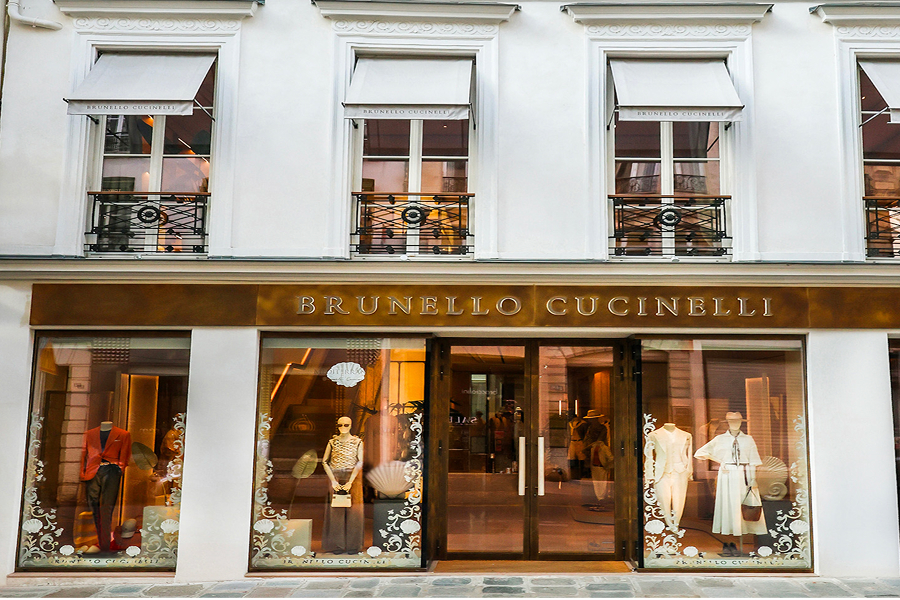
Heritage does not require centuries. Modern luxury brands like The Row and Brunello Cucinelli have built formidable reputations in decades, not generations. What they share is strategic clarity and an unwavering commitment to the principles of luxury branding. Here is a step-by-step framework for building a luxury brand today.
Step 1: Define Your Brand’s Purpose and Values
Every luxury brand begins with a conviction that transcends the product. What does the brand stand for? What belief system does it embody? Authenticity starts with a purpose that resonates emotionally and culturally. Without this foundation, no amount of premium materials or elegant packaging will create genuine luxury positioning.
Step 2: Craft a Compelling Brand Story
Your narrative does not need to begin in the 19th century. The Row was founded on a philosophy of quiet, architectural elegance. Brunello Cucinelli built a brand around humanistic capitalism and respect for craft. The story must be genuine, distinctive, and deeply connected to the brand’s values. What matters is not the length of your history, but the depth of your conviction.
Step 3: Develop a Distinctive Visual Identity
Logo, typography, color palette, packaging, retail environment: every visual element must communicate sophistication and intentionality. A strong brand identity is not merely aesthetic. It is the visual language through which the brand speaks to its audience. Every detail, from a business card to a storefront, should feel unmistakably yours.
Step 4: Position with Premium Pricing from Day One
Launching at a low price and raising later destroys credibility. Luxury brands justify premium pricing through materials, craftsmanship, and narrative. Never through discounts or introductory offers. The price must feel earned from the very first collection.
Step 5: Build Controlled Distribution
Start exclusive: direct-to-consumer, select retail partners, curated online presence. Avoid marketplaces and mass retailers that dilute luxury positioning. Every point of sale must reinforce the brand’s exclusivity. If a customer can find your product anywhere, it stops feeling special.
Step 6: Invest in Digital Storytelling
Modern luxury consumers discover brands online. Your content strategy, social media presence, and digital marketing must mirror the in-store experience: elevated, intentional, and never desperate for attention. Digital is not a compromise. It is a new canvas for brand expression, and the brands winning in 2026 treat it as such.
Step 7: Partner with a Specialized Luxury Branding Agency
The nuances of luxury positioning (visual codes, pricing architecture, distribution strategy, cultural alignment) require deep expertise that generalist agencies rarely possess. A specialized luxury branding agency brings sector-specific knowledge and the strategic rigor needed to compete at the highest level. Charley Signature is one such agency, with proven expertise in high-end brand development across fashion, hospitality, and real estate.
The Role of Exclusivity in Luxury Branding
Exclusivity is not a marketing tactic. It is the oxygen of luxury. The psychological principle is straightforward: scarcity increases perceived value. In economic terms, luxury goods are Veblen goods, products for which demand rises as price increases, defying conventional supply-and-demand logic.
The tactical toolkit includes limited editions, invitation-only launches, private client programs, and waitlists that function as status markers in themselves. The Hermès Birkin remains the definitive case study: a bag that costs thousands, requires years of relationship-building to purchase, and appreciates in value on the secondary market. The waitlist does not frustrate desire. It amplifies it.
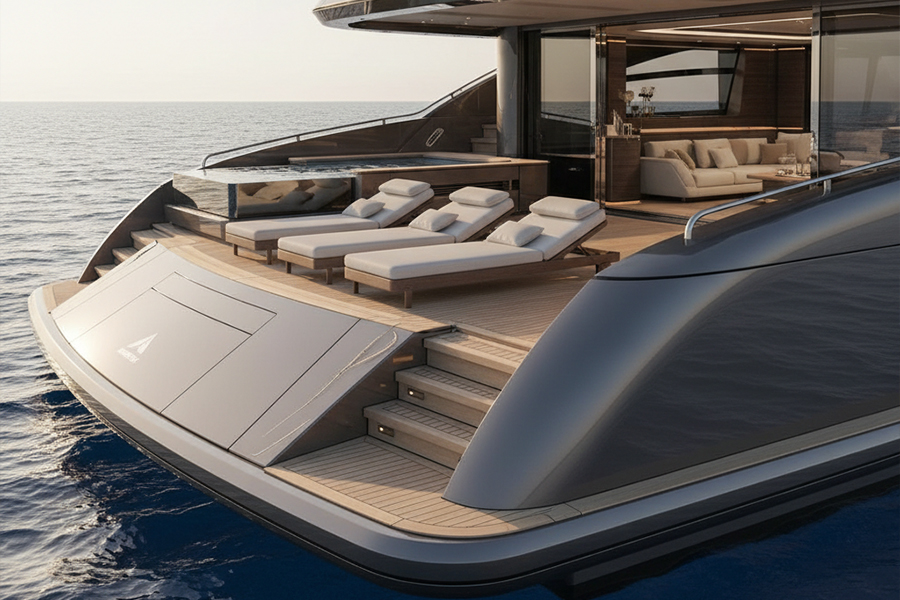
Luxury destinations deploy the same principle. Aman Resorts limits property sizes to fewer than 50 rooms. The Red Sea Project in Saudi Arabia is creating ultra-exclusive island experiences with strictly capped visitor numbers. These are not limitations. They are deliberate design choices that preserve the sense of privilege. The world of luxury travel and private yachting operates on the same logic: the fewer can access it, the more it is desired.
The danger of overexposure is equally instructive. Brands like Michael Kors and Coach experienced significant dilution of their luxury status when aggressive expansion and excessive accessibility eroded the sense of exclusivity that once defined them. It is a cautionary tale for any brand tempted to trade mystique for volume.
How Luxury Brands Create Emotional Connection with Consumers
Luxury is not functional. It is aspirational. Consumers buy identity, status, and belonging. The emotional connection between a luxury brand and its audience is not built through advertising. It is built through meaning.
Sensory branding plays a critical role. The signature scent of a Four Seasons lobby. The precise sound of a Mercedes-Benz door closing. The tactile weight of a Cartier jewelry box. Every sense reinforces the customer experience and deepens the emotional imprint. These are not random choices. They are carefully engineered moments of recognition.
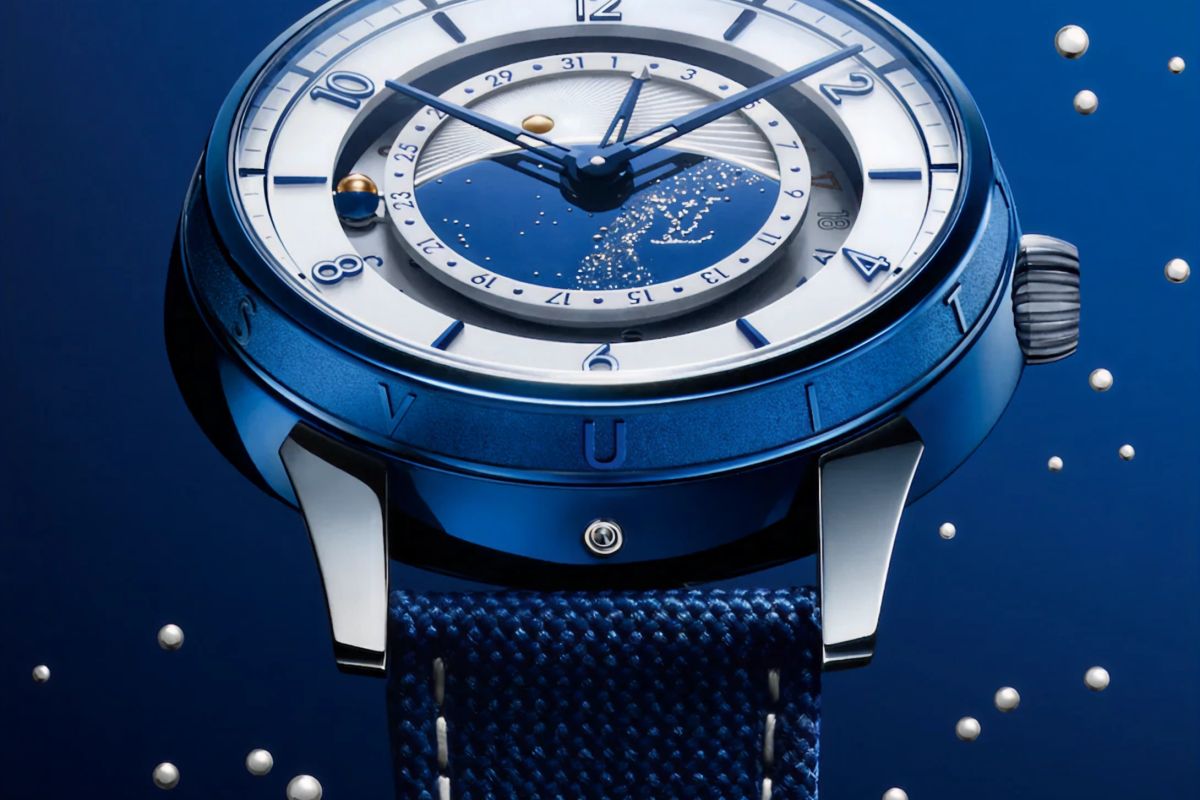
Brand storytelling serves as emotional architecture. Dior’s legacy of feminine empowerment. Patek Philippe’s iconic “You never actually own a Patek Philippe. You merely look after it for the next generation” campaign. These narratives give consumers a story to inhabit, not just a product to own. For a closer look at how heritage houses are pushing this even further, see how Louis Vuitton and De Bethune are redefining the luxury watch.
The rise of quiet luxury reflects a maturing luxury market. The shift from logo-driven status to understated sophistication has redefined what it means to signal wealth. Brands like The Row, Loro Piana, and Brunello Cucinelli appeal to consumers who express taste through subtlety rather than ostentation. This represents a new chapter in how the luxury market creates emotional resonance.
Luxury Branding in 2026: Trends Reshaping the Industry
The luxury industry is not static. The following trends are actively reshaping how brands build and sustain prestige in 2026.
Sustainability and Ethical Practices
Modern luxury consumers, particularly Millennials and Gen Z, demand transparency. According to Bain & Company’s most recent luxury market study, sustainability has become a decisive purchasing factor for over 60% of luxury buyers under 40. Brands integrating sustainable supply chains, ethical sourcing, and environmental responsibility are not compromising luxury. They are redefining it. Stella McCartney, Brunello Cucinelli, and the Kering Group are leading this transformation.
AI-Powered Personalization
Luxury brands are leveraging data and artificial intelligence to deliver hyper-personalized customer experiences at scale, without sacrificing exclusivity. From personalized product recommendations to AI-curated in-store experiences, technology is becoming the invisible infrastructure of modern luxury service. The goal is to make every client feel like the only client.
Experiential Over Material
The continued shift from product ownership to curated experiences defines the 2026 luxury landscape. Private travel, exclusive dining events, members-only cultural programming, and bespoke wellness retreats now command higher consumer spending than physical goods in several luxury segments. McKinsey’s 2025 luxury report projects experiential luxury growing at twice the rate of personal luxury goods through 2028.
Digital Luxury and the New Consumer
Gen Z and Millennial luxury consumers discover, evaluate, and purchase through digital channels. A sophisticated social media strategy, immersive digital storytelling, and seamless luxury e-commerce experiences are no longer optional. They are foundational. The brands winning in 2026 treat digital not as a distribution channel but as a brand expression platform.
Frequently Asked Questions About Luxury Branding
What is luxury branding?
Luxury branding is the strategic discipline of building a brand identity rooted in exclusivity, heritage, exceptional craftsmanship, and emotional resonance. It goes beyond high pricing to create a holistic system of meaning that commands loyalty, cultural influence, and enduring desirability.
What are the 5 key characteristics of a luxury brand?
The five defining characteristics are exceptional craftsmanship, exclusivity and scarcity, rich heritage and storytelling, deep emotional connection with consumers, and premium pricing that signals status rather than merely reflecting cost.
How is luxury branding different from premium branding?
Premium brands compete on superior quality at accessible scale (think Tesla or Dyson). Luxury brands deliberately restrict availability, cultivate mystique, and set prices that transcend cost-of-goods logic. The difference is philosophical: premium seeks broad market share, while luxury seeks desire.
Can a new brand become a luxury brand?
Absolutely. The Row and Brunello Cucinelli prove that heritage does not require centuries. With a clear purpose, distinctive visual identity, controlled distribution, premium pricing from launch, and a compelling brand story, a new brand can establish genuine luxury positioning.
Why do luxury brands never go on sale?
Discounting destroys the perception of exclusivity and erodes brand equity. When a product is available at a reduced price, it signals that its “true” value is lower than stated. Luxury brands protect their pricing architecture to maintain desire and support the secondary market.
What role does a luxury branding agency play?
A specialized luxury branding agency provides strategic brand development, visual identity design, positioning strategy, and multi-touchpoint consistency. The nuances of luxury (pricing architecture, distribution discipline, cultural alignment) require deep sector expertise. Charley Signature, for example, brings decades of high-end branding experience across fashion, hospitality, and real estate.
Share Now
LATEST
POPULAR