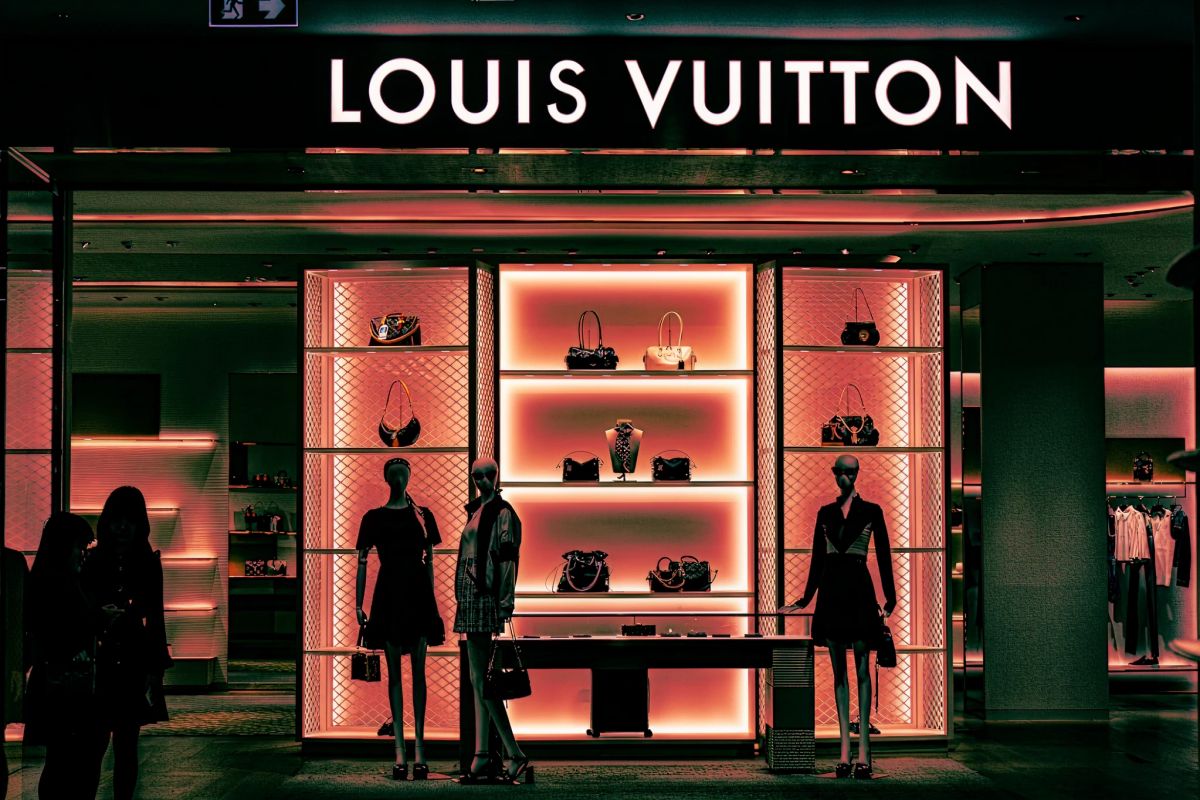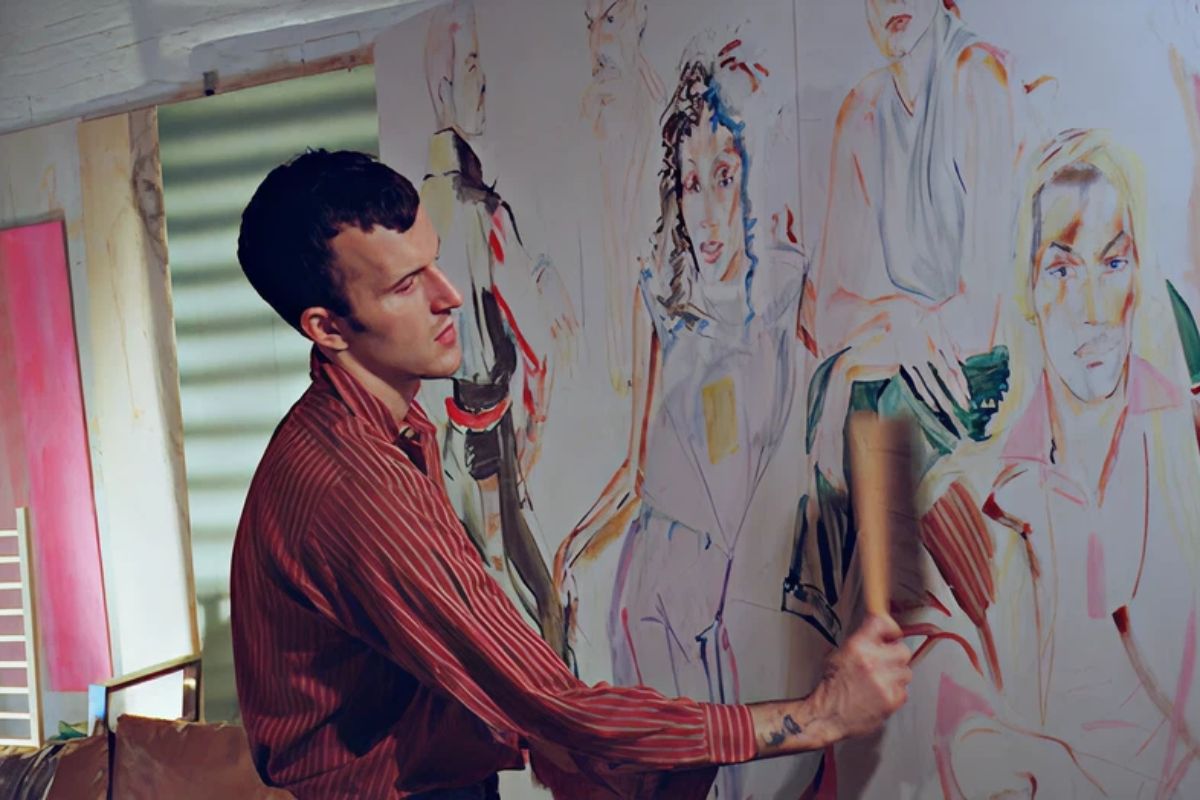


Kering’s Strategic Evolution Reflects the New Dynamics of Luxury Fashion Brands for the 1%
Luxury Fashion Brands continue to evolve within a global environment shaped by transformation, precision, and long term vision. Kering’s latest quarterly performance highlights a pivotal moment where strategic focus, creative direction, and portfolio refinement align with the expectations of the 1%.
For the first quarter of 2026, Kering generated revenues of 3.57 billion euros, reflecting a period of active transformation across its maisons. Within this phase, the group continues to reinforce its foundations while advancing a clear strategic roadmap designed to strengthen its position within the global luxury ecosystem.
A Portfolio Guided by Strategic Focus
Kering’s vision centers on enhancing the strength of each maison through refined product architecture, elevated client experience, and optimized distribution. This approach reflects a broader evolution within Luxury Fashion Brands, where value is driven by clarity, craftsmanship, and cultural resonance.
The group has introduced a dedicated platform designed to support the development of its houses while enhancing operational efficiency. Investments across beauty, jewelry, and real estate further reinforce the group’s long term structure and global presence.
For Ultra High Net Worth Individuals, such strategic alignment signals stability, vision, and commitment to excellence.
The Continued Influence of Iconic Houses
Within the portfolio, Gucci remains a central pillar of Kering’s identity. Under the creative leadership of Demna, the house is entering a new phase defined by refined collections, focused product categories, and renewed creative energy.
Collections are being introduced progressively, reflecting a deliberate approach to product evolution and brand positioning. This direction aligns with the expectations of the 1%, who value coherence, craftsmanship, and narrative depth within Luxury Fashion Brands.
At the same time, other maisons within the group continue to express strong creative momentum. Saint Laurent has demonstrated significant engagement across ready to wear and footwear, supported by iconic pieces such as the Mombasa handbag. Bottega Veneta continues to resonate within Asia Pacific through its distinctive design language, while Balenciaga and Brioni contribute to the diversity and cultural richness of the portfolio.
Jewelry as a Pillar of Growth
Kering’s jewelry houses represent a powerful expression of craftsmanship and heritage within the group. During the first quarter of 2026, the segment reached 317.4 million dollars in revenue, reflecting strong engagement from a global clientele.
Boucheron, Pomellato, DoDo, and Qeelin each contribute to a universe where fine jewelry embodies artistry, rarity, and cultural significance. For Ultra High Net Worth Individuals, jewelry represents both personal expression and enduring value, aligning with broader investment trends across tangible luxury assets.
Luxury Fashion Brands increasingly integrate jewelry as a central pillar of their identity, connecting fashion with heritage craftsmanship.
Eyewear and Lifestyle Expansion
Kering Eyewear achieved revenues of 577.1 million dollars during the quarter, reinforcing its position as a key component of the group’s lifestyle offering. Eyewear reflects the growing importance of accessories within Luxury Fashion Brands, where design and functionality intersect.
These categories allow maisons to engage clients across multiple dimensions of lifestyle, creating a cohesive universe that extends beyond fashion into everyday expression.
The Role of Ultra High Net Worth Individuals
The evolution of Kering aligns closely with global wealth trends. The population of Ultra High Net Worth Individuals continues to expand across key regions including North America, Europe, the Middle East, and Asia.
Industry reports indicate that more than three hundred million new consumers will enter the luxury market within the next five years, supported by a significant rise in high net worth individuals. Within this growth, the 1% remains the most influential segment, shaping demand for exclusivity, craftsmanship, and cultural relevance.
Luxury Fashion Brands that align with this audience focus on product excellence, refined distribution, and immersive experiences.
A Vision for the Future of Luxury Fashion Brands
Kering’s strategic roadmap reflects a clear commitment to long term value creation. The group continues to invest in creativity, innovation, and operational excellence, ensuring that each maison contributes to a unified vision of global luxury.
For the 1%, luxury is defined by access to exceptional products, meaningful experiences, and cultural narratives that resonate across generations.
Luxury Fashion Brands operate at the intersection of art, craftsmanship, and identity. They shape the way individuals express themselves within private circles of influence.
As Kering advances its strategic transformation, it reinforces the broader evolution of the luxury industry. Precision, creativity, and vision define the next chapter of global luxury.
Within this landscape, Luxury Fashion Brands continue to inspire, engage, and elevate the experience of the 1%.
Share Now
LATEST
POPULAR