

LVMH’s Marc Jacobs Transition Reflects the Evolving Structure of Luxury Fashion Brands
Luxury Fashion Brands continue to evolve through strategic realignment, creative focus, and refined market positioning.
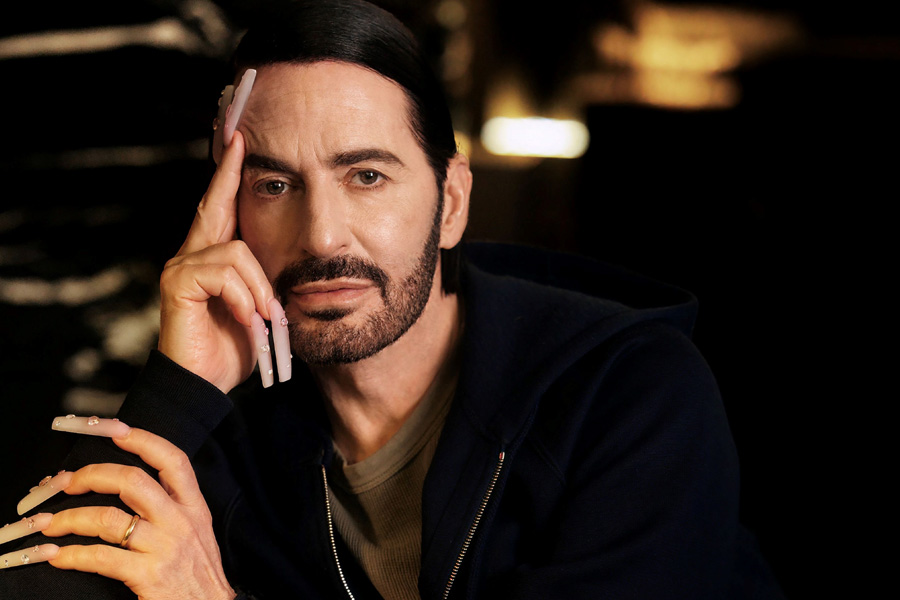
LVMH’s decision to transfer Marc Jacobs to WHP Global marks a new chapter for one of fashion’s most culturally influential names.
For the 1%, this transition reflects the dynamic nature of luxury, where heritage, creativity, and brand identity continue to shape the future of the global fashion ecosystem.
A Legacy Rooted in Cultural Influence
Marc Jacobs has occupied a distinctive position within Luxury Fashion Brands for decades. Since joining LVMH in 1997, the designer contributed to a transformative era in fashion that connected luxury with art, pop culture, and global visibility.
During his tenure at Louis Vuitton, Marc Jacobs introduced collaborations with internationally celebrated artists including Takashi Murakami, Stephen Sprouse, and Yayoi Kusama. These partnerships helped establish a new cultural language where fashion intersected with contemporary art and global creative expression.
For Ultra High Net Worth Individuals, such moments represented more than trends. They reflected participation in cultural movements that shaped the visual identity of an era.
The Expanding Influence of Brand Ecosystems
The acquisition of Marc Jacobs by WHP Global highlights the increasing importance of diversified brand ecosystems within the luxury and premium sectors. WHP Global continues to build a portfolio of internationally recognized names spanning fashion, lifestyle, and design.
Marc Jacobs will remain as creative director, ensuring continuity of artistic vision and preserving the house’s creative identity. This continuity reflects a broader principle within Luxury Fashion Brands, where creative leadership remains central to long term cultural relevance.
The global luxury fashion market is projected to approach 341 billion dollars within the next decade, driven by expanding wealth concentration and rising demand for differentiated brand experiences.
Within this environment, strategic positioning and creative clarity remain essential.
Luxury Fashion Brands and the Power of Reinvention
The history of Marc Jacobs reflects fashion’s ability to evolve across generations and market cycles. From runway innovation to accessible luxury categories, the brand has continually adapted its identity while maintaining a recognizable creative voice.
This adaptability resonates strongly with the 1%, a segment that values brands capable of balancing heritage with contemporary relevance.
Industry reports indicate that more than three hundred million new luxury consumers will enter the market within five years, while the number of Ultra High Net Worth Individuals continues to expand globally. These individuals shape the future of Luxury Fashion Brands through their interest in craftsmanship, cultural authenticity, and emotional connection.
Creative Directors as Cultural Architects
Marc Jacobs remains one of the defining creative figures of modern luxury fashion. His influence extends beyond product into visual storytelling, runway culture, and the relationship between fashion and celebrity.
For Ultra High Net Worth Individuals, creative directors function as cultural architects who shape the aesthetic codes of global luxury. Their vision influences not only fashion collections but also broader lifestyle trends across art, design, hospitality, and media.
Luxury Fashion Brands therefore rely on strong creative leadership to maintain relevance within a rapidly evolving cultural landscape.
The Role of Accessible Luxury in Global Fashion
Marc Jacobs also played a significant role in the development of accessible luxury through product categories that introduced younger consumers to designer fashion. Accessories, fragrance, and contemporary collections expanded the reach of the brand while reinforcing its identity.
This model continues to hold strategic importance within the luxury ecosystem. Emerging generations engage with Luxury Fashion Brands through products that combine design credibility with emotional accessibility.
As wealth expands globally and younger affluent consumers mature, brands that create strong cultural communities strengthen their long term influence.
A Global Luxury Landscape Defined by Transformation
The transfer of Marc Jacobs reflects a broader evolution within the fashion industry where maisons refine their portfolios and focus on long term strategic alignment.
Luxury Fashion Brands today operate within a world shaped by global mobility, digital influence, and experiential engagement. Ultra High Net Worth Individuals seek brands that offer identity, exclusivity, and cultural relevance across multiple dimensions of lifestyle.
From couture and fine jewelry to art collaborations and immersive retail experiences, luxury continues to expand beyond traditional categories into complete worlds of expression.
The Future of Luxury Fashion Brands
As global wealth concentration continues to rise, the influence of the 1% on fashion and culture will deepen further. Luxury Fashion Brands will continue to evolve through strategic partnerships, creative reinvention, and global expansion.
Marc Jacobs’ next chapter under WHP Global reflects this ongoing transformation. The brand’s cultural legacy, creative energy, and international recognition position it within the broader evolution of modern luxury.
For the 1%, fashion remains a language of identity, creativity, and access to extraordinary worlds.
Within this landscape, Luxury Fashion Brands continue to shape the future of culture through vision, artistry, and the enduring power of reinvention.
Share Now
LATEST
POPULAR