

Richemont's Jewelry Maisons Power the Next Chapter of Luxury Jewelry Growth
The world of luxury jewelry continues to demonstrate its enduring appeal among the world’s wealthiest collectors, investors, and connoisseurs.
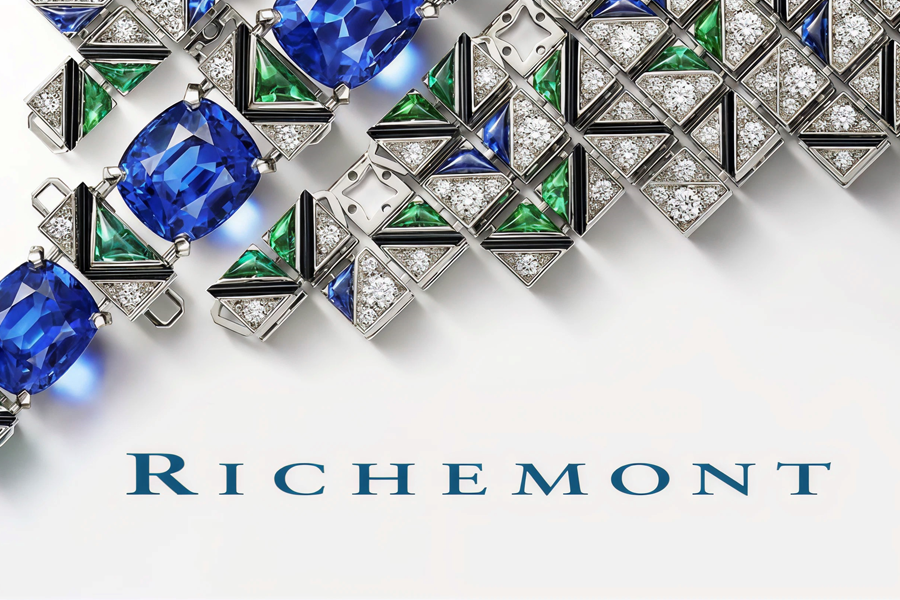
That momentum was once again reflected in Richemont’s latest annual results, where the group’s portfolio of prestigious jewelry maisons delivered exceptional performance and reinforced the sector’s position as one of the most dynamic categories within global luxury.
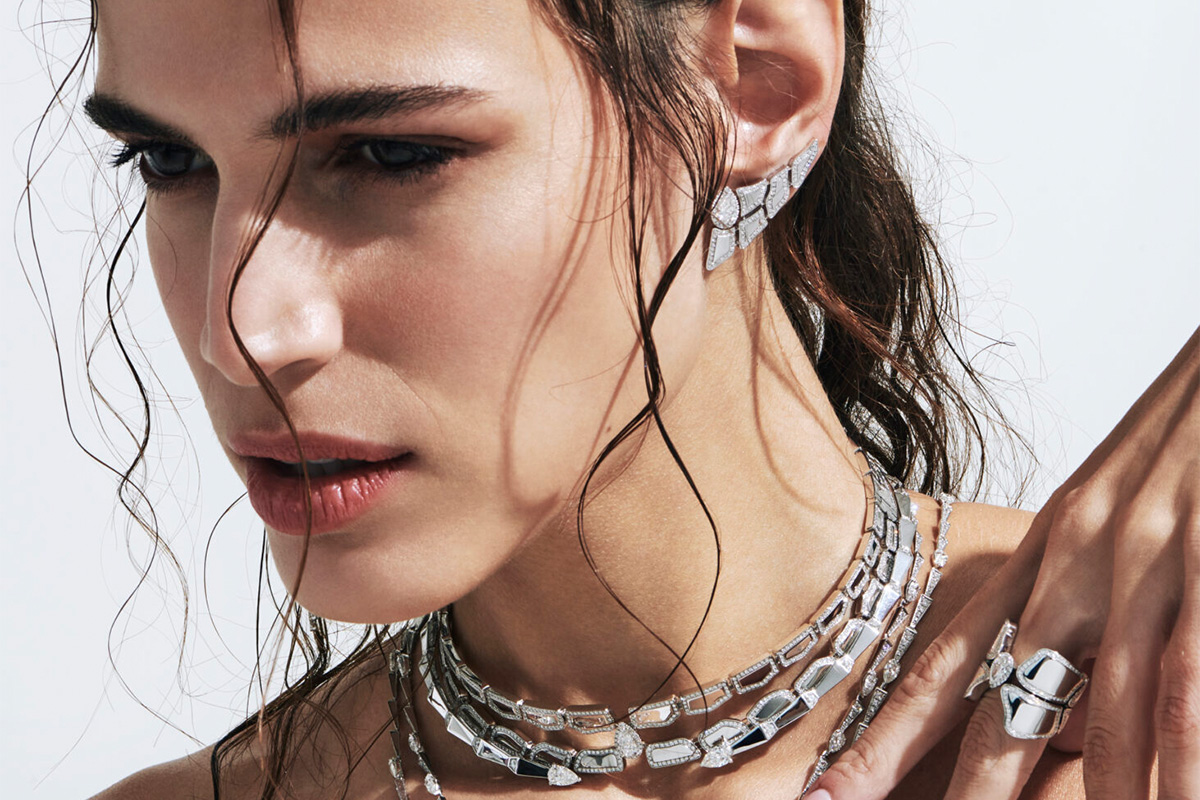
For the financial year ending March 31, 2026, Richemont reported sales of €22.4 billion, supported by strong demand across all major regions and distribution channels. At the heart of that success stood the group’s jewelry maisons, including Cartier, Van Cleef & Arpels, Buccellati, and Vhernier, which generated €16.5 billion in sales and achieved growth across every major market.
For the 1%, these results reflect more than corporate performance. They highlight the continuing role of luxury jewelry as a symbol of heritage, personal expression, and long term wealth preservation.
Luxury Jewelry Remains a Preferred Asset for Global Wealth
The strength of Richemont’s jewelry division aligns with broader trends shaping the wealth landscape. According to global wealth reports, there are now more than 426,000 Ultra High Net Worth Individuals worldwide, collectively controlling tens of trillions of dollars in private wealth.
As wealth creation accelerates across North America, the Middle East, and Asia, demand for exceptional jewelry continues to rise. Industry forecasts project the global luxury jewelry market will exceed $90 billion within the coming years, supported by increasing interest in rare gemstones, high jewelry collections, heritage maisons, and bespoke craftsmanship.
For affluent families, luxury jewelry occupies a unique position among collectible assets. Unlike many investments, exceptional jewelry combines emotional significance, artistic mastery, portability, and generational value.
Cartier and Van Cleef & Arpels Continue to Shape Demand
Richemont’s latest results reveal the continued desirability of its iconic jewelry brands. Cartier and Van Cleef & Arpels remain among the most influential names in luxury jewelry, attracting collectors through a combination of heritage, innovation, and timeless design.
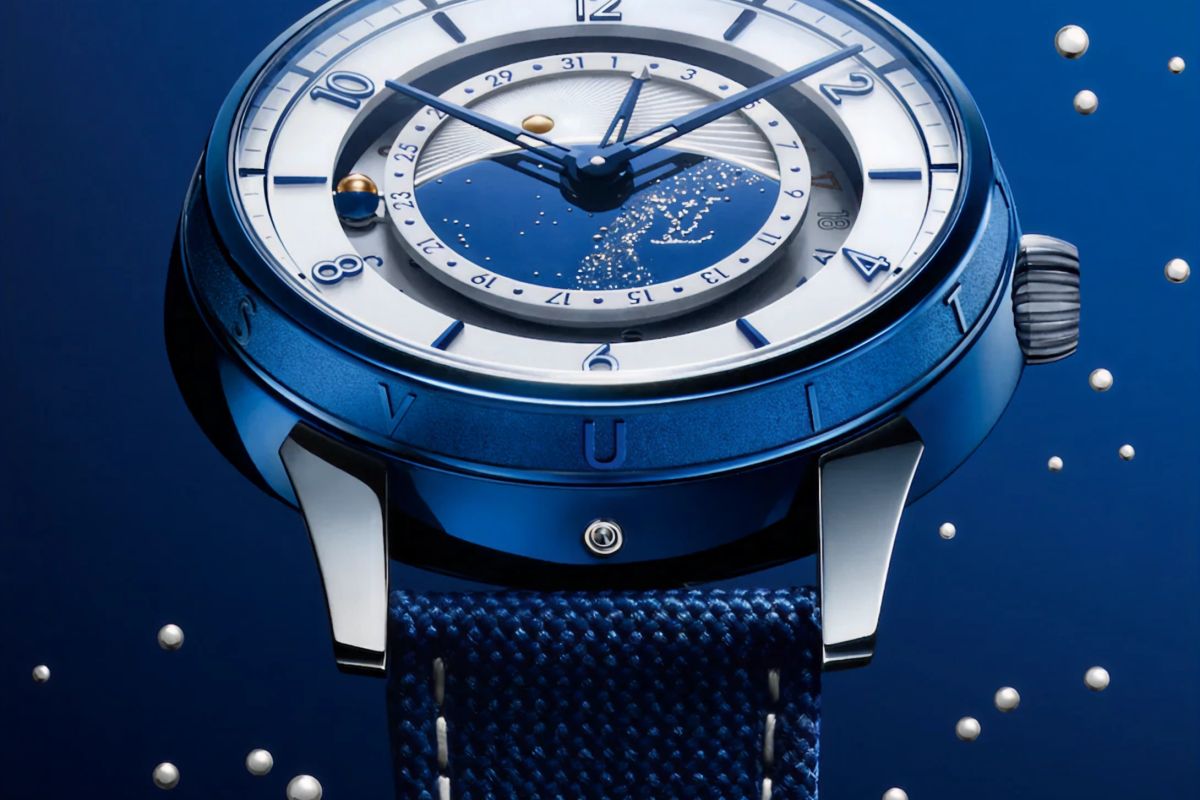
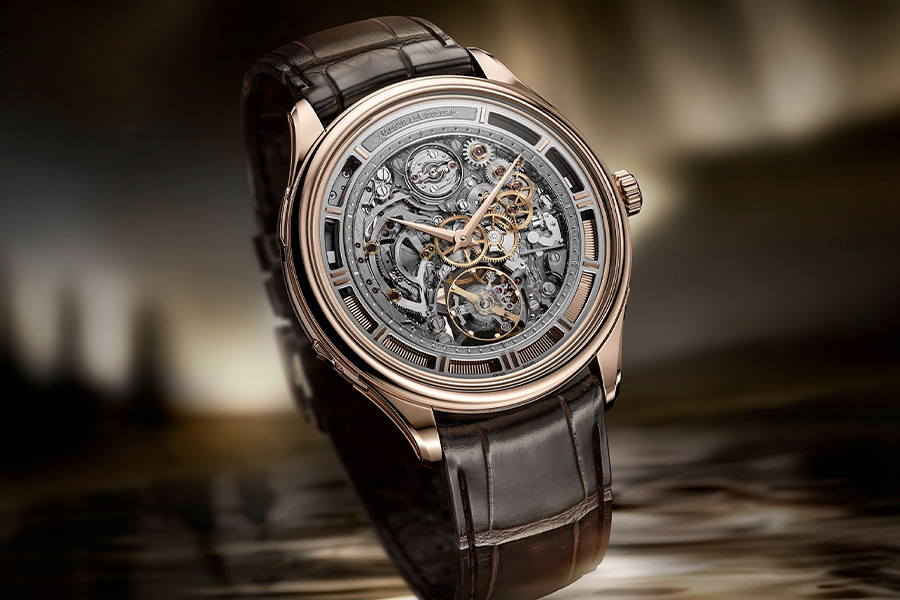
Throughout the year, the maisons expanded their retail presence while introducing new creations across high jewelry, fine jewelry, and watchmaking categories. Exclusive presentations and private client events further strengthened relationships with collectors and top tier clientele around the world.
For many members of the 1%, ownership of pieces from maisons such as Cartier, Van Cleef & Arpels, Buccellati, and Vhernier represents participation in a cultural legacy that extends beyond fashion and into the realm of art.
The Americas Lead a New Era of Growth
One of the most notable developments in Richemont’s annual results was the continued strength of the Americas. The region delivered double digit growth at constant exchange rates, reinforcing its position as a major engine for luxury consumption.
This trend mirrors the growing concentration of wealth in the United States, where financial markets, entrepreneurship, and private investment continue to create new generations of affluent consumers.
As a result, luxury jewelry has become increasingly important as both a personal statement and a tangible asset. High net worth buyers are seeking pieces that combine exceptional craftsmanship with lasting relevance, creating demand for collections that blend heritage with contemporary design.
Craftsmanship and Heritage Drive Long Term Value
A key theme throughout Richemont’s strategy remains investment in craftsmanship, manufacturing expertise, and heritage preservation.
For the world’s leading jewelry maisons, long term value is created through artisanal excellence, gemstone expertise, and creative vision. These qualities continue to resonate strongly with collectors who value authenticity and rarity.
As the luxury jewelry industry evolves, heritage houses are increasingly balancing traditional savoir faire with contemporary creativity, ensuring that iconic collections remain relevant to new generations of buyers while preserving the artistic codes that define their identities.
The Future of Luxury Jewelry
Richemont’s performance highlights the enduring strength of luxury jewelry within the global luxury ecosystem. Strong demand across regions, sustained investment in craftsmanship, and continued expansion of iconic maisons underscore the sector’s remarkable vitality.
For the 1%, luxury jewelry remains one of the few categories capable of combining artistry, heritage, exclusivity, and personal meaning within a single acquisition.
As global wealth continues to expand and collectors seek objects of lasting significance, the finest jewelry maisons are poised to remain at the center of the luxury conversation for years to come.
Share Now
LATEST
POPULAR