

Gucci's Flora at 60: How Luxury Fashion Brands Transform Heritage Into Cultural Capital
Luxury Fashion Brands are built on more than products. They are built on symbols, stories, and creative legacies that transcend generations. Few motifs illustrate this better than Gucci’s Flora, the iconic botanical design that has remained an integral part of the Italian house’s identity for six decades.
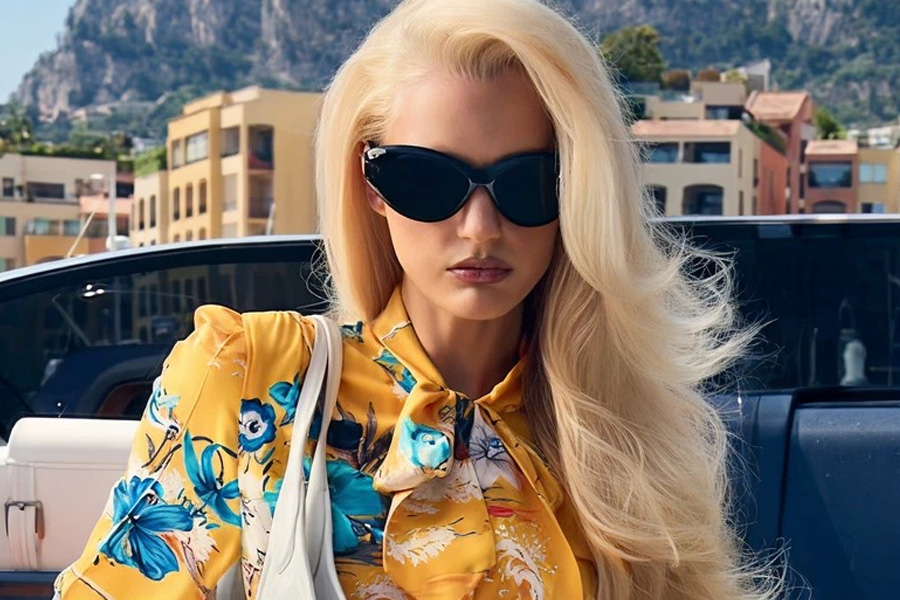
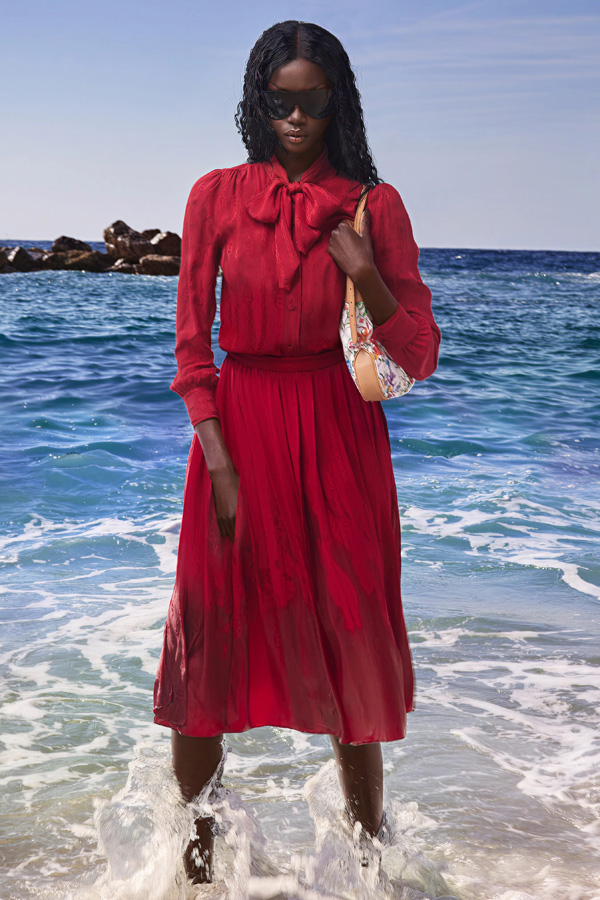
As Flora celebrates its 60th anniversary, Gucci has unveiled a dedicated capsule collection and a Riviera inspired campaign set against the glamorous backdrop of Monte Carlo. The celebration highlights how Luxury Fashion Brands continue to transform heritage into contemporary desirability while engaging a new generation of global luxury consumers.
For the 1%, heritage remains one of the most valuable assets a luxury house can possess.
The Power of Legacy in Luxury Fashion Brands
Created in 1966 by Italian illustrator Vittorio Accornero, the Flora motif was originally commissioned by Rodolfo Gucci and presented to Princess Grace of Monaco. The design featured an intricate composition of flowers, plants, and vibrant colors that immediately became part of luxury fashion history.
Today, six decades later, Flora continues to embody timeless elegance and artistic craftsmanship.
The enduring success of such symbols reflects a broader trend within the luxury industry. According to Bain and Altagamma, the personal luxury goods market continues to expand, supported by rising global wealth and growing demand for brands with authentic heritage.
For Ultra High Net Worth Individuals, legacy represents permanence, cultural significance, and emotional value. These qualities continue to influence purchasing decisions across the highest tiers of luxury consumption.
Monaco and the World of the 1%
The choice of Monte Carlo as the setting for Gucci’s latest campaign carries particular significance.
Monaco remains one of the world’s most concentrated hubs of private wealth, attracting entrepreneurs, investors, family offices, and Ultra High Net Worth Individuals from across the globe. The principality represents a lifestyle defined by exclusivity, elegance, and international sophistication.
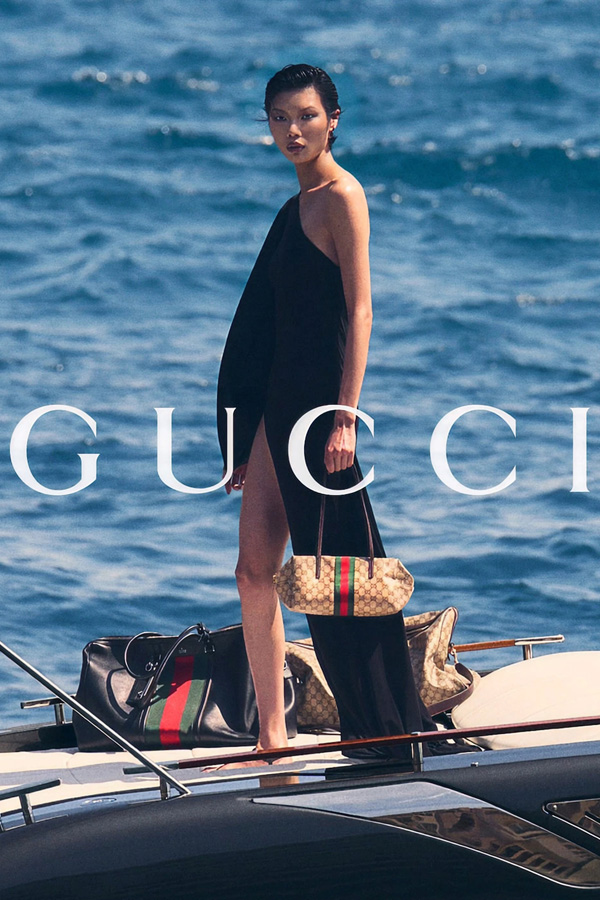
By returning Flora to the Riviera where its story first intersected with royalty, Gucci reinforces the emotional connection between heritage and aspiration.
Luxury Fashion Brands frequently draw inspiration from destinations associated with the global elite because these environments naturally align with the lifestyles of their most influential clients.
Fashion as Cultural Storytelling
The Flora anniversary campaign unfolds across beaches, yachts, coastal villas, and Mediterranean landscapes. Rather than focusing solely on products, the campaign creates a cinematic narrative centered around freedom, discovery, and elegance.
This approach reflects the evolution of Luxury Fashion Brands into cultural storytellers.
Modern luxury consumers seek experiences and narratives that resonate emotionally. Products remain important, but the stories surrounding them often create the deepest engagement.
Industry research indicates that more than 300 million new luxury consumers are expected to enter the global market within the next five years. As these audiences evolve, storytelling becomes increasingly important in establishing emotional relevance and long term brand loyalty.
Heritage Meets Modern Luxury
The Flora motif appears throughout ready to wear collections, accessories, and travel pieces featured in the Monte Carlo capsule.
Iconic handbags, monogram travel bags, and seasonal accessories showcase how archival elements can be reinterpreted for contemporary lifestyles while maintaining their original identity.
This balance between tradition and innovation defines many of the world’s most successful Luxury Fashion Brands.
For the 1%, heritage does not represent nostalgia. It represents continuity. Clients are drawn to maisons that preserve their identity while continuing to evolve through creativity and craftsmanship.
The Influence of Ultra High Net Worth Individuals
Global wealth intelligence reports continue to highlight the expanding influence of Ultra High Net Worth Individuals across the luxury sector. Individuals with more than $30 million in assets represent one of the most significant drivers of luxury spending globally.
Their preferences increasingly shape product development, retail experiences, hospitality offerings, and brand strategies.
Luxury Fashion Brands recognize that this audience values authenticity, rarity, craftsmanship, and cultural significance. Collections rooted in genuine heritage often resonate strongly because they offer a connection to a story that extends beyond seasonal trends.
Gucci’s Flora collection reflects these values perfectly.
Resort Luxury and Global Mobility
The Monte Carlo capsule will be available through Gucci boutiques worldwide as well as selected resort destinations including Saint Tropez, Capri, Porto Cervo, Ibiza, Mykonos, Cannes, and Formentera.
These destinations form part of the international lifestyle network frequented by Ultra High Net Worth Individuals. The luxury consumer of today moves seamlessly between global cities, private islands, yachting destinations, and exclusive resorts.
Luxury Fashion Brands increasingly align product launches and exclusive collections with these travel patterns, creating experiences that feel personal and geographically relevant.
The Future of Luxury Fashion Brands
The celebration of Flora’s 60th anniversary demonstrates how Luxury Fashion Brands continue to generate value through heritage, storytelling, and cultural relevance.
As the luxury industry evolves, the most influential maisons will continue to build upon their archives while creating new narratives for future generations of collectors and consumers.
For the 1%, luxury is not simply about ownership. It is about participating in a legacy that combines artistry, craftsmanship, and cultural meaning.
Gucci’s Flora collection illustrates the enduring power of this approach. Sixty years after its creation, the motif remains a symbol of elegance, creativity, and timeless desirability.
In an era shaped by global wealth expansion and increasing demand for authenticity, Luxury Fashion Brands that successfully transform heritage into contemporary aspiration will continue to define the future of luxury.
Share Now
LATEST
POPULAR