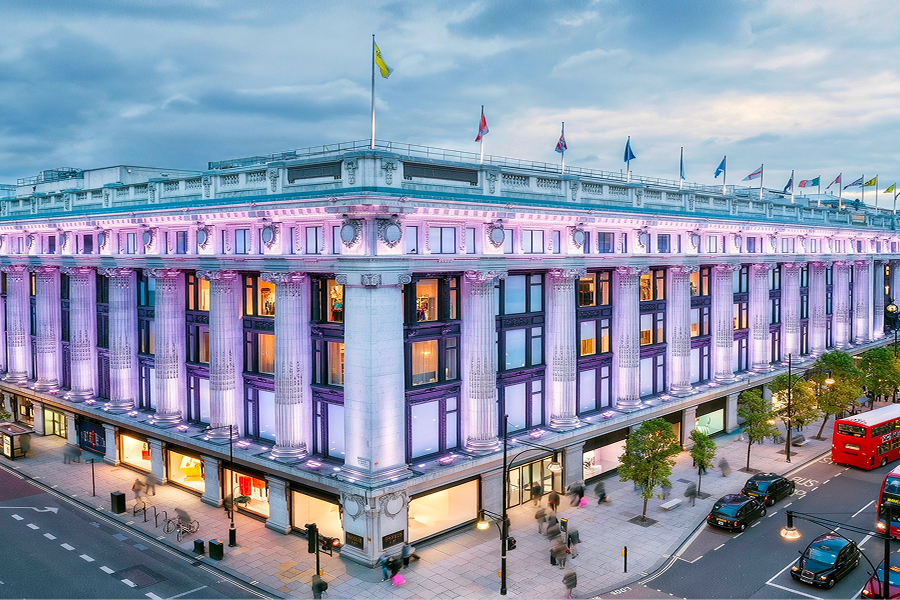


Harvey Nichols Enters a New Chapter as Luxury Fashion Brands Rethink the Department Store Experience
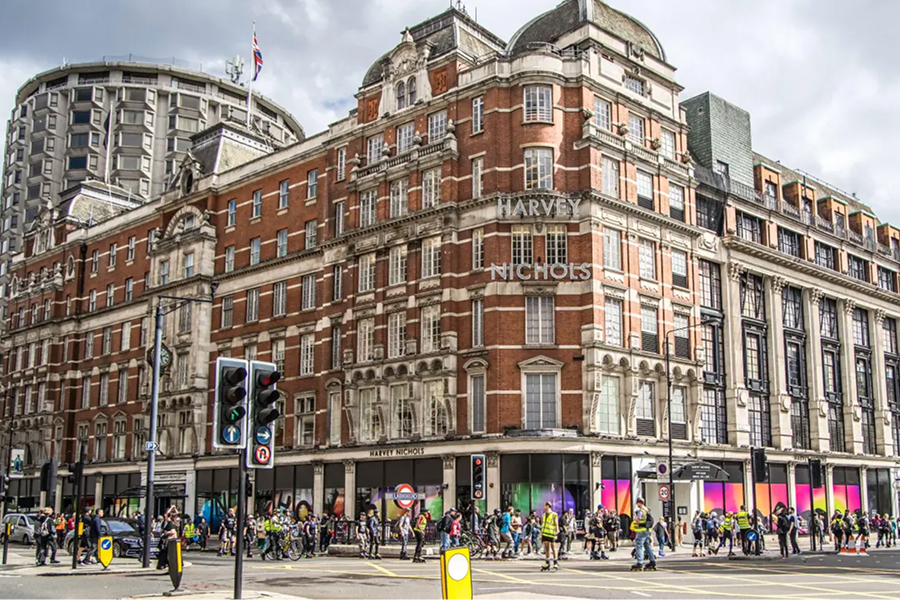
The deal hands Frasers Group control of Harvey Nichols’ landmark Knightsbridge flagship, its regional stores across the United Kingdom, its digital business, and a workforce of more than 1,000 people.
For the 1%, the meaning runs deeper than a simple change of ownership. Harvey Nichols holds a rare position at the crossroads of luxury fashion, international wealth, hospitality, beauty, and experiential retail. Under new stewardship, that position opens the door to reimagining what a modern luxury department store can be.
A Landmark in London's Luxury Landscape
Why the 1% Matters to the Future of Luxury Retail
From Customer Acquisition to Client Relationships
Luxury retail is also shifting toward a relationship-driven model.
BCG and Altagamma expect one-time buyers to make up roughly 40 percent of the luxury customer base in the years ahead, placing greater weight on retention, clienteling, personalization, and long-term engagement.
For Harvey Nichols, this shift creates a chance to sharpen its role as a curator of luxury fashion brands while enriching the services that surround them.
Private shopping suites, dedicated advisors, exclusive product launches, designer appearances, invitation-only dinners, beauty consultations, cultural programming, and bespoke experiences can turn the department store relationship into something profoundly personal.
For the 1%, convenience carries the most value when it arrives with discretion, expertise, and access.
Frasers Group Builds Its Position in Luxury
Harvey Nichols now joins a growing collection of luxury interests tied to Frasers Group.
Through Flannels and investments involving names such as Burberry, Mulberry, and Hugo Boss, the group has built meaningful exposure to the premium and luxury fashion landscape.
Harvey Nichols adds another dimension through its heritage, physical presence, international recognition, and multi-brand positioning.
The opportunity lies in blending the cultural equity of Harvey Nichols with investment in retail technology, client intelligence, hospitality, digital commerce, and personalized service.
Luxury fashion brands increasingly seek retail partners who can express their identity with precision, while giving clients a compelling reason to spend time inside physical stores.
The Luxury Department Store as a Cultural Destination
The department store model has always felt most powerful when it creates a genuine sense of discovery.
Harvey Nichols has earned decades of cultural relevance through fashion, beauty, restaurants, emerging designers, established maisons, and memorable collaborations. Its relationship with Fenty Beauty, including an exclusive United Kingdom launch partnership, showed the potential of pairing cultural momentum with destination retail.
The next generation of luxury department stores can stretch this idea much further.
Fashion can live alongside art exhibitions, gastronomy, wellness, private events, collectible design, technology, and highly personalized services.
This broader ecosystem sits naturally with Ultra High Net Worth Individuals, whose luxury consumption increasingly crosses traditional category lines.
Experiences Become a Larger Part of Luxury
BCG and Altagamma research points toward another important shift. Traditional personal luxury categories are expected to make up around 60 percent of the industry’s revenue mix in the future, reflecting rising consumer interest in lifestyle, wellbeing, longevity, travel, and experiences.
This evolution gives department stores a distinct opening.
Unlike a single-brand boutique, a destination such as Harvey Nichols can curate many dimensions of contemporary luxury within one space.
Luxury fashion brands can become part of a wider cultural journey that weaves through beauty, dining, wellness, entertainment, and exclusive access.
For the 1%, the value of such a destination flows from the quality of its curation and the relevance of the experience.
AI Could Transform Luxury Clienteling
Technology will play an ever-larger role as well.
The 2026 BCG and Altagamma research found that almost nine in ten luxury consumers use generative AI tools weekly, while 79 percent of AI users already turn to the technology to discover premium products and experiences.
For luxury retailers, this creates a chance to pair human expertise with intelligent personalization.
A private client advisor, supported by sophisticated technology, could understand preferred designers, sizing, purchase history, travel schedules, upcoming events, and product interests, shaping a deeply intuitive service around each individual.
For luxury fashion brands, technology becomes most valuable when it strengthens the human relationship that sits at the heart of luxury.
Knightsbridge and the Geography of Global Wealth
Harvey Nichols also enjoys a remarkable geographic advantage.
Knightsbridge sits within one of London’s most internationally recognized concentrations of wealth, luxury hospitality, premium residences, private banking, and designer retail.
The location connects Harvey Nichols, quite naturally, with a global audience of affluent residents and international visitors.
BCG and Altagamma expect domestic luxury purchasing to grow in importance through 2029, giving prestigious local destinations greater strategic weight.
For Harvey Nichols, this opens the possibility of becoming an essential luxury address for clients who consider London part of their international lifestyle.
A New Opportunity for Harvey Nichols
The acquisition gives Harvey Nichols the chance to redefine its place within contemporary luxury culture.
Its heritage offers recognition. Knightsbridge offers an exceptional address. Its multi-brand model offers access to some of the world’s most influential luxury fashion brands. Its beauty, fashion, digital, and hospitality capabilities offer the foundations for a broader luxury ecosystem.
The opportunity now lies in transforming these assets into deeper relationships with the clients shaping the industry’s future.
For the 1%, the most compelling department store of tomorrow will feel increasingly like a private members’ world, built around discovery, service, culture, and access.
Harvey Nichols now holds the opportunity to write that next chapter, placing the historic British name within a luxury landscape shaped ever more by personalization, experience, technology, and the extraordinary purchasing influence of the world’s wealthiest consumers.
Share Now
LATEST
POPULAR