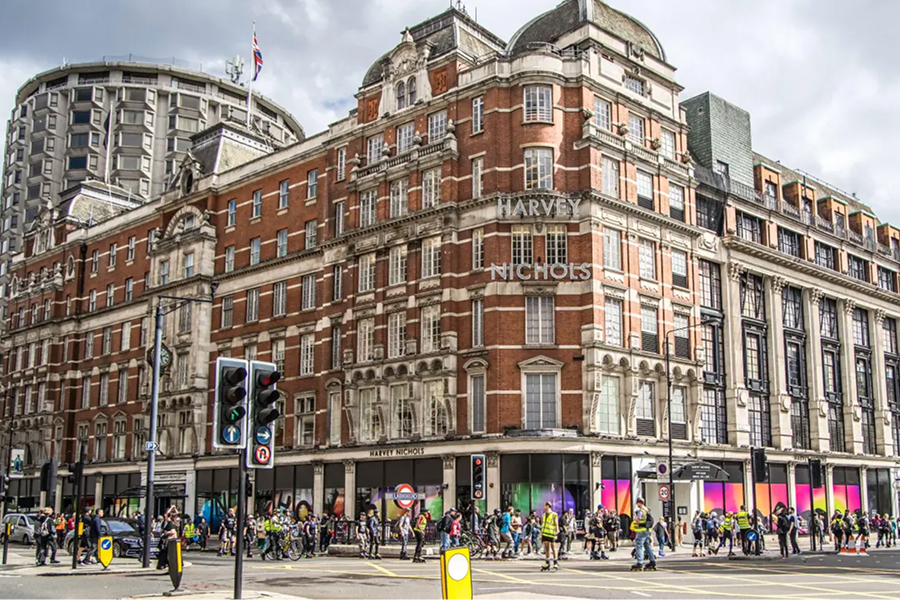


Selfridges Reports 88% Profit Growth as Luxury Fashion Brands Benefit From the Power of Destination Retail
Some places are visited for what they sell. Others are visited for what they make you feel. Selfridges has long belonged to the second kind, and its latest results suggest that this distinction carries real financial weight.
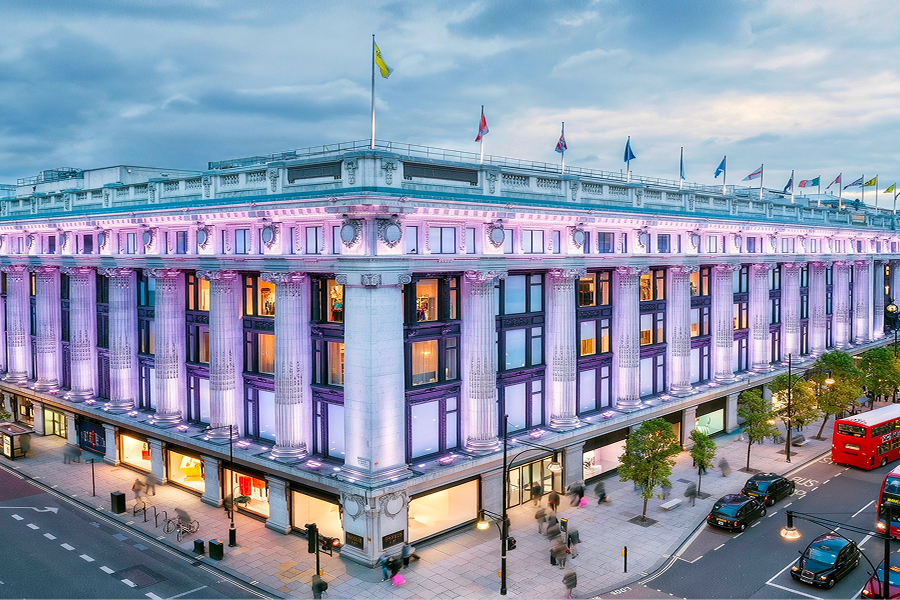
For the 52 weeks ending January 3, 2026, the British luxury department store posted an 88% rise in operating profit to £79.7 million. Revenue climbed alongside it, and more visitors walked through the doors of its four UK stores. It is a quiet but compelling reminder that destination retail still holds a central place in the global luxury economy.
Revenue reached £830.8 million, up 7% for the period, while pre-tax profit came in at £13 million. Behind the numbers lies a more interesting story about how luxury fashion brands can flourish in spaces where fashion, beauty, jewelry, hospitality, and culture meet under one roof, serving an international clientele whose tastes grow ever more refined.
For the 1%, a department store like Selfridges offers far more than a well-stocked floor. Its value now rests in curation, service, discovery, and the rare pleasure of moving between many luxury worlds in a single afternoon. For globally mobile Ultra High Net Worth Individuals, these qualities remain deeply prized.
Selfridges Operating Profit Reaches £79.7 Million
Operating profit rose 88% to £79.7 million over the 52 weeks to January 3, 2026. Healthier margins and careful cost control shaped the result, and pre-tax profit for the year stood at £13 million.
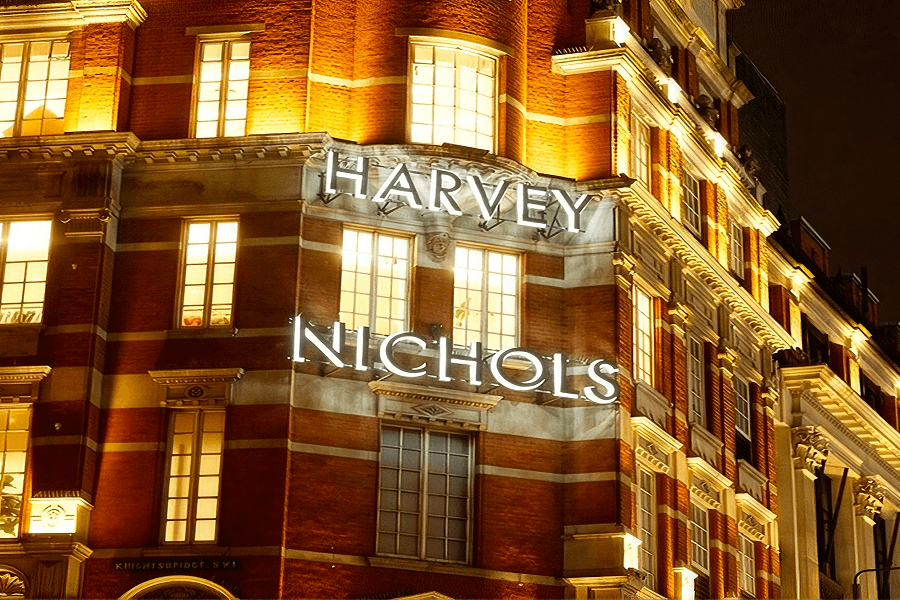
Revenue grew 7% to £830.8 million, lifted by stronger footfall across the physical estate. Selfridges operates four UK stores:
The landmark Oxford Street flagship in London
Birmingham
Manchester Trafford
Manchester Exchange Square
It is worth noting that this reporting period ran for 52 weeks, compared with 48 weeks the year before. That longer calendar adds context to the revenue figures. Even so, the strength of in-store traffic sends a meaningful signal to luxury fashion brands weighing the evolving role of department stores in how they reach clients.
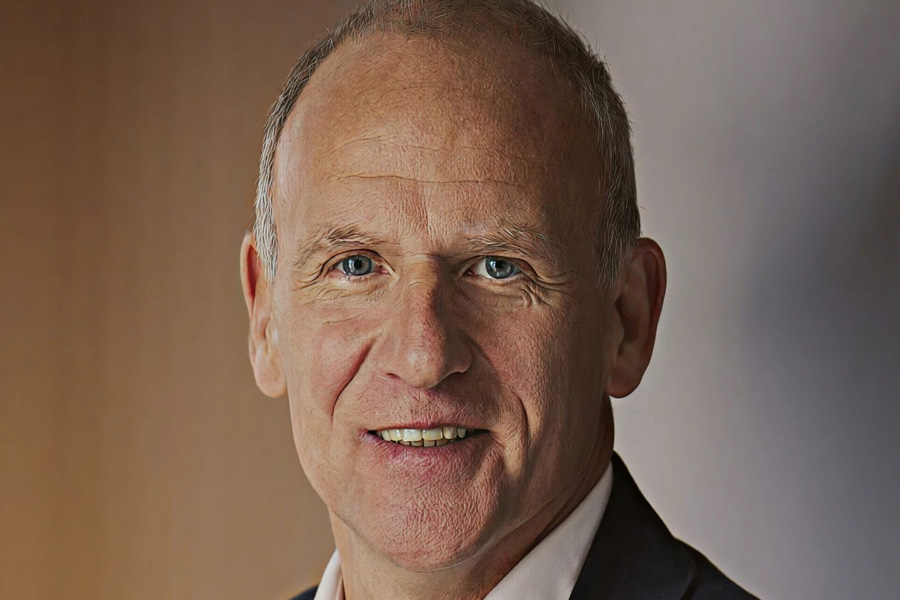
Selfridges CEO André Maeder credited the improvement to the retailer’s performance in a challenging economic climate. His remarks also turned attention toward the role international luxury consumers could play in British retail.
Physical Luxury Retail Continues to Attract Clients
Perhaps the most striking thread in these results is the performance of the stores themselves. Rising footfall supported revenue growth and confirmed the lasting pull of destination retail for luxury consumers.
For luxury fashion brands, a department store offers far more than a point of sale. It becomes a curated setting where clients can discover new collections, meet emerging designers, explore beauty and accessories, and drift naturally from one category to the next within a single visit.
This matters especially to UHNW clients, whose relationship with luxury rarely stays within one category. Fashion lives alongside watches, jewelry, beauty, art, hospitality, and travel. Together, they form a way of living rather than a string of separate purchases.
The finest department stores can therefore become cultural and social destinations in their own right. Striking architecture, fine restaurants, events, installations, private shopping, and gifted client advisors can turn an afternoon of retail into an experience worth a client’s most precious resource: their time.
Luxury Fashion Brands Benefit From the Power of Curation
When nearly everything is within reach, choosing well becomes its own form of luxury. The 1% can access virtually every major maison in the world, which makes relevance and discovery all the more valuable.
Selfridges has built much of its identity on placing established luxury fashion brands beside emerging designers, beauty, accessories, and cultural experiences. Clients can return to the houses they know and love while encountering fresh creative voices in the same space.
Research from BCG and Altagamma underlines how much product substance matters to today’s luxury consumers. Execution quality, design, and timelessness remain central to purchasing decisions. Visible logos, by contrast, rank among the least important factors across the luxury categories studied.
This opens a meaningful role for retailers: to become trusted editors of the luxury landscape. A thoughtfully composed assortment helps discerning clients navigate a crowded fashion market, introducing pieces chosen for their creativity, craftsmanship, and relevance.
The 1% Represents $290 Billion in Luxury Spending
The value of attracting wealthy international clients becomes clear when you look at how concentrated spending is within the global luxury economy.
According to Altrata’s World Ultra Wealth Report 2025, there were roughly 510,810 Ultra High Net Worth Individuals worldwide in the first half of 2025. Defined as those with a net worth above $30 million, this group held around $59.8 trillion in combined wealth.
UHNW individuals make up only about 1.1% of the global high net worth population, yet they control roughly 32.4% of its total wealth. This remarkable concentration gives the 1% considerable influence across luxury fashion, hospitality, private aviation, real estate, art, and other premium sectors.
Their role in luxury spending is just as significant. Altrata estimates that UHNW individuals account for about $290 billion in luxury goods and services, or around 21% of individual luxury spending worldwide.
For Selfridges and the luxury fashion brands within its walls, drawing this small but exceptionally valuable community can matter far more than total visitor counts alone.
Top Luxury Consumers Spend Around €420,000 Annually
At the very peak of the market, spending grows more concentrated still. BCG and Altagamma identify a top-tier segment that spends more than €50,000 a year on luxury goods and services. Within this group, average annual spending reaches about €420,000.
From 2015 to 2025, this segment grew by around 8% a year on average. Over the same period, its share of luxury revenues rose from about 14% to 24%. These figures explain why luxury fashion brands and leading retailers are investing so deeply in relationships with their most valued clients.
For a department store, the opportunity spans every floor. A client who comes for fashion may also explore jewelry, watches, beauty, accessories, and hospitality, allowing the relationship to unfold across a far broader luxury world.
Private shopping suites, personalized sourcing, and dedicated client advisors can deepen that bond further. The department store becomes a trusted destination that understands one client’s preferences intimately, rather than simply offering access to products.
International Visitors Matter to British Luxury
The results have also revived debate around tax-free shopping for international visitors. André Maeder has called for the scheme to be restored, arguing that it could support retail activity and broader economic growth across the UK.
International visitors are a particularly valuable audience for luxury retail, because shopping often forms one chapter of a larger, high-value journey. Hotels, restaurants, galleries, cultural institutions, and private transport all share in the activity that affluent travelers bring.
London holds a special place in this ecosystem. Its blend of luxury fashion brands, jewelry houses, five-star hotels, art institutions, and world-famous retail destinations creates a rich, concentrated setting for global luxury spending.
Yet for the 1%, loyalty to any single city is never guaranteed. London competes for luxury spending within a global itinerary that may also include Paris, Milan, New York, Miami, Dubai, Singapore, and other great centers of wealth and culture.
The Global UHNW Population Is Heading Toward 677,000
The international audience for luxury retailers continues to grow. Altrata forecasts that the global UHNW population could reach about 676,970 by 2030, an increase of roughly 31% from the first half of 2025.
That would add around 166,160 new UHNW individuals to the world’s wealth landscape in just five years. North America is expected to remain the largest region for ultra wealth, while Asia is poised for especially strong growth.
For luxury fashion brands and retailers like Selfridges, the opportunity is increasingly global. Tomorrow’s luxury client may live in one country, keep homes in several others, and divide their time among the world’s financial, cultural, and leisure capitals.
Destination retailers can become part of these lives by nurturing relationships that last well beyond a single visit. Personal clienteling, digital communication, and international delivery can turn one afternoon in London into an enduring connection, wherever the client’s travels lead.
Digital and Physical Luxury Serve Different Moments
Selfridges saw stronger store footfall during the year, alongside softer digital sales. Rather than setting these channels against each other, the results reveal the distinct roles each can play in modern luxury.
Digital platforms bring convenience, access, and continuity. Stores offer something harder to replicate: the texture of a fabric beneath the fingertips, the warmth of human connection, the thrill of discovery. For sophisticated clients, both can form part of one seamless journey.
A client might first discover a luxury fashion brand online before visiting a boutique in person. Or they might encounter a collection in store and continue the relationship digitally. The real value lies in letting these moments complement one another with ease.
For the 1%, personal service becomes the thread that ties these worlds together. A trusted advisor can sustain the relationship between visits, offering access to new collections, private previews, and pieces chosen with the client’s tastes in mind.
Personal Relationships Create Long Term Luxury Value
UHNW clienteling carries unusual power because the world’s wealthiest people tend to move within tightly connected circles. Altrata estimates that a typical UHNW individual has direct relationships with more than 70 other UHNW individuals.
These ties run through business, investment, philanthropy, and social life, forming influential communities where a personal recommendation can carry great weight. One exceptional experience, delivered to one client, can ripple outward across an entire network.
For luxury fashion brands and department stores, service thus becomes a lasting form of brand building. Recognition, discretion, expertise, and consistency can inspire loyalty among clients whose spending power is considerable and whose circles include other highly valued patrons.
Selfridges has an opportunity to strengthen this dimension through its physical destinations. The bond between client and advisor can transform an iconic department store into something more intimate: a personal luxury resource.
Selfridges Sits Within a Powerful Global Ownership Structure
Selfridges is owned by two major international investors. Thailand’s Central Group holds 60%, while Saudi Arabia’s Public Investment Fund holds the remaining 40%.
This structure links one of Britain’s most celebrated luxury retailers with capital from two regions of growing importance to the global luxury economy. Southeast Asia continues to share in the rise of luxury consumption, while the Middle East has become a major center for UHNW wealth, tourism, and luxury investment.
For Selfridges, this global outlook mirrors the nature of its clientele. The Oxford Street flagship may stand in London, but the people crossing its threshold increasingly belong to a connected international luxury community.
Luxury fashion brands within the store benefit from exactly this diversity, reaching domestic clients alongside affluent visitors from both established and emerging markets.
The Future of Luxury Fashion Brands Remains Experiential
Selfridges’ performance offers fresh evidence that physical luxury retail remains highly relevant when it gives people a compelling reason to come through the door. An 88% rise in operating profit to £79.7 million, £830.8 million in revenue, and stronger store footfall place the in-person experience firmly at the heart of the conversation about luxury’s future.
For the 1%, the appeal of a destination like Selfridges lies increasingly in the union of access, curation, service, and culture. The products remain essential, but it is the world around them that invites discovery and cultivates relationships capable of lasting for years.
As the global UHNW population approaches roughly 677,000 and the highest-spending clients claim an ever-larger share of industry revenue, luxury fashion brands have every reason to invest in experiences shaped around this audience.
Selfridges shows how the department store can keep evolving within this landscape. Through iconic destinations, discerning curation, and deeply personal service, luxury retail can remain a graceful meeting place between the world’s leading luxury fashion brands and the global 1%.
Share Now
LATEST
POPULAR